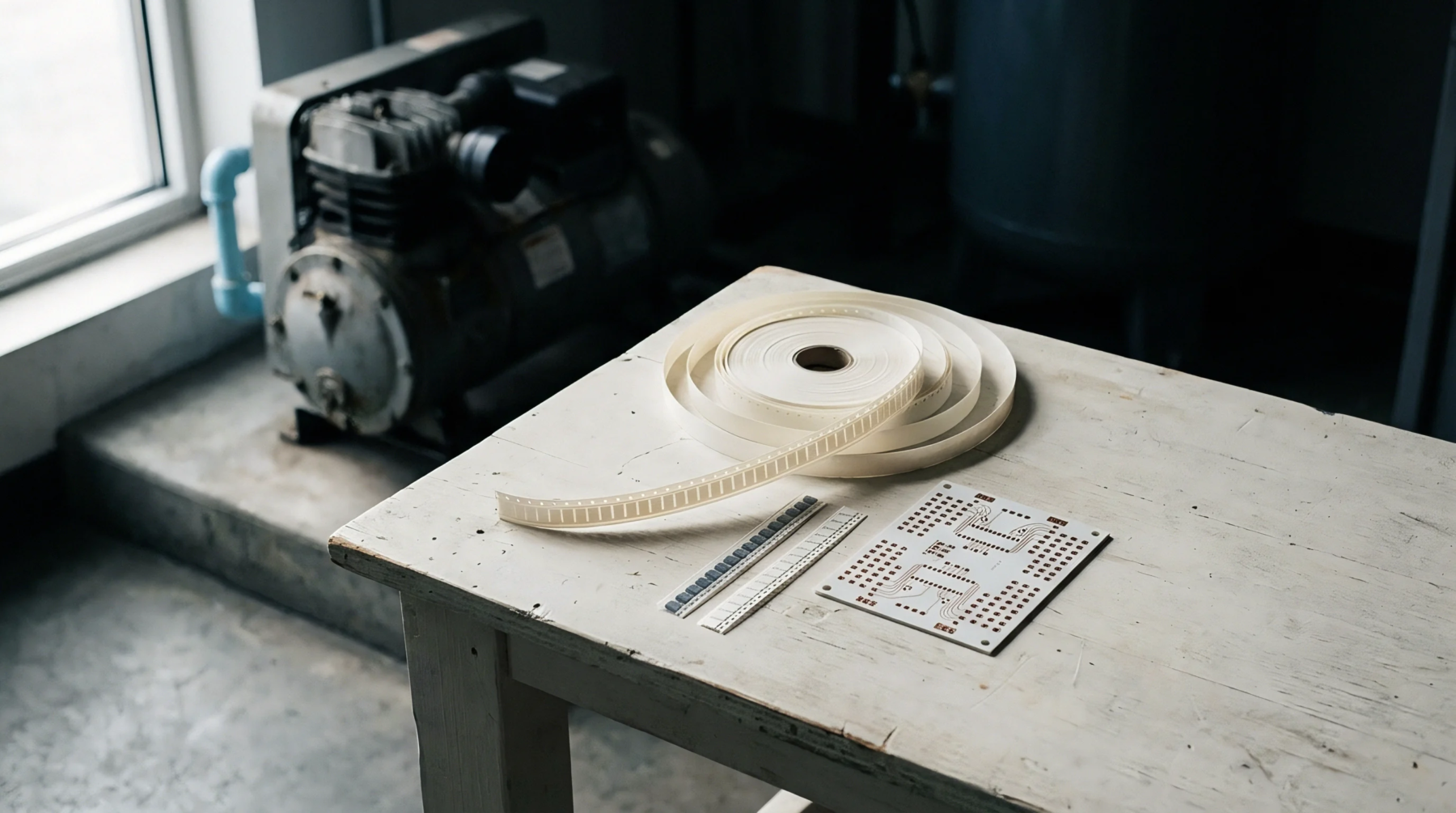
Moisture Control
Controlled environment systems house moisture-sensitive components in low-humidity atmospheres to prevent delamination during subsequent thermal processing. A dry air cabinet regulates internal humidity levels by employing desiccants or molecular sieve technology to pull water vapor from the stagnant air volume. Nitrogen purging mechanisms additionally displace ambient oxygen within these chambers to minimize oxidation on metallic leads.
Maintaining specific relative humidity thresholds protects stored parts from moisture-induced degradation, which acts as a primary failure mode for semiconductor packages and delicate electronic substrates.
Storage Parameters
Fabrication facilities depend upon these enclosures to preserve component integrity between high-temperature solder reflow cycles. Internal sensors monitor the vapor pressure within the cabinet continuously, providing data to automate the regeneration of drying elements. Precise regulation of internal conditions ensures that materials stay below the critical moisture content limits defined by standard industry handling protocols.
Each cabinet provides a buffer for shop floor inventory to remain within safe limits throughout the assembly schedule.
Performance Boundaries
Capacity limits dictate the physical volume and retrieval frequency that a single unit sustains before humidity spikes occur. Effective operation relies upon airtight seals and low-permeability materials to minimize leakage from the surrounding production floor. Heavy reliance on manual intervention or poor door discipline compromises the protective atmosphere, forcing the recovery system to compensate for sudden ambient air ingress.
Proper management of these systems prevents latent defects that remain hidden until functional testing.