Contact Mechanics
Low-level electrical testing evaluates contact resistance without puncturing surface oxide films or contaminating layers on metallic interfaces. Dry circuit testing applies strictly controlled open-circuit voltage and short-circuit current limits to prevent electrical breakdown of microscopic insulating barriers during evaluation. Open-circuit voltage remains below twenty millivolts while short-circuit current stays under one hundred milliamperes to avoid thermal or electrical alteration of contact points.
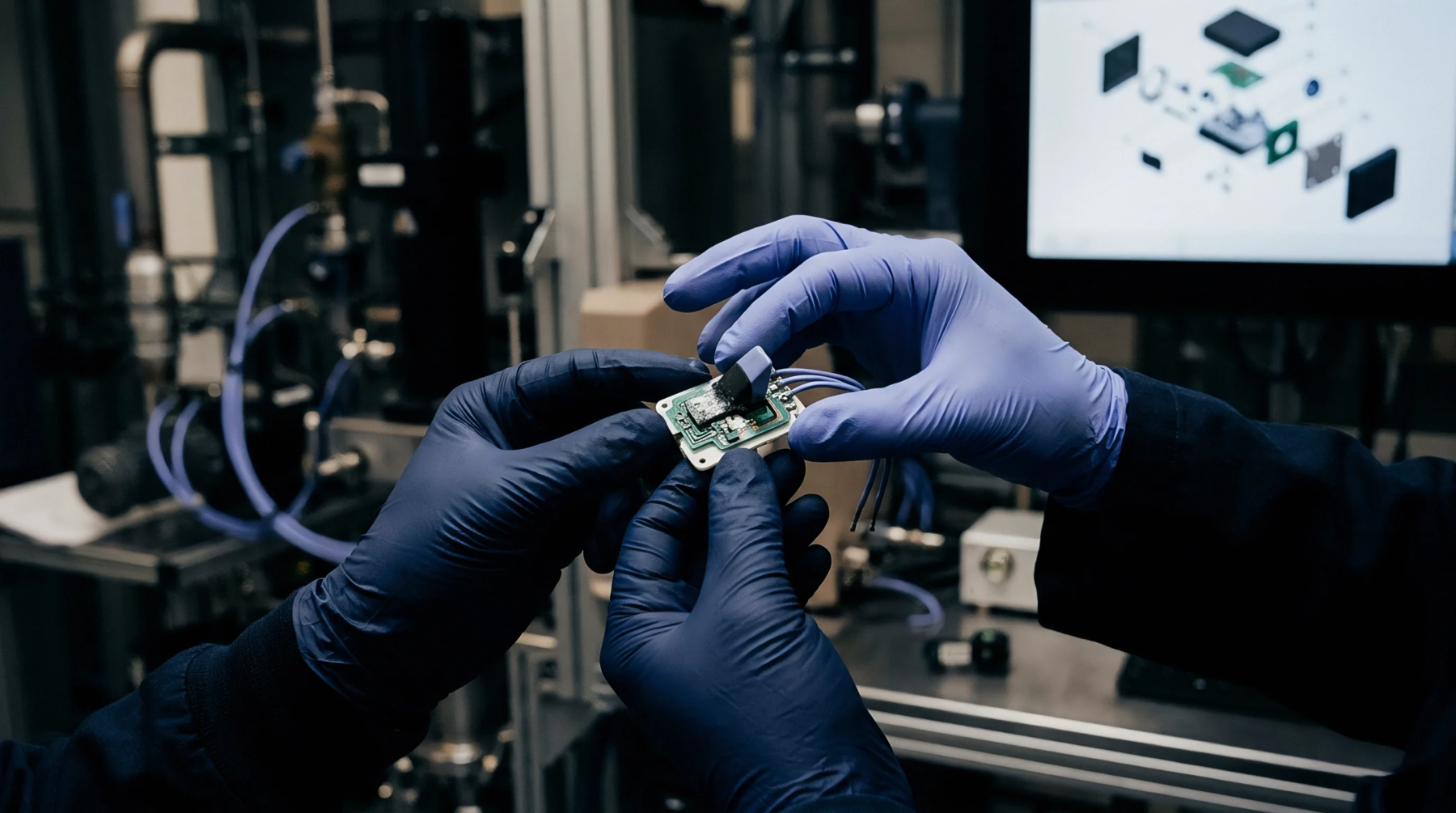
Connectors and switch contacts processed on printed circuit board assembly lines undergo this verification to detect marginal mating conditions before field deployment. Contamination and mechanical wear introduce microscopic resistance spikes that standard functional power tests fail to register.
Oxide Breakdown
Surface oxidation and tarnish films present high resistance barriers that normal operational voltages penetrate easily during standard functional checks. Low-energy probing fails to clear these insulating layers, exposing underlying contact defects that would otherwise remain hidden under high-voltage testing. Evaluating contact interfaces without thermal or electrical disruption reveals true mechanical integrity and plating thickness variations on finished assemblies.
Excessive mechanical force or high electrical potential masks poor plating porosity by burning through micro-voids during initial power application.
Contact Verification
Automated test equipment measures millivolt drops across mated pins and switch wipers to confirm stable metallic contact without altering the microscopic interface. Production lines apply this low-energy method to detect defective plating, particulate contamination, and insufficient normal force on newly soldered components. Stable low-resistance readings confirm proper surface preparation and plating durability across repetitive insertion cycles in completed electronic hardware.