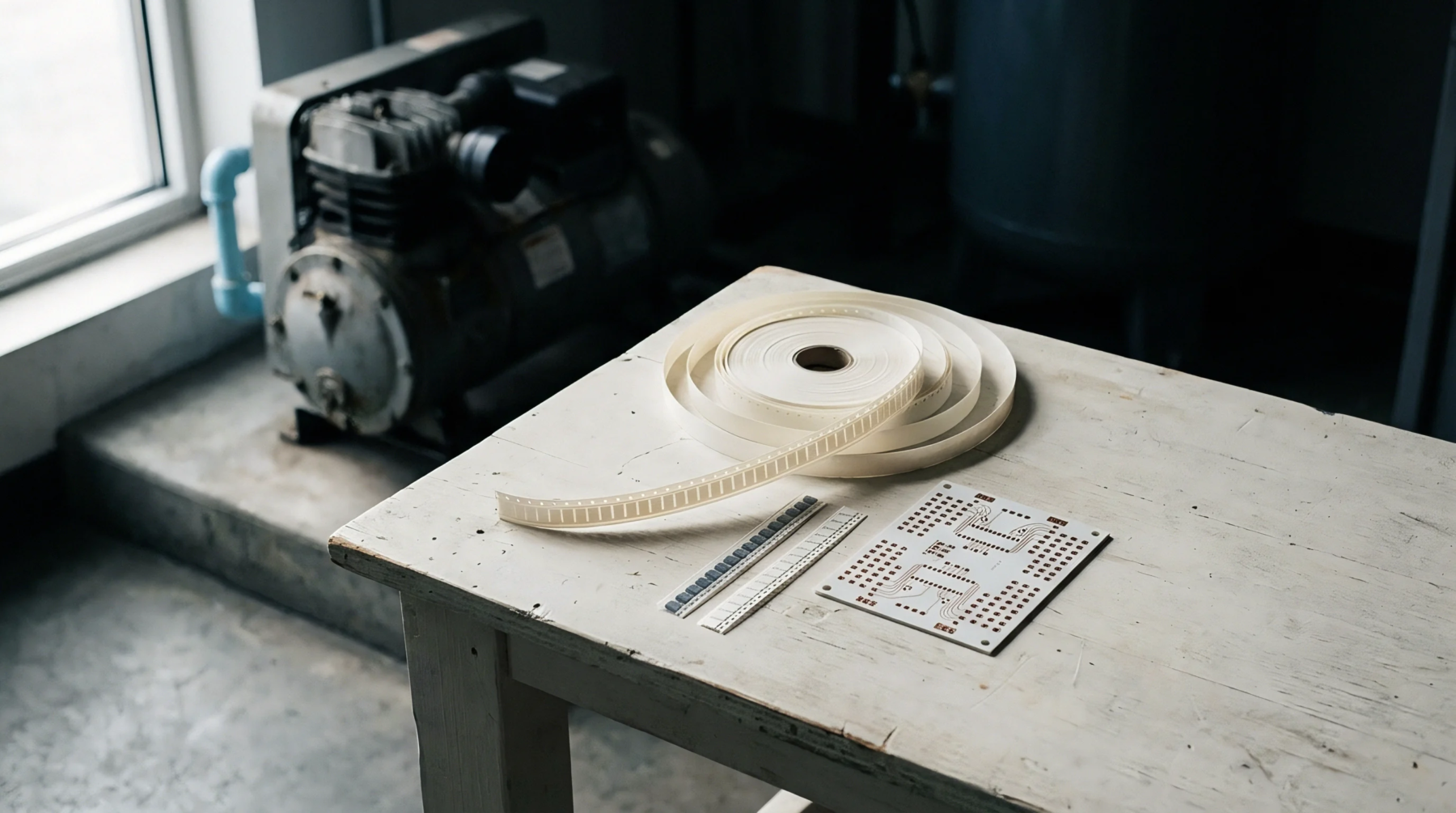
Dielectric Substrate
Calcium aluminoborosilicate glass cloth coated in a B-stage epoxy resin system forms the foundation of this electronic material. E-glass prepreg provides the insulation and structural integrity for multilayer printed circuit boards during the lamination cycle. Manufacturers supply this material in sheets where the resin remains in a partially cured state to permit controlled flow under heat and pressure.
Precise thickness and resin content control ensures the final board achieves its design impedance and dielectric constant.
Resin Kinetics
Chemical reaction rates inside the material determine the lamination parameters for the assembly house. Thermal energy triggers the polymerization process which converts the semi-solid resin into a rigid cross-linked matrix. High performance grades include multifunctional resins to improve glass transition temperature and prevent delamination during subsequent reflow soldering.
Moisture absorption and storage conditions dictate the shelf life of the material before production. Operators verify the flow index to predict how the resin fills the copper foil features without creating voids.
Lamination Parameters
Mechanical pressure applied during the bonding cycle forces the resin to encapsulate the internal circuitry while displacing trapped air. Uniform consolidation remains necessary to prevent registration shifts or local resin rich areas that affect signal integrity. Heat ramps and soak times define the curing profile for specific board counts and copper weights.
Inadequate bonding leads to catastrophic failure modes such as blistering or internal shorts under thermal stress. The structural consistency of the material limits the degree of warping in the finished panel.