Dielectric Breakdown
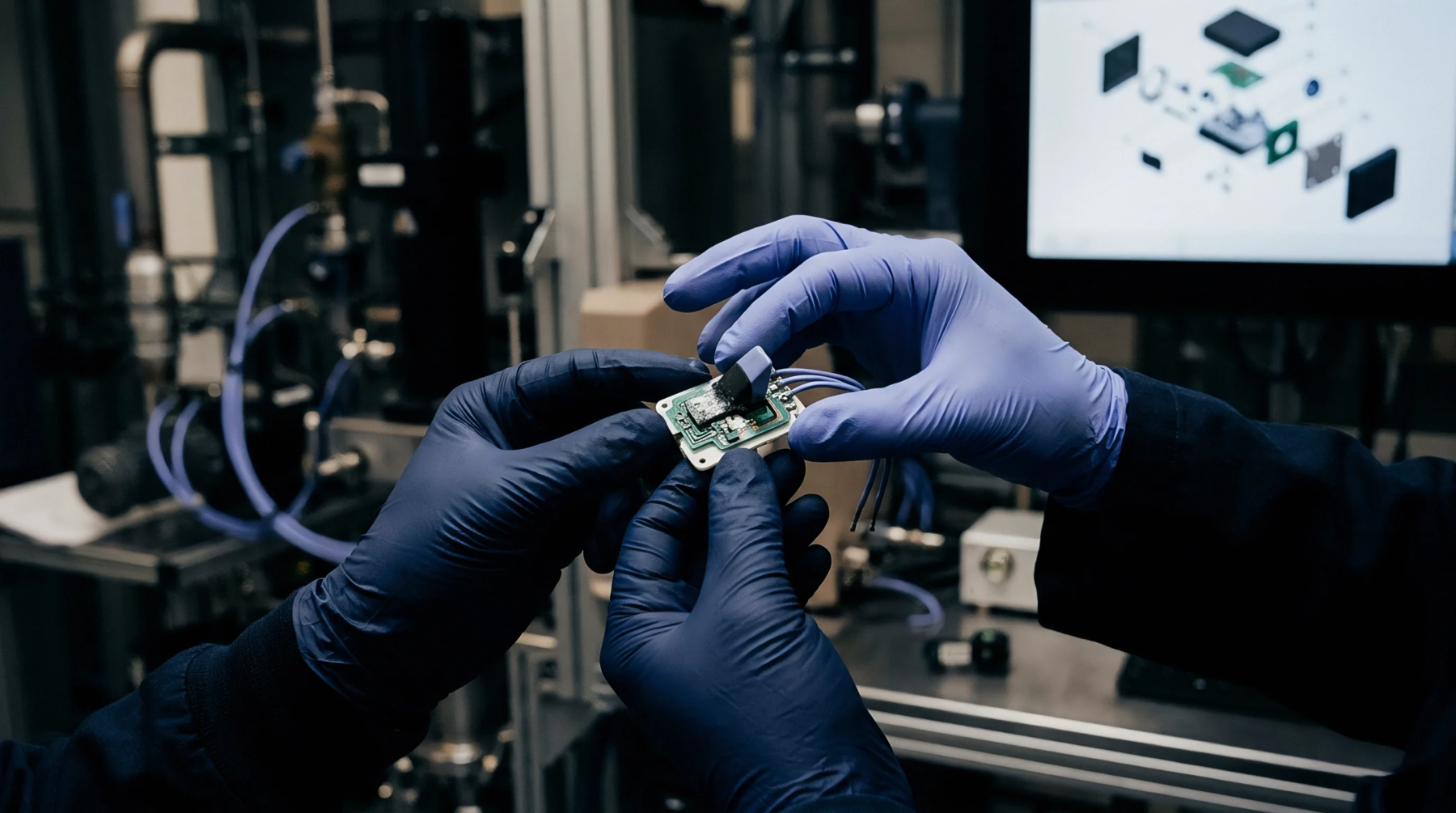
Physical threshold values define the minimum electrical potential required to puncture a thin insulating or semiconducting film on a metallic contact surface and establish electrical conduction. This phenomenon occurs at the fritting voltage, where the high electric field across an oxide or contamination layer causes localized dielectric breakdown and the formation of a microscopic conductive path. The measurement defines the boundary where passive surface films transition from insulating to conducting under electrical stress.
Conduction Development
When two metal surfaces are held together, microscopic irregularities are covered by thin films of native oxides, organic residues, or corrosion products. If the applied potential is low, these films act as barriers that prevent the flow of electrical current. As the voltage is increased to a specific level, the electrostatic force pulls metal ions into the barrier, creating a metallic bridge through the film.
This process reduces the contact resistance from megohms to milliohms in a fraction of a microsecond. The metal bridge remains stable after the voltage is removed, unless it is disrupted by mechanical shock or a high current pulse.
Measurement Precaution
Controlling the voltage during dry-circuit testing is essential to prevent this breakdown, which would otherwise mask the presence of high-resistance contamination on the contacts. Test instruments must limit the open-circuit voltage to twenty millivolts or less to avoid accidental fritting of the junction.