Golden Board Validation
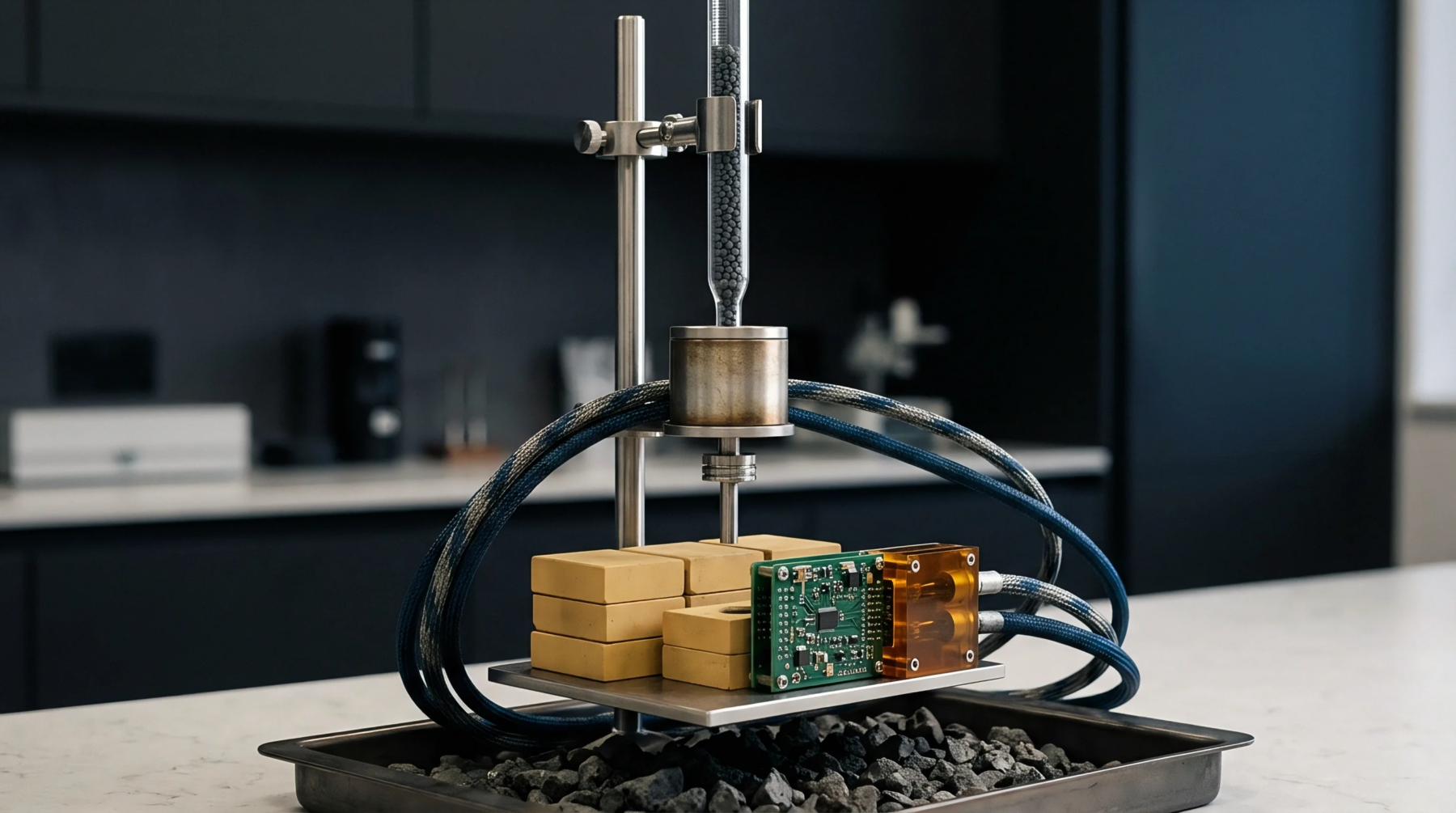
Golden board validation is a pre-production testing procedure that verifies a newly compiled printed circuit board assembly against a known functional physical standard before full manufacturing runs begin. Golden board validation confirms that signal propagation paths, component placement accuracy, and solder joint integrity match the physical master template without electrical or mechanical anomalies. Fabrication errors like trace shorts or improper copper weight are isolated during this phase before mass production multiplies the yield loss.
Assembly defects such as tombstoning or bridge formation surface immediately when the physical prototype undergoes functional testing against the master. Technicians compare the test unit against the golden reference sample using automated optical inspection equipment and boundary scan testing to expose deviations in capacitance or resistance. Signal timing delays often appear during high speed testing because trace impedance shifts slightly between different laminate batches.
Temperature testing chambers expose thermal expansion mismatches between the substrate and large ball grid array packages during early prototyping cycles.
Master Verification
Master verification establishes the baseline electrical characteristics by recording reference measurements from the golden sample under controlled laboratory conditions. Engineers measure parasitic inductance and capacitance across high frequency traces to create an acceptable tolerance band for subsequent production units. Component suppliers occasionally substitute integrated circuits with functionally equivalent parts that introduce subtle timing variations during high frequency operation.
Tolerances must accommodate normal component variance while rejecting counterfeit or out-of-spec silicon that could compromise field reliability.
Production Threshold
Production threshold defines the exact boundary where prototype validation transitions into active assembly line manufacturing. Operators halt the assembly line immediately if consecutive test failures exceed the predetermined defect limit for the active batch. Rework stations correct minor placement errors on the validation unit before authorizing the next fabrication run.
Long term reliability depends entirely on maintaining strict calibration standards for the test fixtures used throughout the production lifecycle.