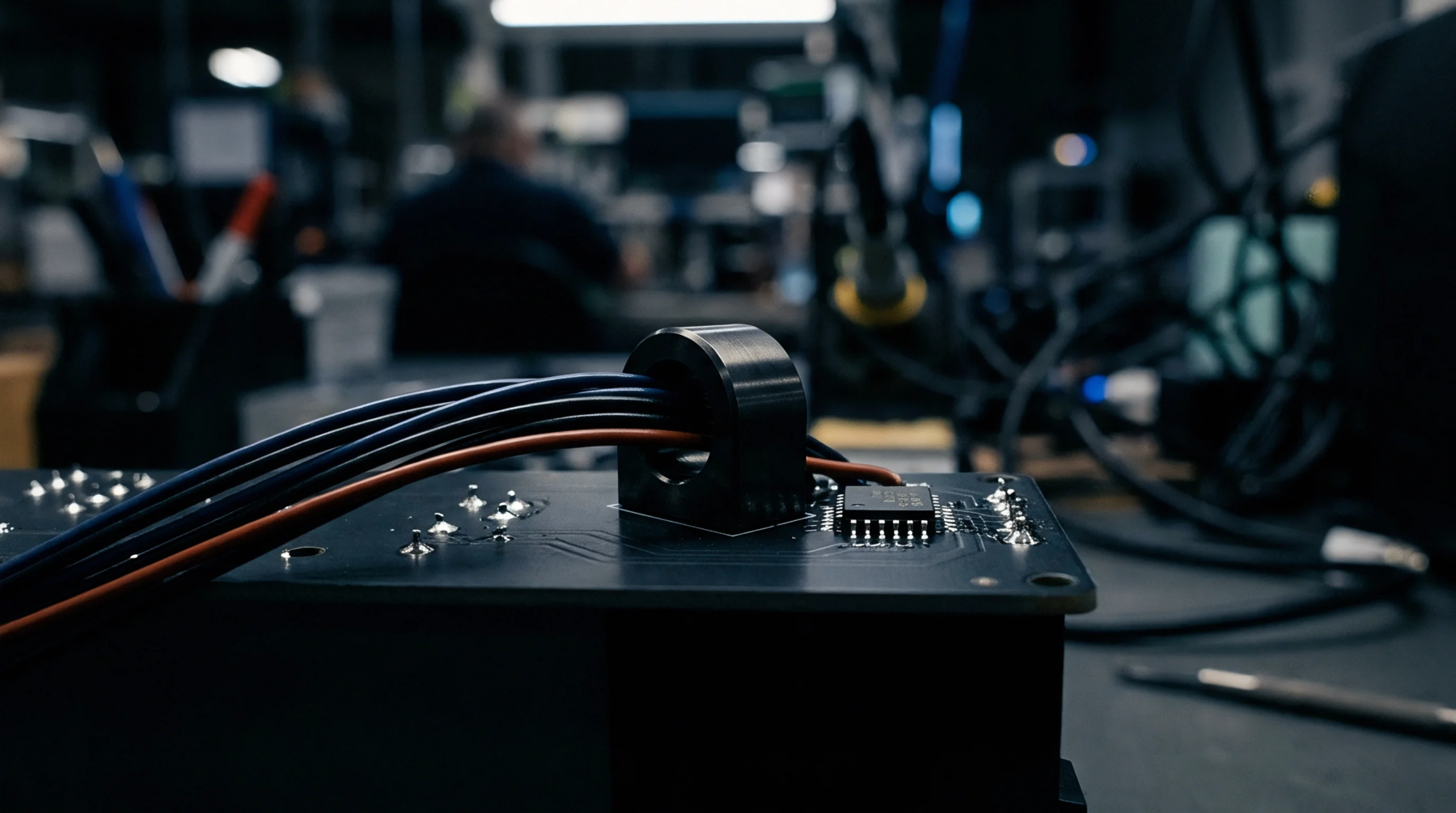
Thermal Capacity
High thermal mass describes a structural characteristic of heavy substrates that absorb and retain substantial heat energy during circuit board preheating stages. Component placement lines rely on this property to stabilize local temperatures when denser multi layer assemblies pass through reflow ovens. Heavy copper planes and ceramic carriers act as heat sinks that delay solder joint reflow compared to lighter substrates nearby.
Reflow Variance
Temperature profiling during surface mount assembly must account for uneven heat absorption across components with contrasting mass profiles. Convective heat transfer rates inside the oven often fail to penetrate heavy regions uniformly, leaving large integrated circuits below required liquidus thresholds while smaller resistors overheat. Pre-heat soak zones extend duration parameters to eliminate delta values between lighter traces and high thermal mass domains.
Process Limit
Excessive heat retention prevents adequate cooling rates during the transition from reflow to the cooling zone, leading to intermetallic growth defects and grain structure enlargement in joint formations. Assembly facilities establish strict threshold limits on board construction asymmetry to prevent localized warpage induced by thermal expansion mismatches between heavy planes and standard FR4 dielectrics. Advanced profile optimization prevents cold solder joints adjacent to heavy grounding planes by directing targeted infrared radiation specifically where high thermal mass restricts standard convective heating.