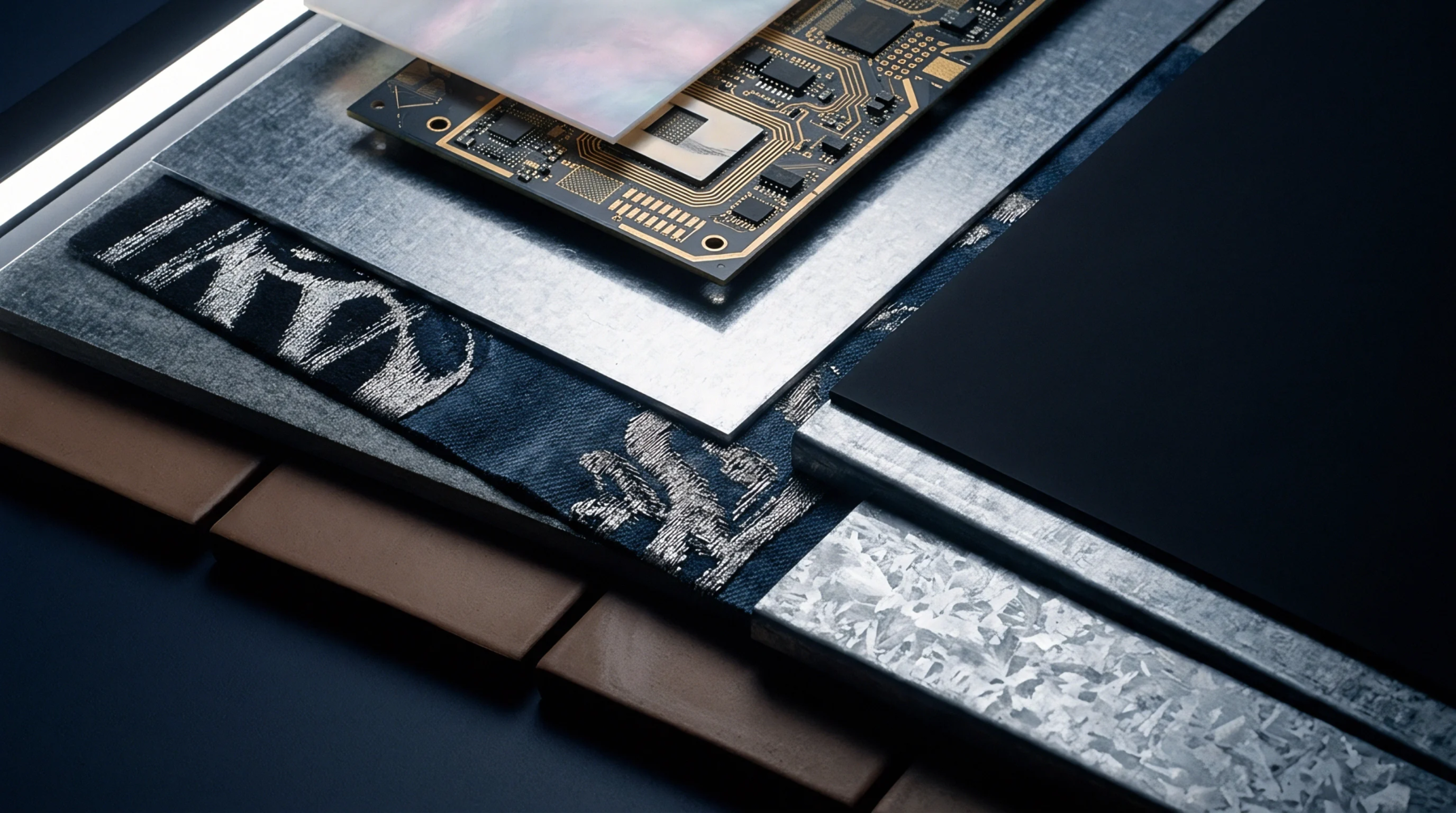
Thermal Pressing
Hydraulic platen heating delivers controlled thermal energy directly to multi-layer circuit lamination presses through circulating fluid circuits. Fluid circulation within drilled internal channels maintains uniform temperature across heavy steel plates during high-pressure cycles. Temperature deviation across the working surface must remain within two degrees Celsius to prevent resin starvation in pre-preg layers.
This thermal control directly impacts bond strength and dielectric thickness consistency in rigid-flex board fabrication.
Cure Kinetics
Resin flow and polymerization rates depend entirely on the precise thermal profile transferred from the heated plates into the composite stack. Excessively rapid heating generates internal vapor pressure that causes delamination or micro-voids within internal copper planes. Gradual thermal ramps allow epoxy resins to achieve complete cross-linking without generating trapped volatile gases.
Automated pressure transducers monitor hydraulic clamping force while thermocouple arrays feed real-time temperature data back to the heating manifold controllers.
Surface Inspection
Automated optical inspection and acoustic micro-imaging verify internal bond integrity after the lamination cycle completes. Delamination defects appear as high-amplitude acoustic reflections caused by air gaps between glass-epoxy layers and copper foils. Micro-sectioning provides destructive confirmation of resin fill thickness and dielectric spacing parameters against engineering specifications.
Dimensional stability measurements confirm that controlled cooling rates prevent excessive warp and twist before subsequent drilling and plating operations begin.