Structural Classification
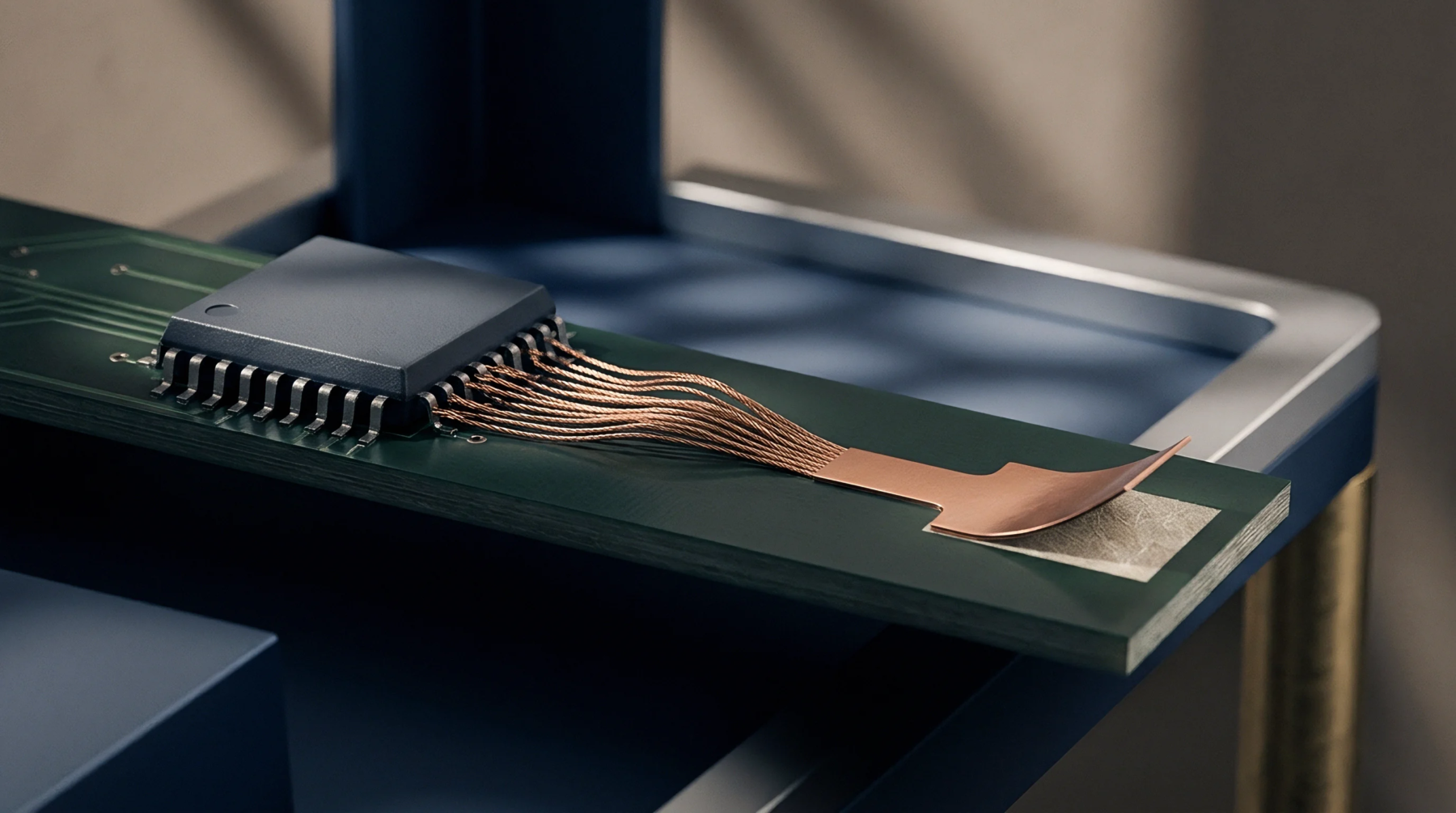
Electrical discontinuities that appear or disappear based on thermal expansion or mechanical stress represent a primary failure mode in high density interconnects. Frequent intermittent trace opens often occur at the junction between a via barrel and a landing pad. Separation happens when the board undergoes temperature cycling or vibration during operation.
Identifying these faults requires specialized testing because they are not present during static room temperature inspections.
Failure Mechanism
Delamination within the dielectric or the cracking of thin copper plating causes the circuit to break only under specific loads. When the assembly cools, the materials contract and the broken ends of the trace might touch again to restore conductivity. Such intermittent trace opens are frequently linked to poor plating chemistry or improper drilling parameters.
Stress at the knee of a via is a common site for this micro cracking.
Detection Methodology
Testing for these flaws involves interconnect stress testing or thermal shock cycles combined with continuous resistance monitoring. A high resolution meter detects milliohm changes that signal the onset of intermittent trace opens before a total failure occurs. Technicians use cross sectioning to confirm the location of the break after the electrical test fails.
Detecting these issues early prevents field returns and expensive system outages. Conservative design rules for annular rings reduce the likelihood of these defects.