Manufacturing Variation
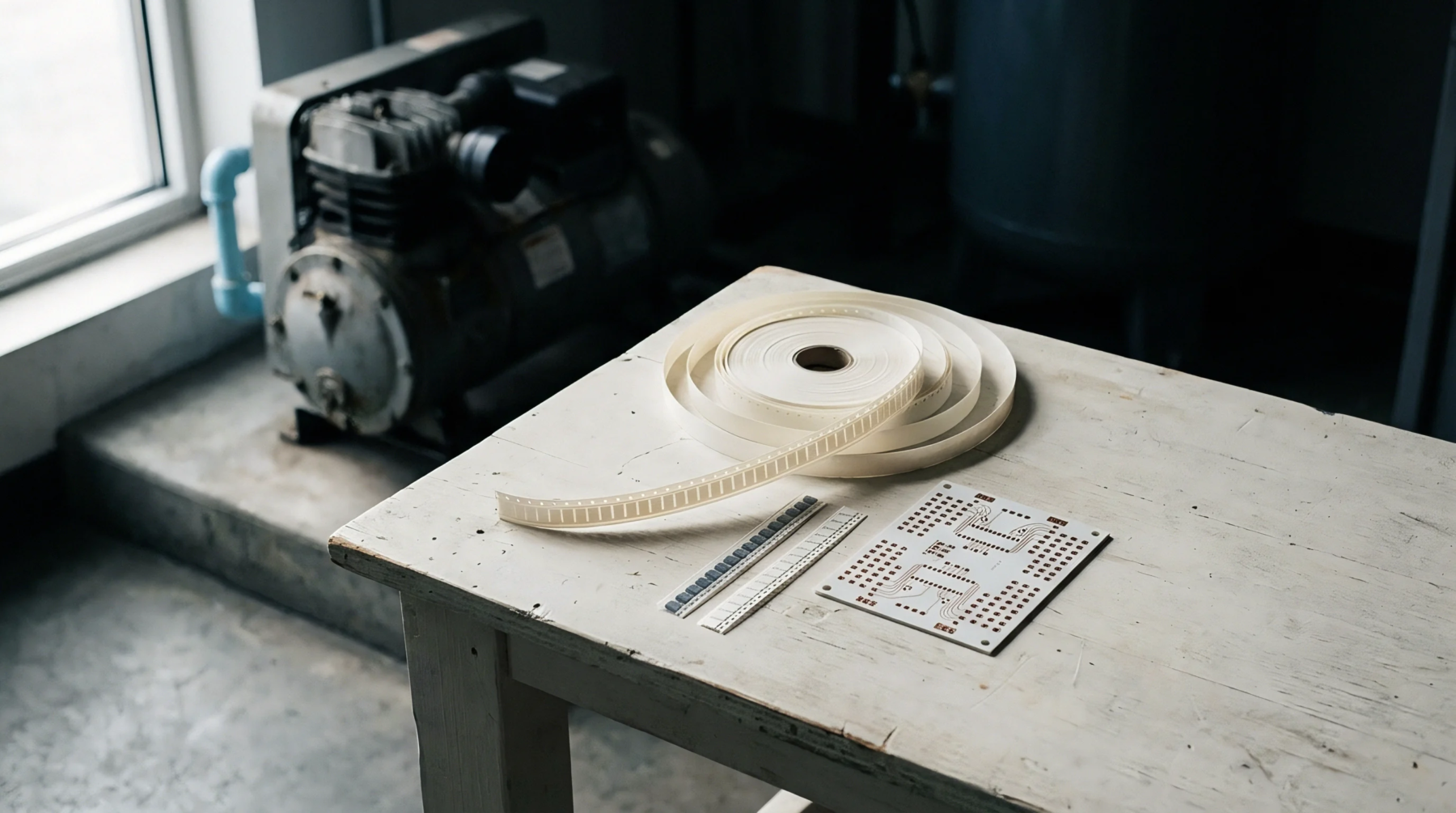
Multi-layer board compression processes can cause dimensional displacement of internal circuit elements during the curing cycle. A lamination pressure shift occurs when the force applied during the high-temperature pressing phase causes the copper layers and prepreg sheets to slide or deform. This movement can alter the alignment of internal trace routing relative to external drilling patterns.
Registration Quality
Misalignment of internal pads and vias happens when the laminate layers shift out of their planned coordinate positions. Detecting a lamination pressure shift requires post-lamination X-ray inspection to check the concentricity of copper pads across different layers. If the shift is too large, the mechanical drills will miss the center of the inner-layer pads, leading to open circuits or weak connections.
Fabricators must carefully calibrate the pressure profile and use alignment pins or rivets to prevent this defect.
Mechanical Distortion
Structural and electrical performance can degrade if the internal layers are severely displaced during the assembly process. Beyond trace misregistration, a lamination pressure shift can squeeze resin unevenly, leading to local thickness variations across the board. These variations directly translate into uneven characteristic impedance and unexpected signal reflections.
Minimizing this effect requires optimized press cycles and balanced copper distribution across all layers.