Process Range
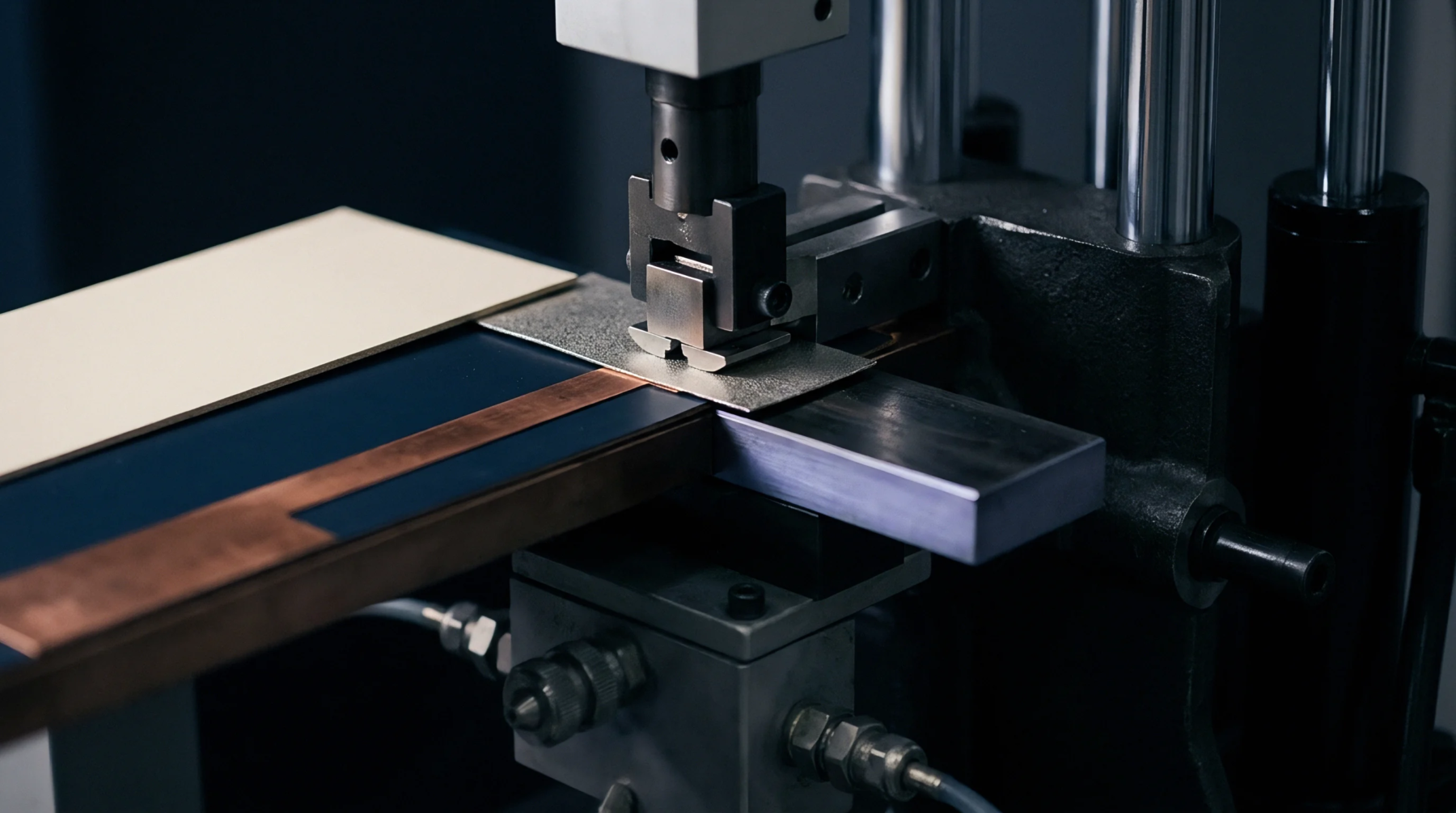
Range of applied force per unit area that can be safely used during the multilayer pressing cycle ensures proper material bonding and resin distribution. Within the lamination pressure window, the resin flows sufficiently to fill copper gaps without being squeezed completely out of the laminate stack. Fabricators must stay inside this window to avoid board defects.
This range is determined by resin viscosity, copper thickness, and cure temperatures.
Pressure Extreme
Operating outside the designated pressure limits leads to serious physical and electrical defects in the board. Exceeding the upper limit of the lamination pressure window squeezes too much resin out, causing starved areas. Conversely, insufficient pressure prevents the epoxy from flowing, which results in internal voids.
Quality Optimization
Precise control of the press cycle is required to maintain the desired resin-to-glass ratio. Engineers run test cycles with different pressure profiles to find the optimal operating point for each board design. Because boards with heavy copper loads require higher pressure to push resin into deep gaps, the lamination pressure window must be adjusted for every stack-up configuration.
Thermal profiles and press ramp rates must be coordinated to ensure that the force is applied when the resin is at its lowest viscosity. Monitoring these parameters on the factory floor prevents lamination failures and stabilizes characteristic impedance. Consistent processing guarantees that the finished boards survive thermal stresses during subsequent soldering.