Material Property
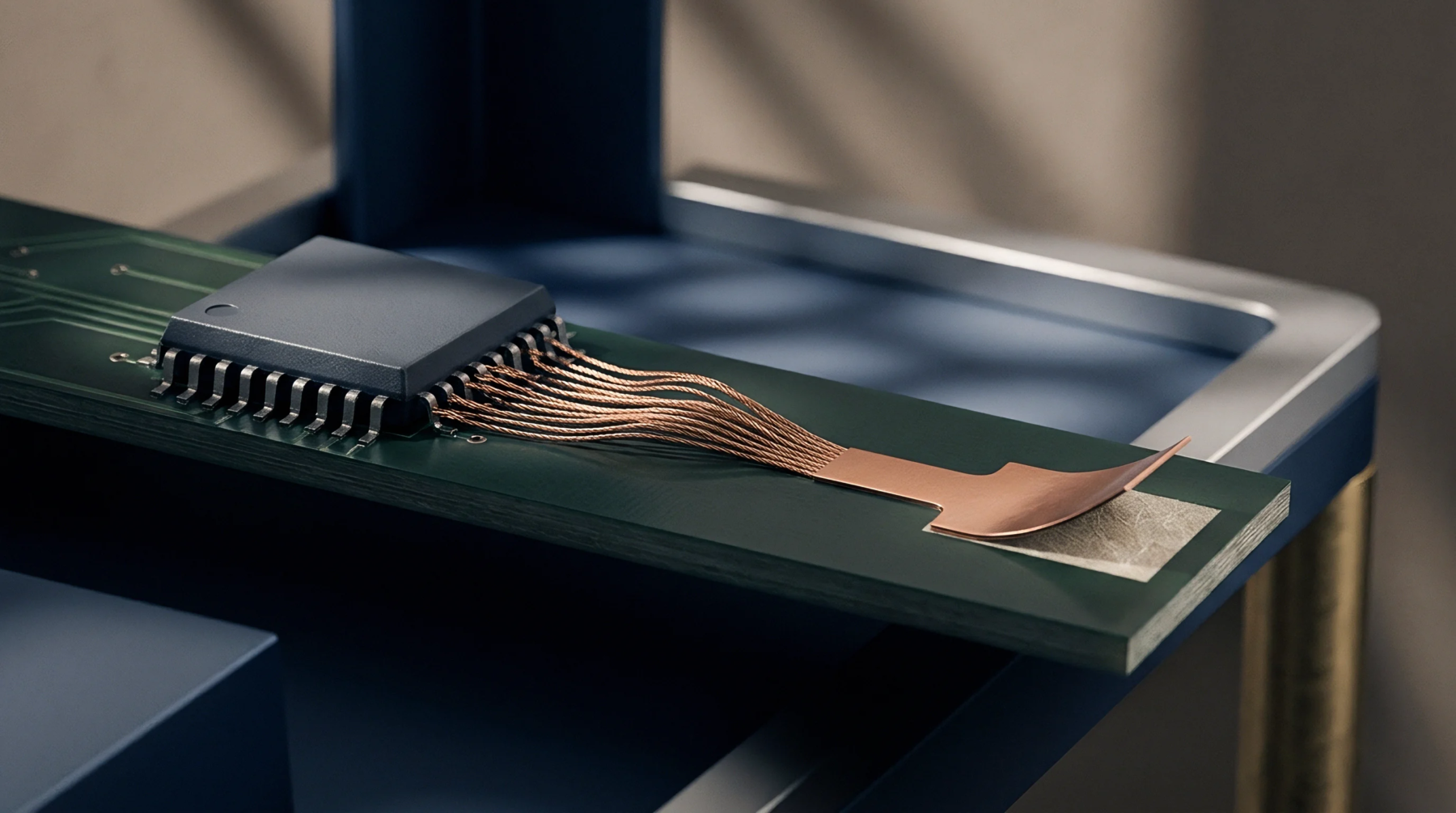
Thermal mass characteristics describe the capacity of a specific board region to store heat and resist temperature changes during the assembly process. The localized thermal capacitance depends on the volume and density of copper planes, large components or thick laminate sections. This attribute dictates the lag between the oven temperature and the actual temperature of a solder joint.
Profile Influence
Large copper pours acting as heat sinks increase the energy required to reach the liquidus state. When localized thermal capacitance is high, the nearby solder joints may fail to reflow even if the rest of the board is at the correct temperature. Engineers must adjust the soak time to allow these heavy regions to catch up with the faster-heating sections.
Failure to account for this variation causes cold solder joints or insufficient wetting.
Design Strategy
Designers can manage these effects by using thermal relief patterns around pads connected to internal planes. These spokes reduce the localized thermal capacitance by limiting the path for heat to escape into the bulk copper. Measuring the delta between the hottest and coldest spots on a board identifies where these design changes are necessary.
Proper management of heat distribution ensures uniform joint quality across the entire assembly.