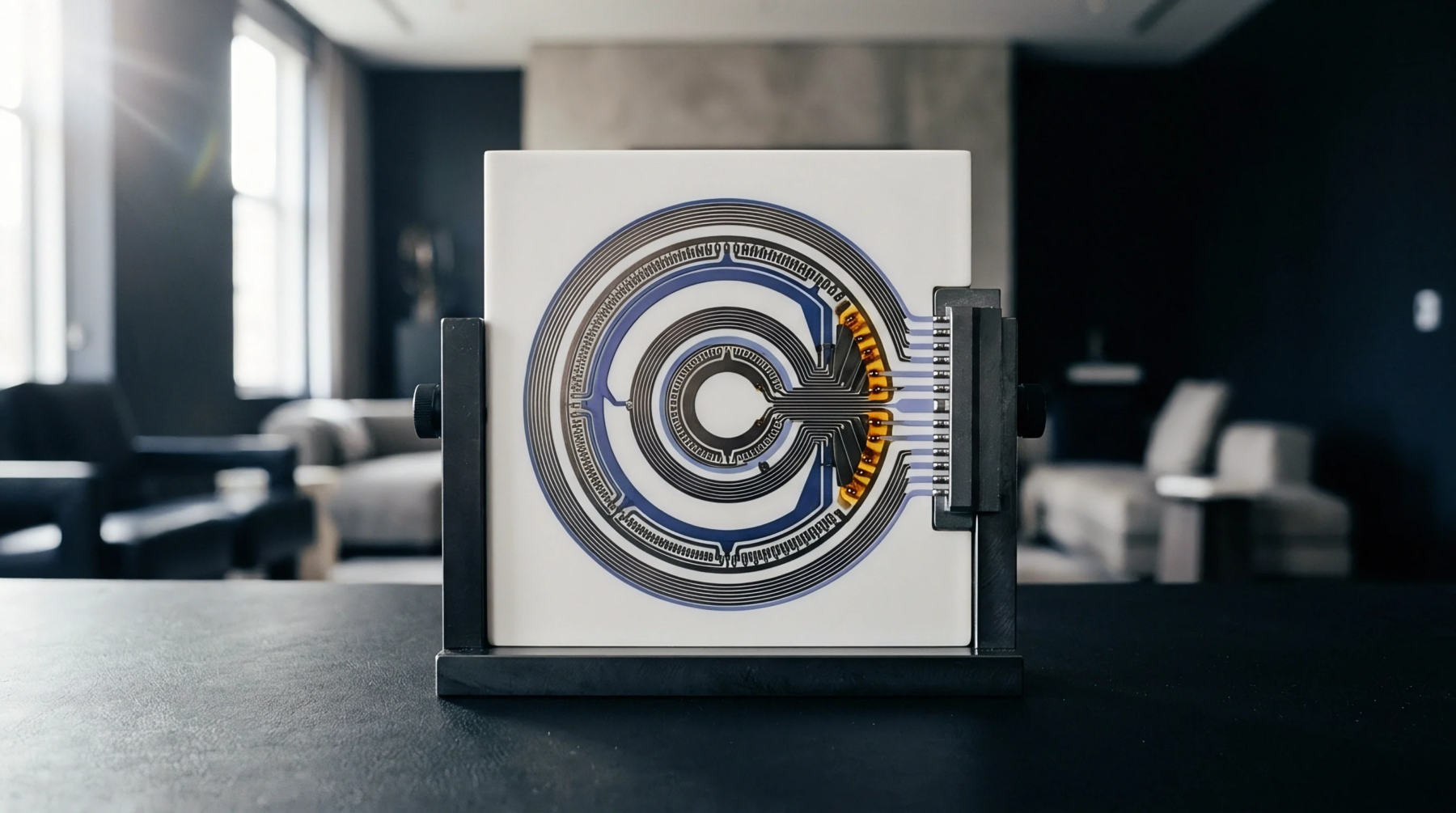
Conductor Classification
Type of copper cladding characterized by extremely smooth surfaces on the side bonded to the resin supports the transmission of very high frequency signals. The use of low profile foil hvlp minimizes the signal loss associated with the skin effect in digital circuits operating above ten gigahertz. Smooth copper reduces the resistive path that electrons must traverse as they crowd the outer edge of the trace.
Losses decrease.
Signal Integrity
Attenuation remains a primary concern for designers of high speed backplanes and networking equipment. Because low profile foil hvlp has fewer peaks and valleys, it offers a more uniform impedance profile along the length of the conductor. This consistency reduces jitter and improves the eye diagram in serial links.
It is the preferred choice for applications requiring PCIe 5.0 or 112G Ethernet standards. Signal quality improves.
Bonding Strength
Achieving a reliable mechanical connection without substantial surface roughness requires specialized chemical treatments on the metal. Traditional foils rely on deep nodules, whereas low profile foil hvlp uses a micro etched or silane treated surface to provide adhesion. Peel strength testing is vital during the qualification of these materials to ensure they do not delaminate during assembly.
Proper oxide or alternative treatments must be applied to the top surface before multi layer bonding. Smooth surfaces require chemical help.