Expansion Force
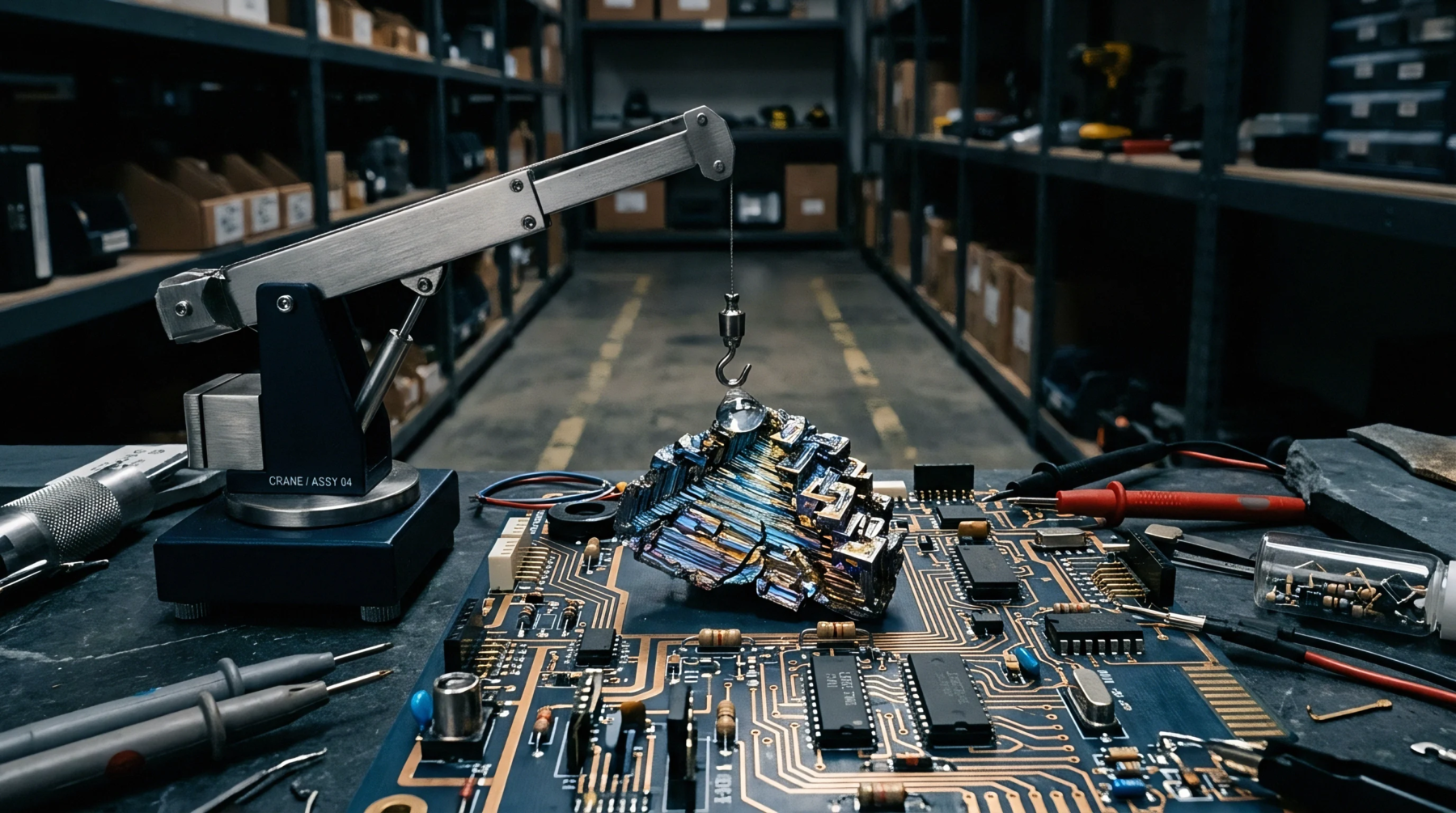
Mechanical load placed on small copper-plated holes during temperature changes results from the difference in expansion rates between metal and epoxy. When a board undergoes soldering or operation, microvia thermal stress occurs as the resin expands much faster in the vertical direction than the copper barrel can accommodate. This force pulls on the base of the via where it connects to the target pad.
It is a primary cause of fatigue in high density interconnect designs.
Structural Damage
Failure typically appears as a crack at the corner of the via or a separation of the copper plating from the inner layer. These defects are often latent, meaning the board passes initial electrical testing only to fail after several thermal cycles in the field. High aspect ratio microvias are particularly susceptible to this damage because the plating is thinner and less uniform.
Reducing microvia thermal stress requires selecting laminate materials with a low coefficient of thermal expansion in the z-axis. Precise laser drilling and plating control also help by creating a more robust mechanical bond. Engineers use cross sectional analysis to verify the integrity of these junctions after stress testing.
Cycle Reliability
Environmental conditions dictate how long a connection survives. Rapid changes in temperature accelerate the growth of existing microscopic fractures.