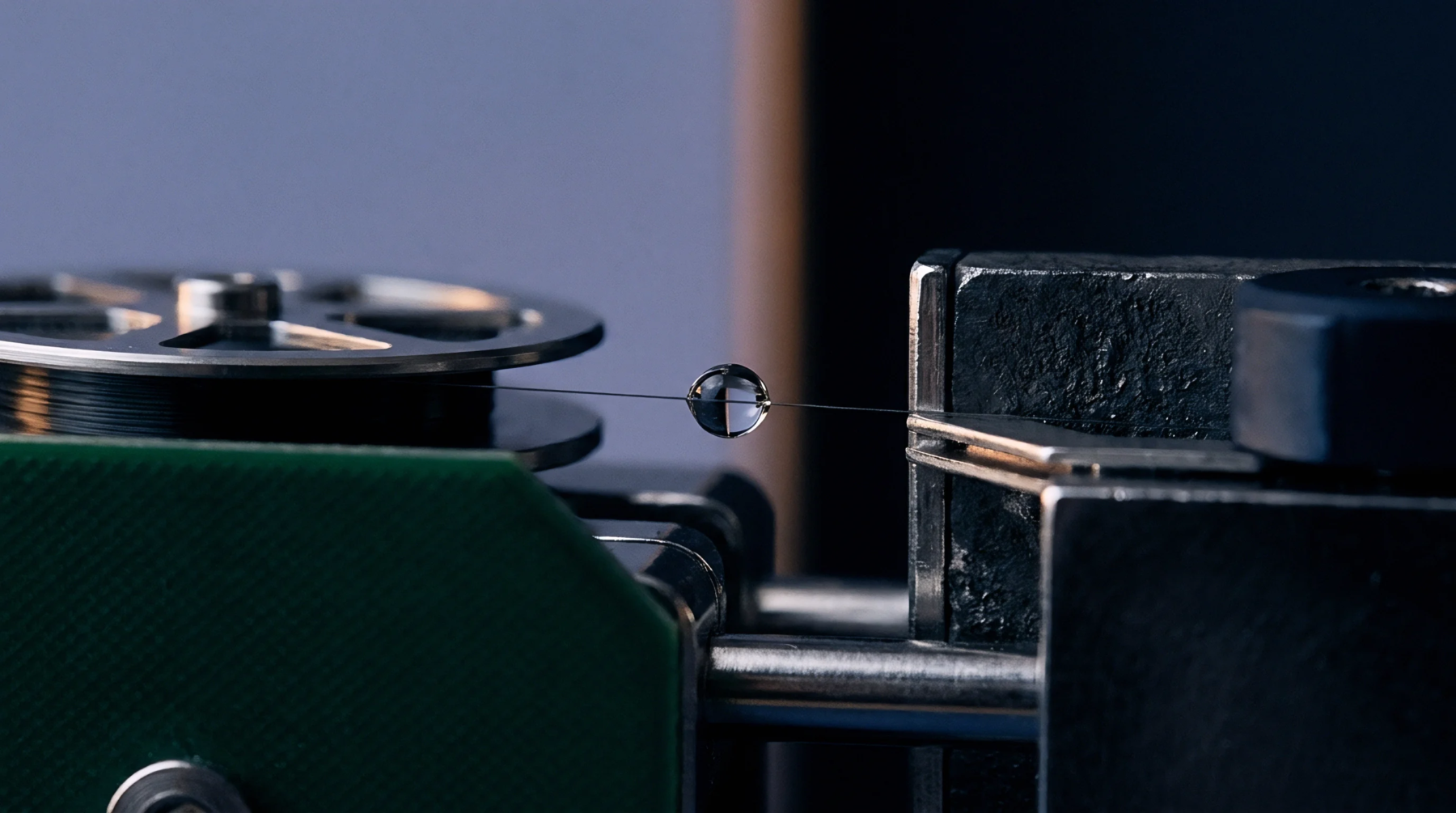
Chemical Bonding
Organosilane treatment provides a molecular bridge between inorganic substrates and organic coatings by utilizing bifunctional molecules that possess both hydrolyzable groups and reactive organic groups. Through a hydrolysis reaction, these organosilane compounds form silanol groups that condense onto the hydroxylated surface of substrates such as glass or metal. This deposition creates a covalent chemical linkage that alters the interfacial energy of the contact zone.
Application Control
Precision in the liquid phase deposition of organosilane treatment requires strict moisture and pH monitoring to ensure the formation of a uniform monolayer rather than a thick, brittle polymer film. Manufacturers often monitor the contact angle of water droplets on the treated surface to confirm successful activation and adequate coverage density. Improper concentration levels or uneven drying processes trigger localized defects that impair the subsequent adhesion of photoresists or mold compounds during the assembly of electronic components.
Bonding Performance
Reliable performance in environmental stress testing relies upon the chemical stability of the siloxane linkage created during the treatment phase. These bonds withstand thermal cycling better than simple physical adsorption because they resist displacement by moisture migration at the material interface. This resistance to delamination maintains electrical integrity in high density circuits subjected to humid operating environments.