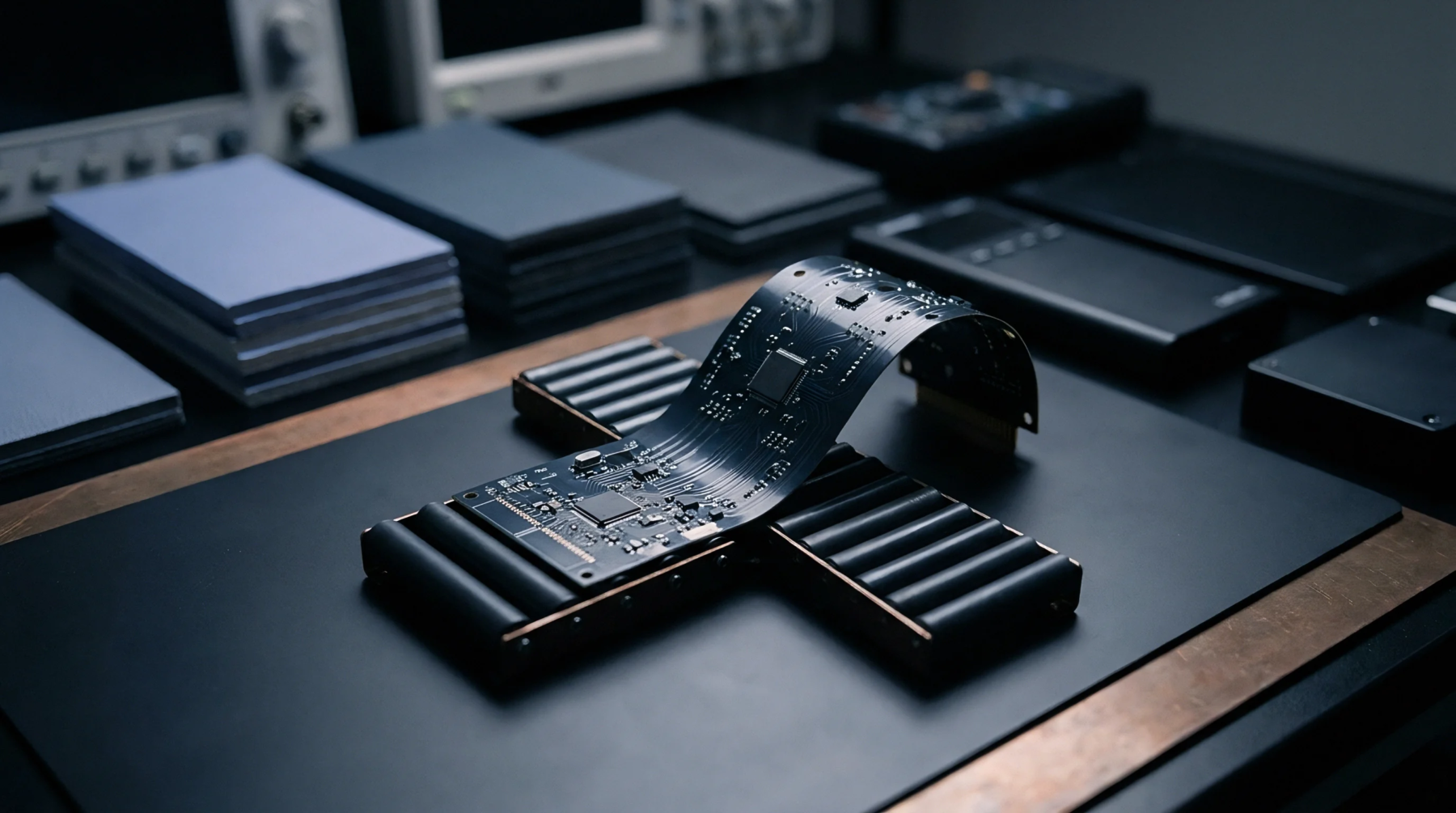
Adhesion Failure
Physical separation between the imaging film and the copper substrate happens during wet chemical processing. Any photoresist delamination allows acids to creep under the mask and destroy traces that should have been protected. This defect usually appears as wavy lines or broken copper features after the strip process.
Adhesive Bond
Surface cleanliness is the primary factor that prevents the polymer mask from lifting during development or etching. Instances of photoresist delamination often stem from oil, fingerprints or moisture being trapped on the panel surface during the lamination stage. Preheating the board to a specific temperature ensures the dry film flows into the micro texture of the copper correctly.
If the temperature is too low, the bond remains weak and prone to pressure from the spray nozzles in the etch machine. High density designs with thin features are especially susceptible to these forces because they have less surface area for sticking.
Process Hazard
Scrap rates climb fast if lamination rollers are not parallel or the pressure settings vary. Continuous tracking for photoresist delamination identifies when copper pre-treatment stages are losing their effectiveness. Corrective action involves adjusting the acid concentration or cleaning the input rollers before the next batch starts.