Surface Activation
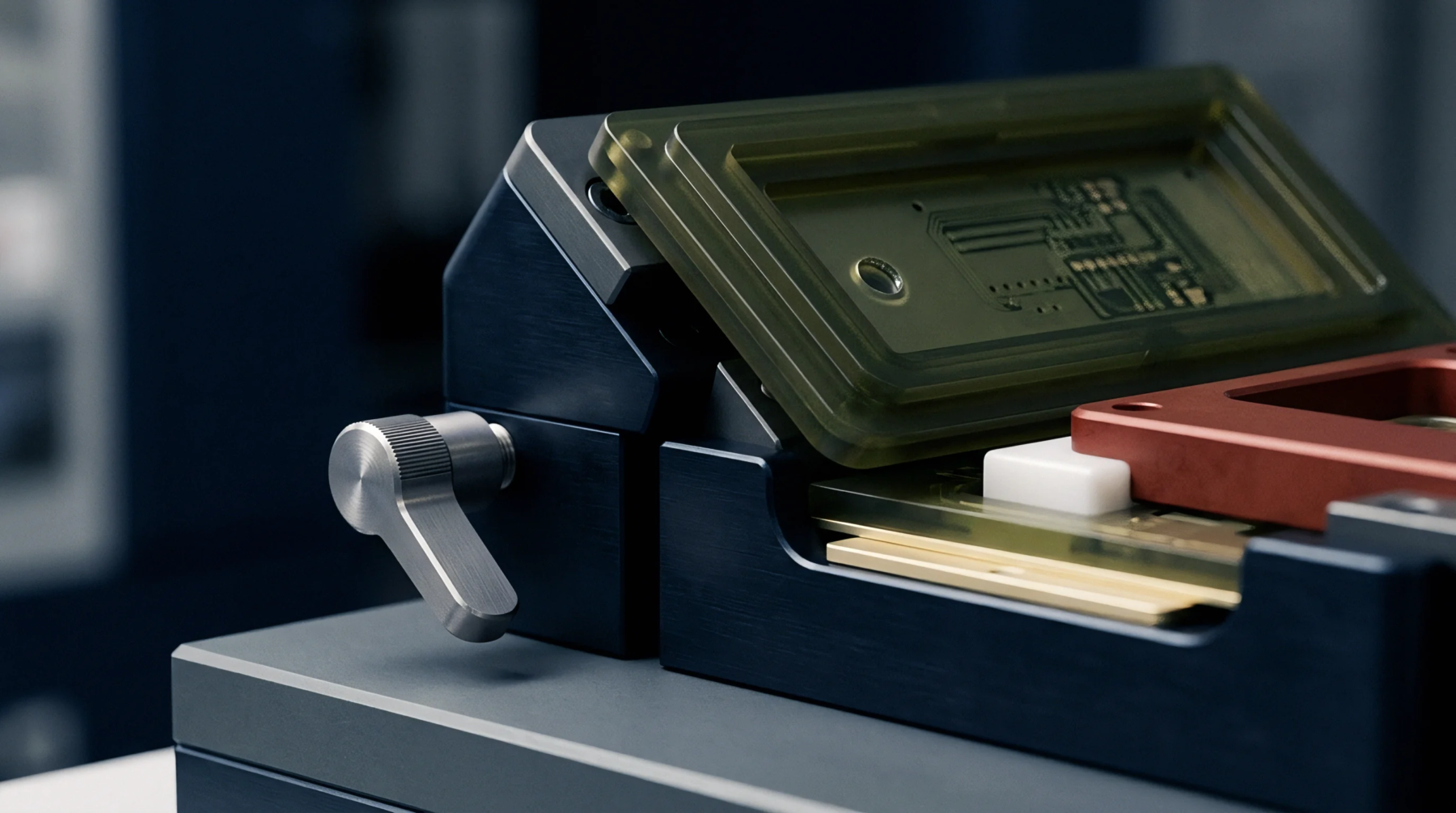
Molecular bombardment by ionized gases prepares high density interconnect substrates for subsequent wire bonding and conformal coating operations by stripping microscopic organic residues from copper pads and laminate surfaces. Plasma cleaning employs radio frequency energy to excite reactive process gases such as oxygen and argon inside a vacuum chamber, creating unstable species that react with surface contaminants to form volatile byproducts extracted by vacuum pumps. Residual hydrocarbon films on bonding pads prevent proper gold wire wedge formation during second level packaging, making this preparation step mandatory before thermosonic bonding operations begin.
Process engineers monitor chamber pressure and forward radio frequency power to maintain the correct gas dissociation rate without damaging sensitive dielectric layers underneath the conductors.
Residue Removal
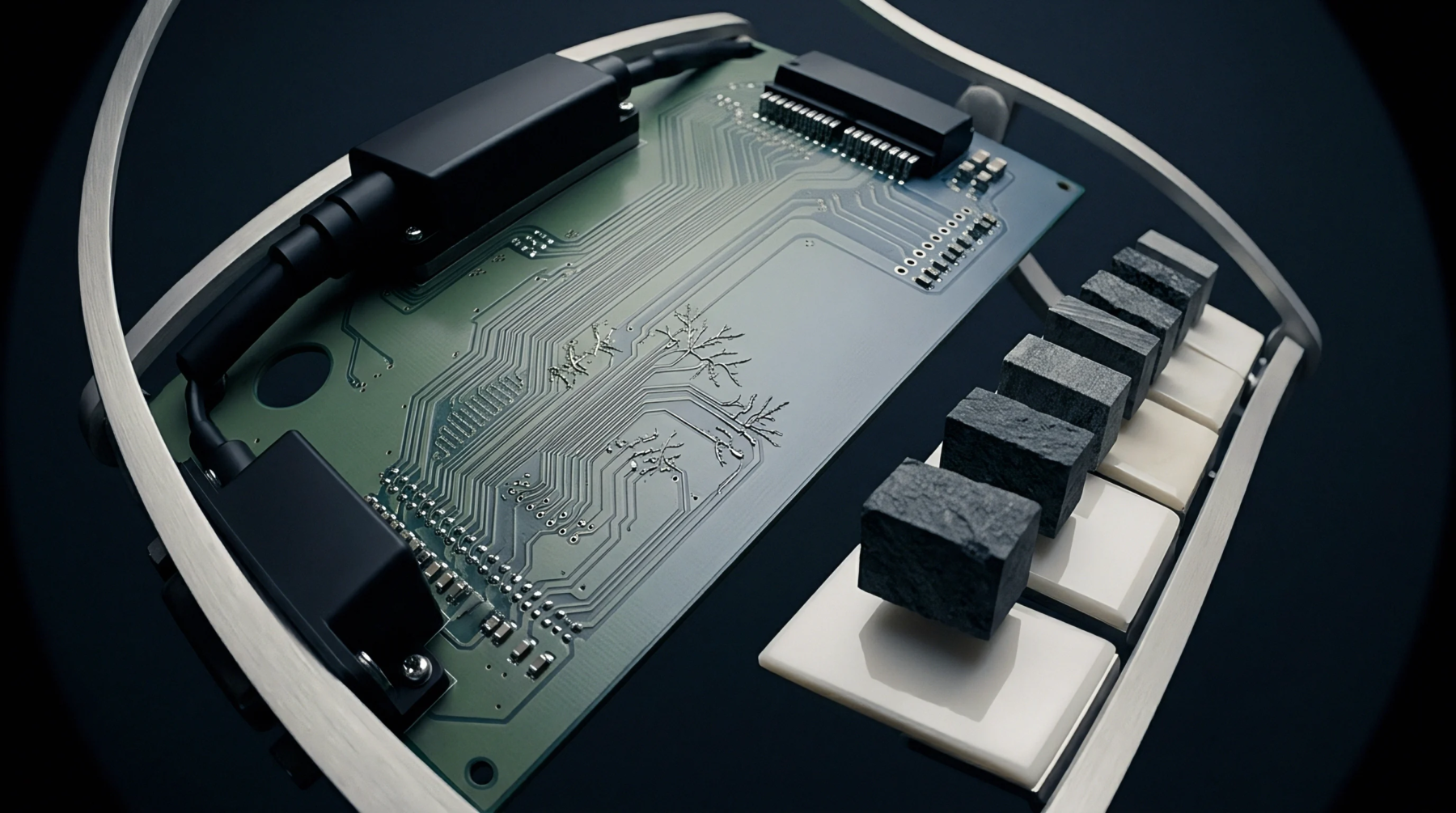
Ionized gas chemistry strips away fluoropolymer residues left behind by reactive ion etching processes on multi layer printed circuit boards before laser via metallization. High energy oxygen radicals attack carbon-hydrogen bonds within organic films, converting solid contamination into carbon dioxide and water vapor that continuous vacuum evacuation clears from the reaction zone. Defective removal of these residues causes void formation within plated through holes during subsequent electroless copper deposition, leading to thermal stress failures during reflow soldering simulation tests.
Automated optical inspection systems cannot detect incomplete organic removal beneath component termination areas, so manufacturers rely on contact angle measurement tests using water droplets to verify surface wettability prior to assembly operations.
Bonding Integrity
Interfacial adhesion between encapsulation resins and substrate surfaces improves significantly when energetic species create polar hydroxyl and carboxyl groups across polymer matrices. Vacuum chamber geometry and gas flow distribution determine uniformity across large area panels, preventing localized under treatment that later triggers delamination during moisture sensitivity level baking procedures. Automated peel tests measure the mechanical force required to detach applied coatings from prepared substrates, quantifying the effectiveness of the treatment protocol before full scale production runs commence.