Thermal Velocity
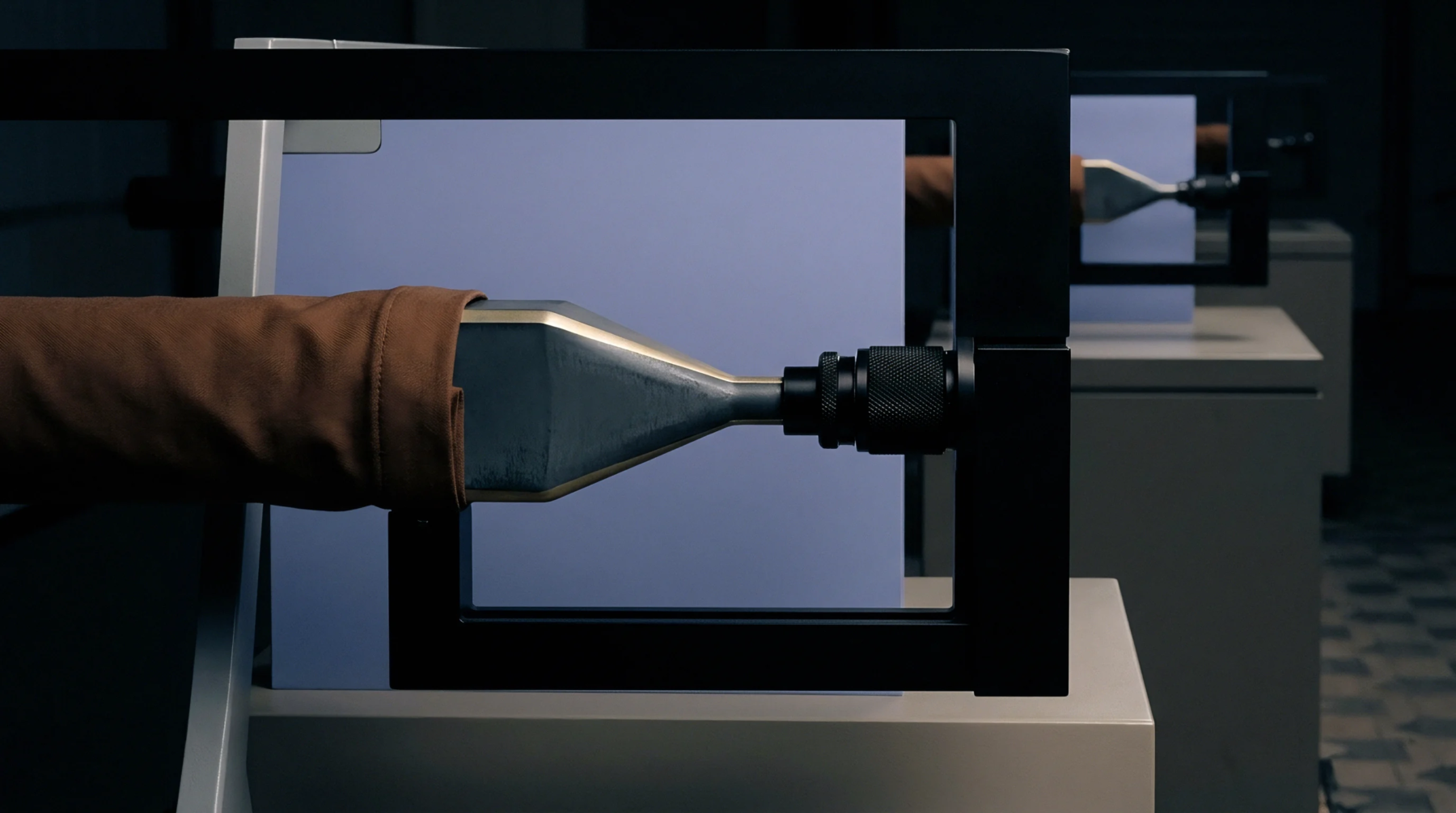
Thermal velocity represents the controlled rate at which downward force increases during the lamination cycle of multilayer printed circuit boards. During the press cycle, platen pressure ramp dictates the mechanical stress transferred to delicate copper traces and dielectric layers. Hydraulic fluid delivery speeds and proportional valve responses establish this mechanical trajectory before the resin reaches full cure.
Excessive acceleration causes laminate shift and internal voids, whereas insufficient force permits resin starvation across high density interconnect regions. Automated controllers adjust proportional valves continuously to track the programmed force profile, compensating for fluid viscosity variations caused by heating platens. Manufacturers verify this parameter through automated pressure transducer logs captured during every production run, ensuring compliance with internal workmanship standards.
Mechanical Gradient
Mechanical gradient governs the distribution of compressive forces across the tooling surface during board consolidation. Thermal expansion mismatches between steel platens and fiberglass panels generate localized stress gradients that risk destroying internal layer registration. Operators select specific force increments to prevent resin squeeze out at board edges while maintaining adequate consolidation pressure over buried capacitor layers.
Strain gauge arrays placed inside test panels measure actual force transfer during trial presses, validating the controller output against calculated boundaries.
Cure Boundary
Cure boundary defines the precise pressure threshold where thermosetting resins transition from viscous liquids to rigid solids. Below this threshold, molecular crosslinking proceeds too slowly, leaving the composite vulnerable to delamination during subsequent thermal shock testing. Above this threshold, internal copper features warp permanently under excessive mechanical loads.
Technicians calibrate hydraulic proportional valves weekly to maintain the required force trajectory within tight tolerances, preventing both undercured dielectrics and crushed glass cloth bundles. Precise control of platen pressure ramp ensures structural integrity throughout the laminated stackup.