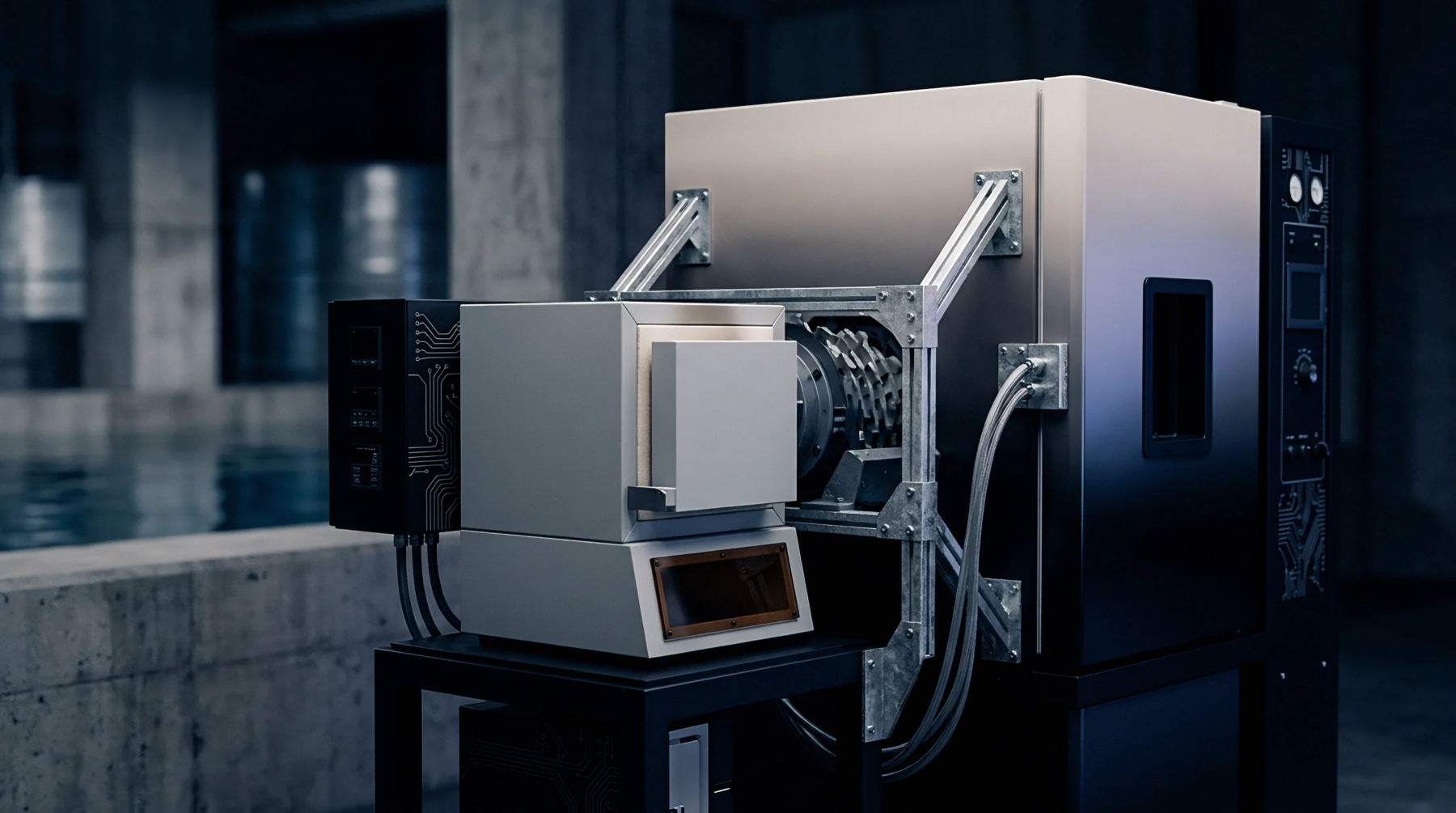
Delamination Mechanism
Moisture expansion during solder reflow causes internal pressure that forces apart the interface between package components. Popcorn failure happens when this trapped vapor exceeds the adhesion strength of the molding compound and the lead frame. Rapid outgassing creates a loud audible pop followed by visible bulging or physical cracking of the device housing.
Engineers classify this event as a package integrity failure resulting from poor moisture sensitivity management.
Moisture Control
JEDEC standards define the baking procedures required to remove latent humidity from surface mount components before soldering. Proper storage in dry cabinets prevents the absorption of ambient air into the porous packaging materials. Dry packs featuring desiccant beads and humidity indicator cards guard against the saturation that precedes these thermal events.
Manufacturers perform floor life tracking to ensure that parts enter the reflow oven within the window of safety.
Thermal Stress
Exposure to the high temperatures of infrared or convection reflow heating cycles drives the vapor pressure to critical levels. Higher melting point alloys required for lead free assembly demand increased peak temperatures which intensify the mechanical load on the packaging structure. Accelerated cooling patterns influence the distribution of residual stress across the internal junction.
Thin profile housings show vulnerability to these thermal gradients due to the limited material path available to contain expanding gases.