Mechanical Disconnection
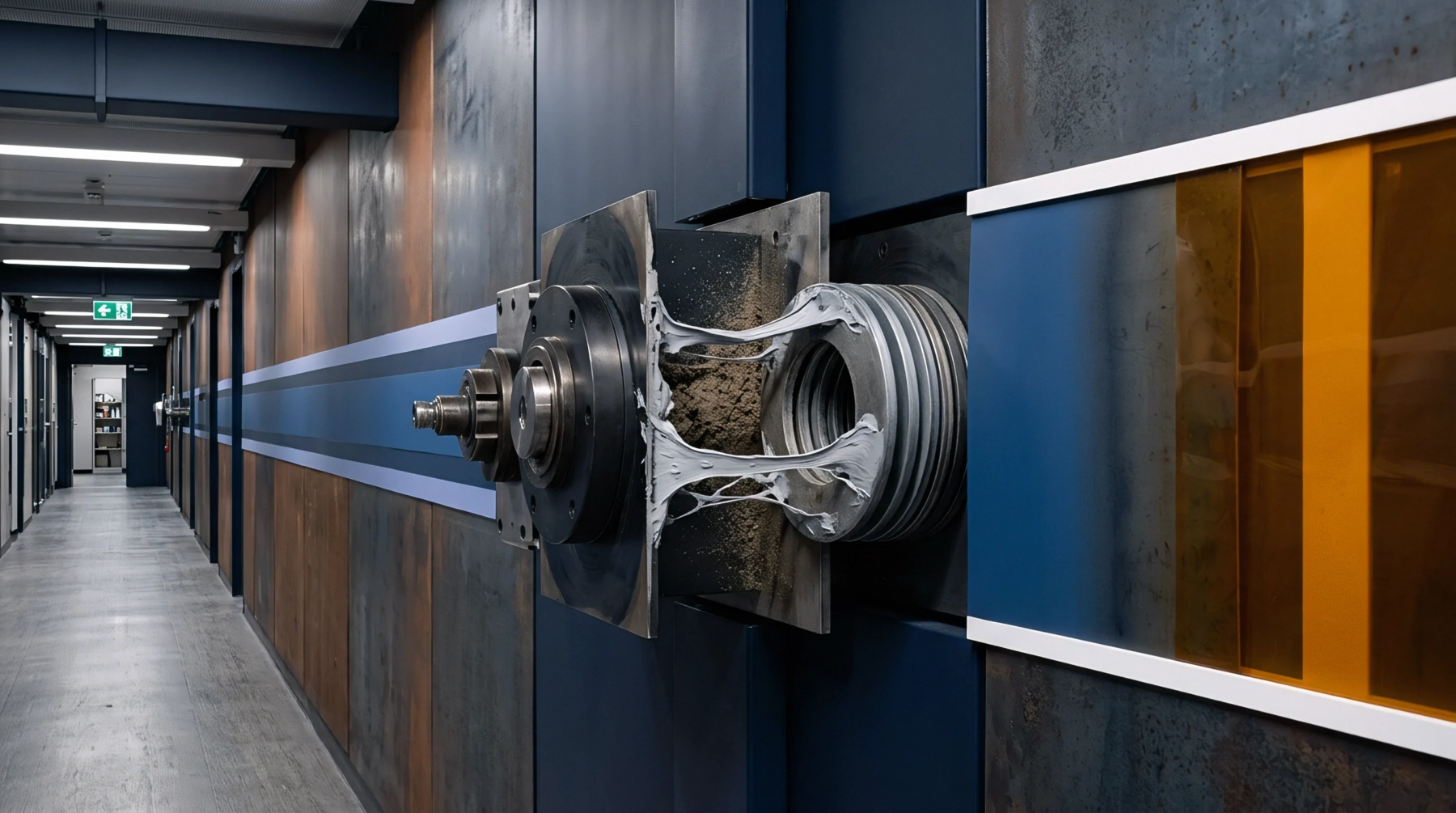
Internal cracking or disconnection between a plated through-hole wall and an inner-layer copper trace is a critical reliability failure that occurs during thermal stress or mechanical assembly. This condition, referred to as a post-separation defect, is discovered after the board has been subjected to soldering temperatures or thermal cycling. It represents a separation of the electroplated copper in the barrel from the foil of the inner-layer pad.
Such a failure results in an intermittent or permanent open circuit that makes the entire assembly non-functional.
Chemical Desmear
Inadequate desmear or drill debris removal from the inner-layer pad during board fabrication is the primary source of this separation. When the drill bit cuts through the copper and resin layers, it generates heat that melts the resin, smeared across the exposed copper edge. If the subsequent chemical desmear process does not completely clean this resin smear, the electroless copper plating will deposit onto the smear rather than directly onto the inner trace.
Under the thermal load of soldering, the resin expands and tears the plated barrel away from the contaminated pad. The mechanical strength of this interface must be checked by inspecting test patterns to ensure the cleaning chemistry is active and the drill parameters are optimized.
Sectional Analysis
Quality control laboratories detect this failure by performing thermal stress tests and analyzing microsections. Test coupons undergo solder floating or thermal cycling to simulate assembly conditions before being cast in epoxy resin, ground, and polished. Technicians use optical microscopes to inspect the connection between the inner pad and the plated copper barrel for any sign of a gap.
Even a minute microcrack at this junction is classified as a failure because it will eventually widen and cause circuit failure.