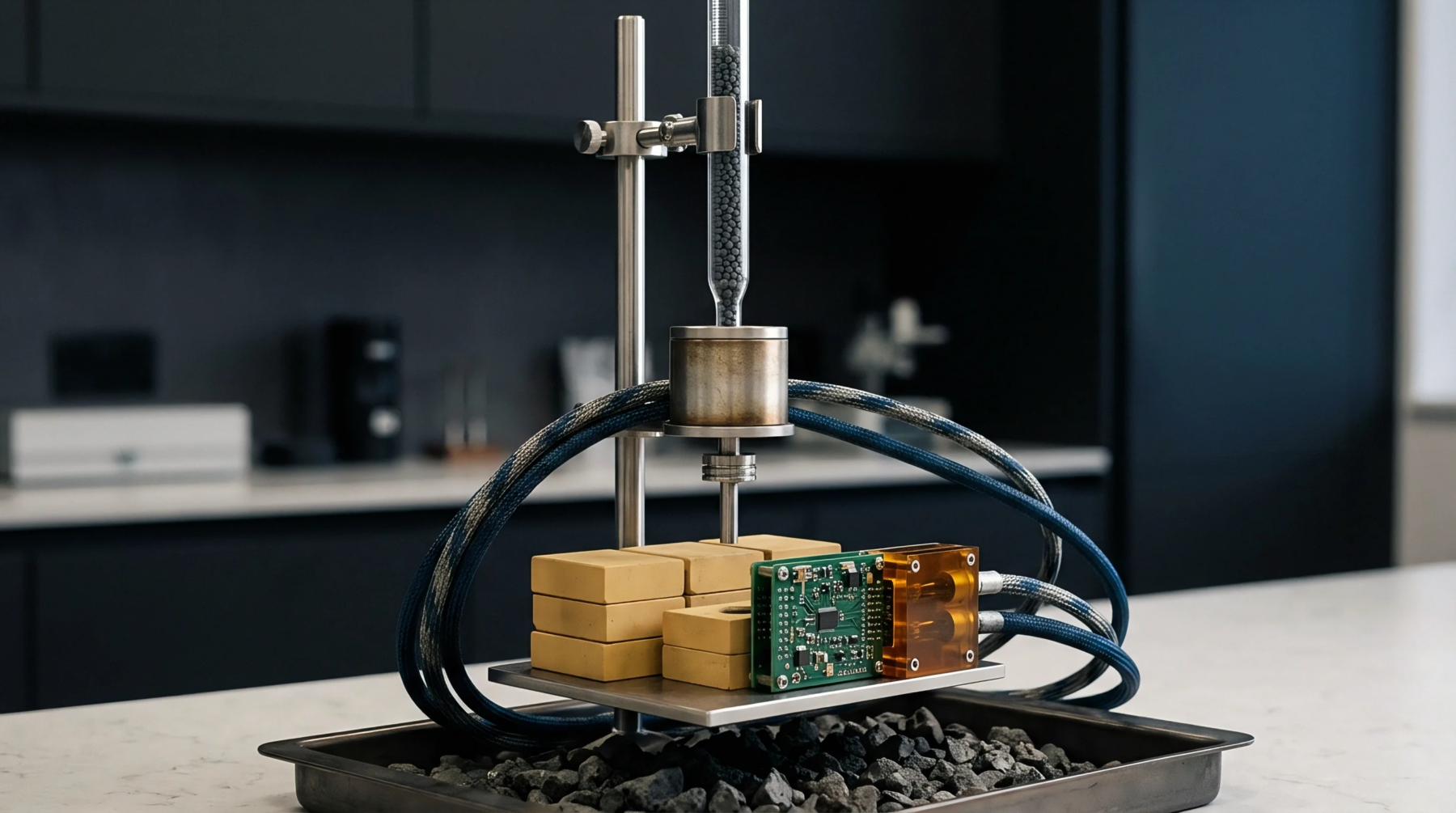
Moisture Desorption
Controlled thermal conditioning cycles drive absorbed atmospheric moisture out of raw materials, fabricated bare circuit boards and moisture-sensitive components prior to high-temperature soldering operations. Performing a pre-bake cycle stabilizes hygroscopic dielectric resins and plastic component packages below critical moisture thresholds to prevent explosive internal delamination during rapid reflow heating. Electronic manufacturing facilities operate calibrated convection ovens at steady temperatures between one hundred and one hundred twenty-five degrees Celsius for durations determined by component package thickness and moisture sensitivity levels.
The conditioning process applies to unpopulated boards and packaged surface mount devices before assembly, terminating immediately once materials enter sealed dry storage or the solder paste reflow line.
Dehydration Kinetics
Moisture absorption into epoxy glass laminates and plastic mold compounds occurs naturally when materials remain exposed to ambient factory humidity. During the pre-bake process, thermal energy increases the diffusion rate of water molecules trapped within the polymer matrix, driving moisture out through package surfaces into the circulating oven atmosphere. Standard conditioning profiles follow IPC/JEDEC J-STD-033 requirements for semiconductor components and IPC-1601 guidelines for printed circuit board handling and storage.
Rigid-flex and polyimide multi-layer boards require extended baking times because polyimide materials exhibit higher hygroscopic moisture absorption rates than standard FR-4 laminates. Baking cycles must avoid excessive temperatures that could degrade organic solderability preservative surface finishes or cause premature oxidation on exposed copper lands.
Structural Protection
Desorbing internal water content prevents severe structural defects caused by rapid steam expansion during convection reflow soldering. When moisture-laden printed boards or integrated circuits encounter reflow temperatures exceeding two hundred forty degrees Celsius, trapped water vaporizes violently, causing internal copper barrel fractures, interlayer delamination and package popcorning. Moisture-induced package cracks compromise hermetic seals, permitting ionic contaminants to reach internal silicon dies and initiate corrosion failures.
Implementing systematic baking controls before assembly safeguards sensitive components and preserves structural reliability across safety-critical electronics.