Paste Deposit
Solder paste volume displacement depends entirely upon stencil aperture geometry and the vertical clearance maintained during board fabrication and assembly. Print height variation measures the vertical deviation of deposited solder paste across a printed circuit board after the squeegee passes over the aperture openings. Excessive vertical range creates bridging defects during subsequent reflow or causes dry joints when component terminations fail to reach the flattened paste volume.
Aperture Clearance
Laser cut stainless steel foils dictate the initial paste release dynamics during the stencil printing stage of surface mount production. Gasket sealing between the bottom side of the stencil and the copper pads prevents paste smearing and controls paste volume consistency across fine pitch components. Board warp introduces localized gaps that allow paste to bleed beneath the foil during the stroke, producing localized over-deposition.
Laser Measurement
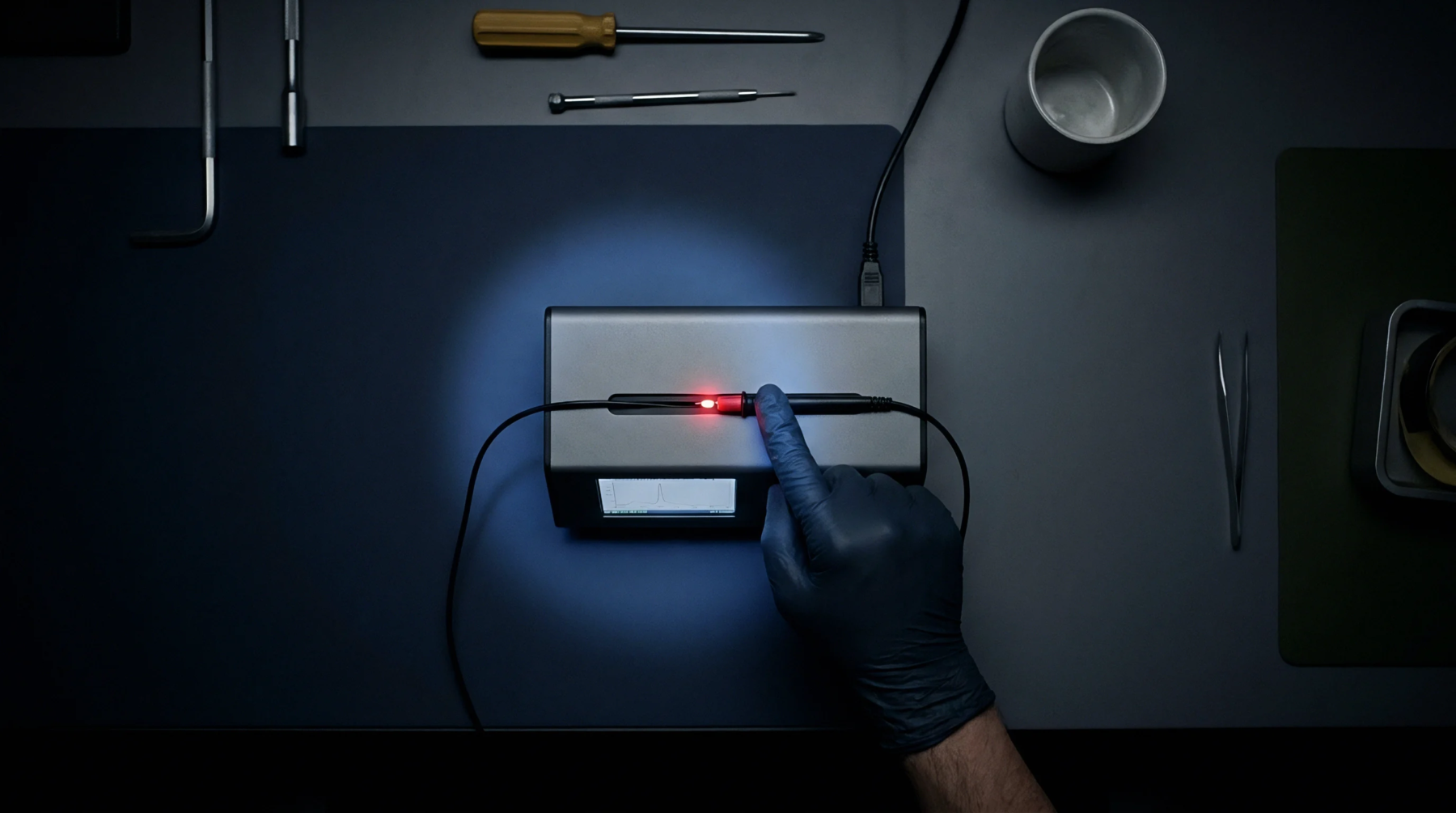
Optical profilometry scans the wet paste deposit immediately following the print stroke to detect volumetric and height anomalies before component placement begins. Triangulation laser sensors map the topography of individual pads to verify that paste deposition falls within acceptable upper and lower process limits. Closed loop feedback systems communicate these height measurements back to the printer to trigger automatic squeegee pressure adjustments or stencil cleaning cycles when systematic drift occurs.