System Endurance
Structural integrity and functional continuity metrics define the capability of an electronic assembly to perform within specification over its design lifespan. Printed circuit board reliability measures resistance against thermal stress, mechanical shock, environmental moisture, and electrical breakdown. Failure modes such as conductive anodic filament growth and microvia separation shorten operating life.
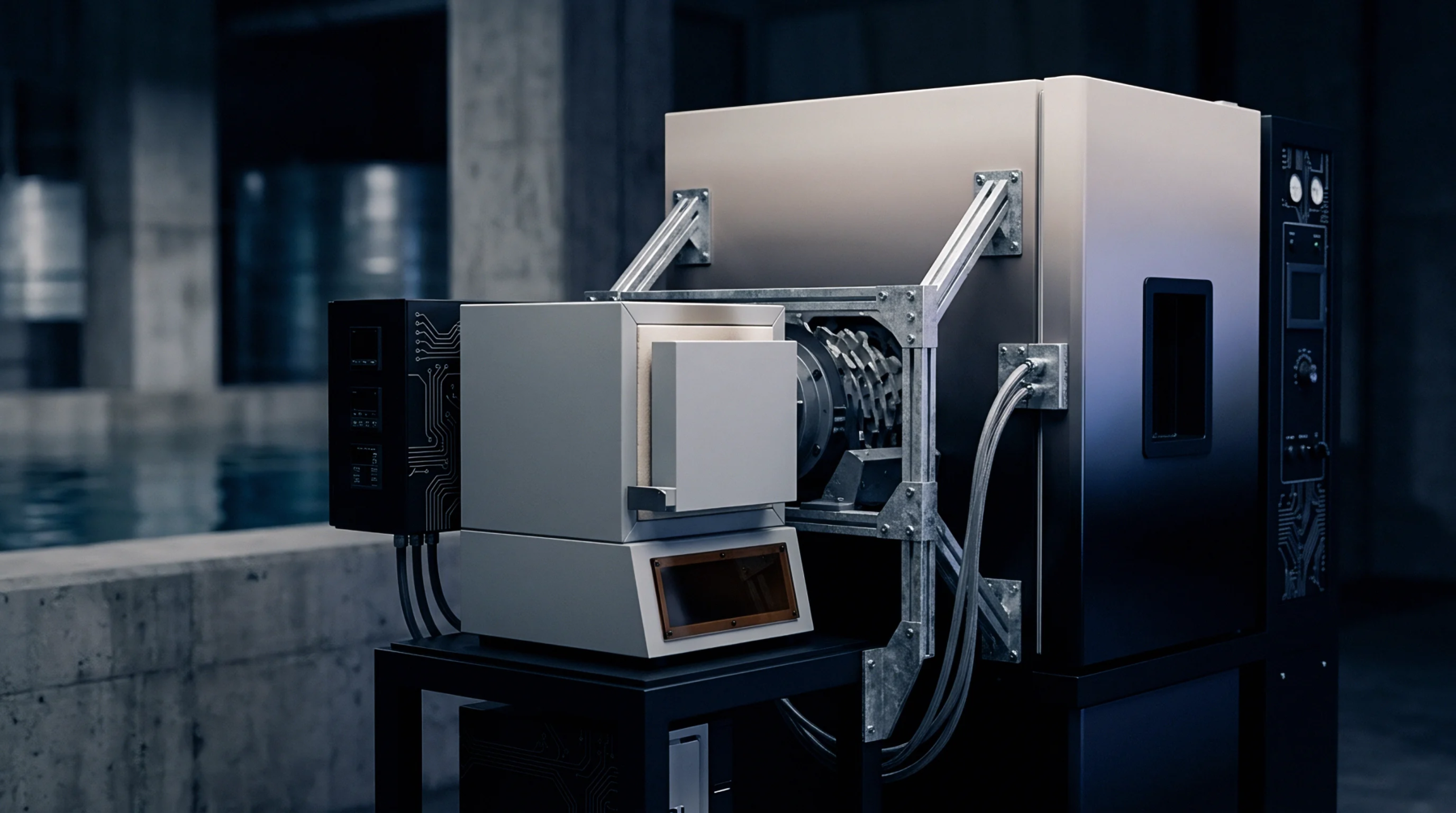
Accelerated environmental exposure evaluates long-term electrical insulation and mechanical bond persistence under operational loads. Scope of qualification applies to fully fabricated circuit cards and terminates when physical destruction occurs from stress exceeding material yield strength.
Degradation Mechanism
Repeated thermal expansion cycles generate cyclic strain across solder interconnects and internal copper plating. Maintaining printed circuit board reliability requires matching substrate expansion coefficients and selecting resilient resin systems like high thermal transition epoxy. Moisture absorption lowers dielectric breakdown voltage and accelerates microvia delamination under reflow temperatures.
Intermetallic compound growth at solder interfaces increases embrittlement risk under vibration loads.
Stress Qualification
Qualification testing subjects finished assemblies to accelerated stress testing like highly accelerated stress screening and thermal shock cycling. Standard IPC-6012 test coupons undergo interconnect stress testing to monitor barrel cracking in plated through-holes. High printed circuit board reliability requires passing microsection inspection and insulation resistance testing following environmental exposure.
Test results confirm design compliance before volume manufacturing approval.