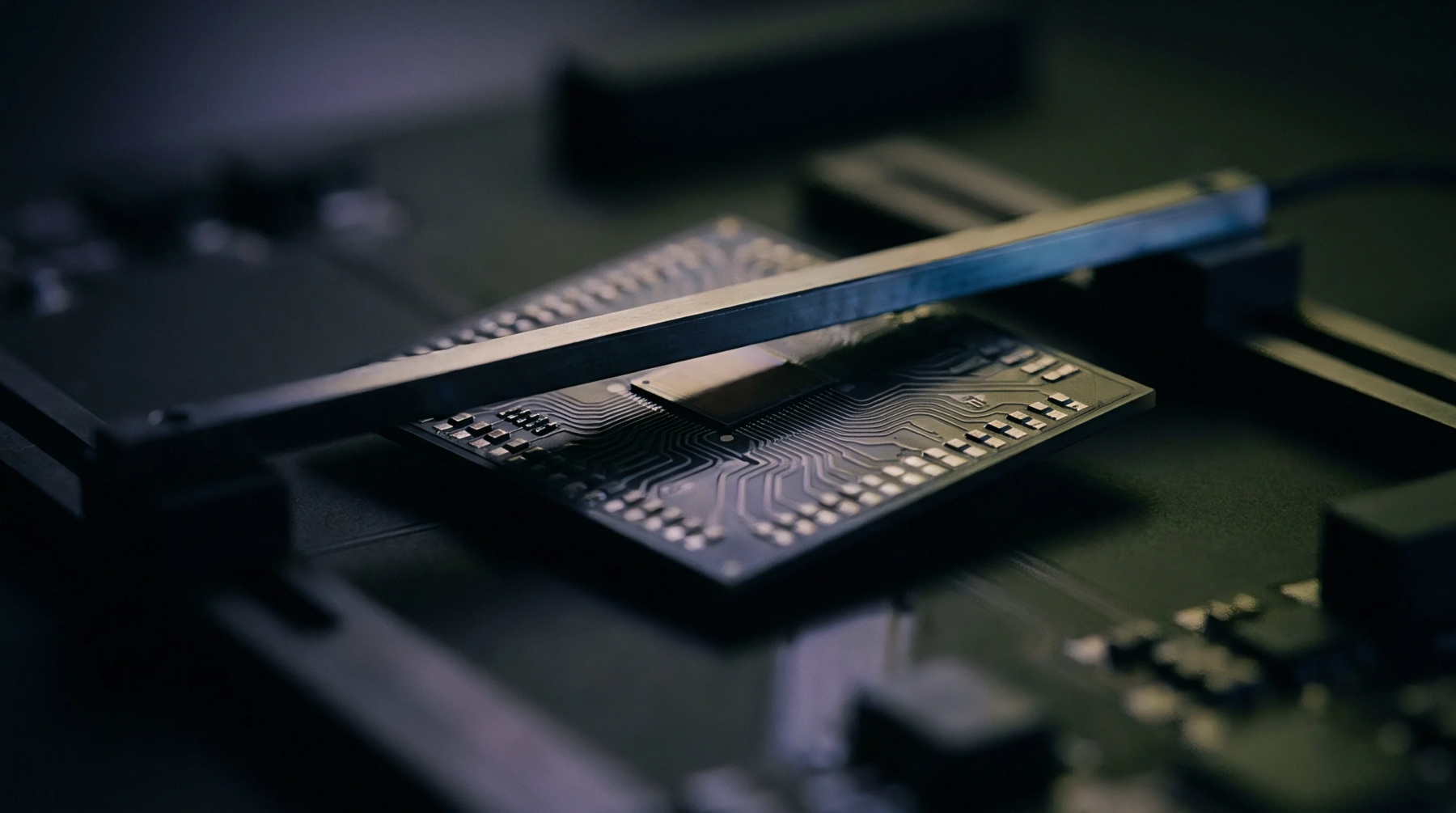
Thermal Deformation
Computational framework for predicting the change in substrate flatness during the soldering process accounts for the thermal expansion of composite materials. The reflow warpage model integrates the properties of the glass transition temperature and the copper distribution across layers. Understanding these dynamics is essential for preventing open joints or solder bridging in large area array packages.
Profile Simulation
Calculation of the expected curvature within a reflow warpage model relies on the temperature profile of the oven. As the board moves through the preheat and peak zones, different materials expand at different rates. Internal differential expansion creates mechanical stresses that pull the board away from its planar state.
Sophisticated models use finite element analysis to map internal stresses across the entire surface of the PCB.
Verification of the model
involves comparing the predicted shapes with actual measurements taken using shadow moire or digital fringe projection. A reliable reflow warpage model allows engineers to adjust the copper balance or change the laminate material before production begins. High warpage levels during the liquidus phase often lead to non wet opens or head in pillow defects.
Reducing this distortion improves the yield for thin substrates and high pin count components.