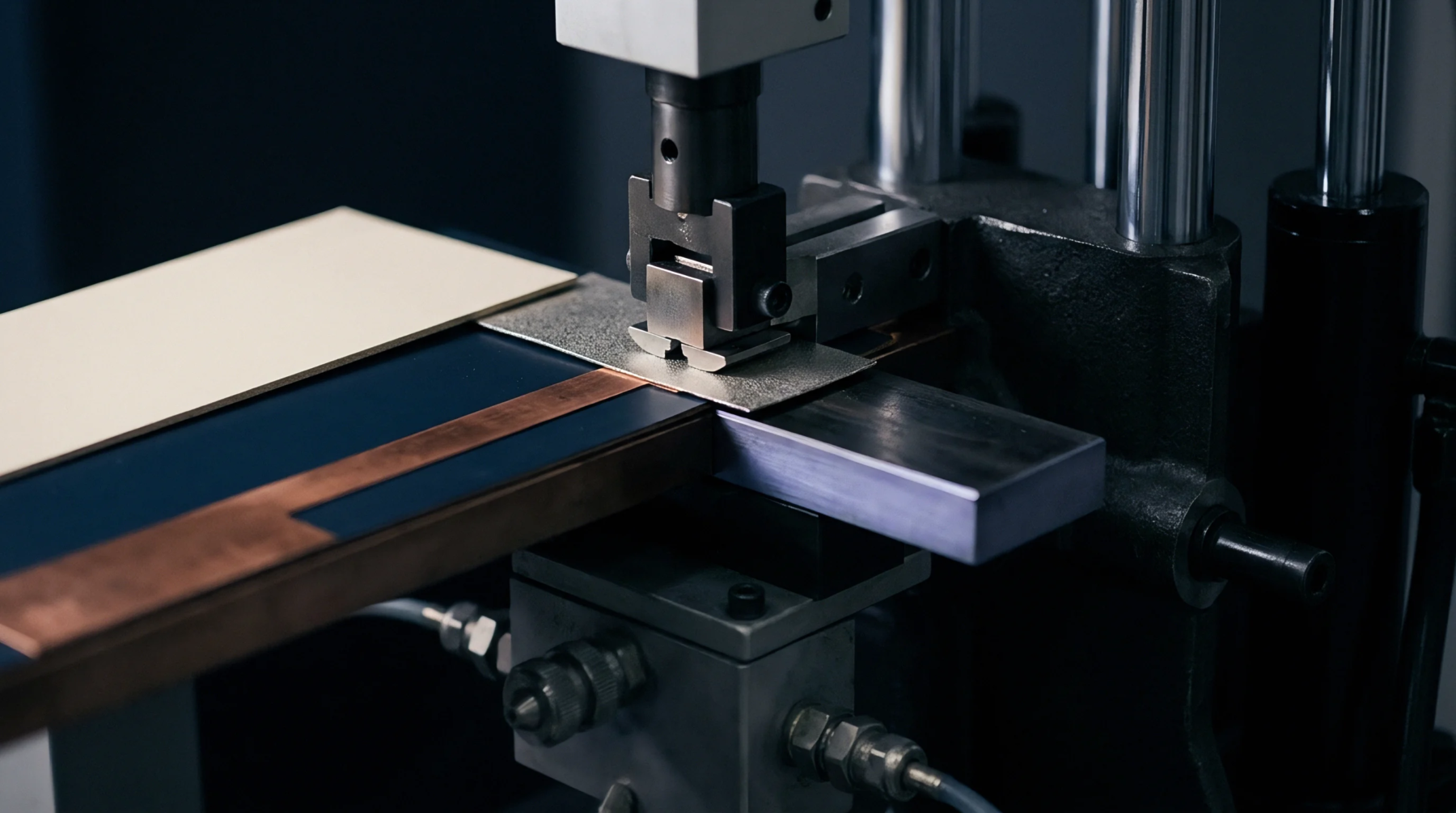
Lamination Defect
Formation of pockets of air or empty space inside a pressed laminate occurs when the volume of epoxy resin is insufficient to fill the gaps between copper conductors. This structural failure, known as resin starvation voiding, compromises the electrical insulation and mechanical bond of the multilayer board. It usually appears adjacent to thick copper traces or dense conductor patterns.
Fabricators check for this defect using thermal stress tests and microsection examination.
Causative Agent
Inadequate resin percentage in the prepreg plies combined with excess lamination pressure drives the epoxy out of the stack. This combination creates resin starvation voiding by removing the protective bonding material. Dense layouts with thick copper lines increase the risk of this defect if the glass style lacks sufficient resin.
Prevention Strategy
Optimizing the PCB layup design and adjusting the lamination profile are the primary methods to eliminate internal gaps. Using prepreg styles with higher resin content, such as 1080 or 2116, provides the necessary volume of liquid epoxy to seal complex copper layouts. Fabricators can also tune the press temperature curve to delay the pressure application until the resin’s viscosity starts to rise.
This careful timing prevents the liquid resin from escaping prematurely. Post-lamination scanning with acoustic microscopy or visual backlighting checks panels for these internal dry spots. Eliminating these voids ensures that the printed circuit boards can withstand assembly reflow temperatures without delaminating.