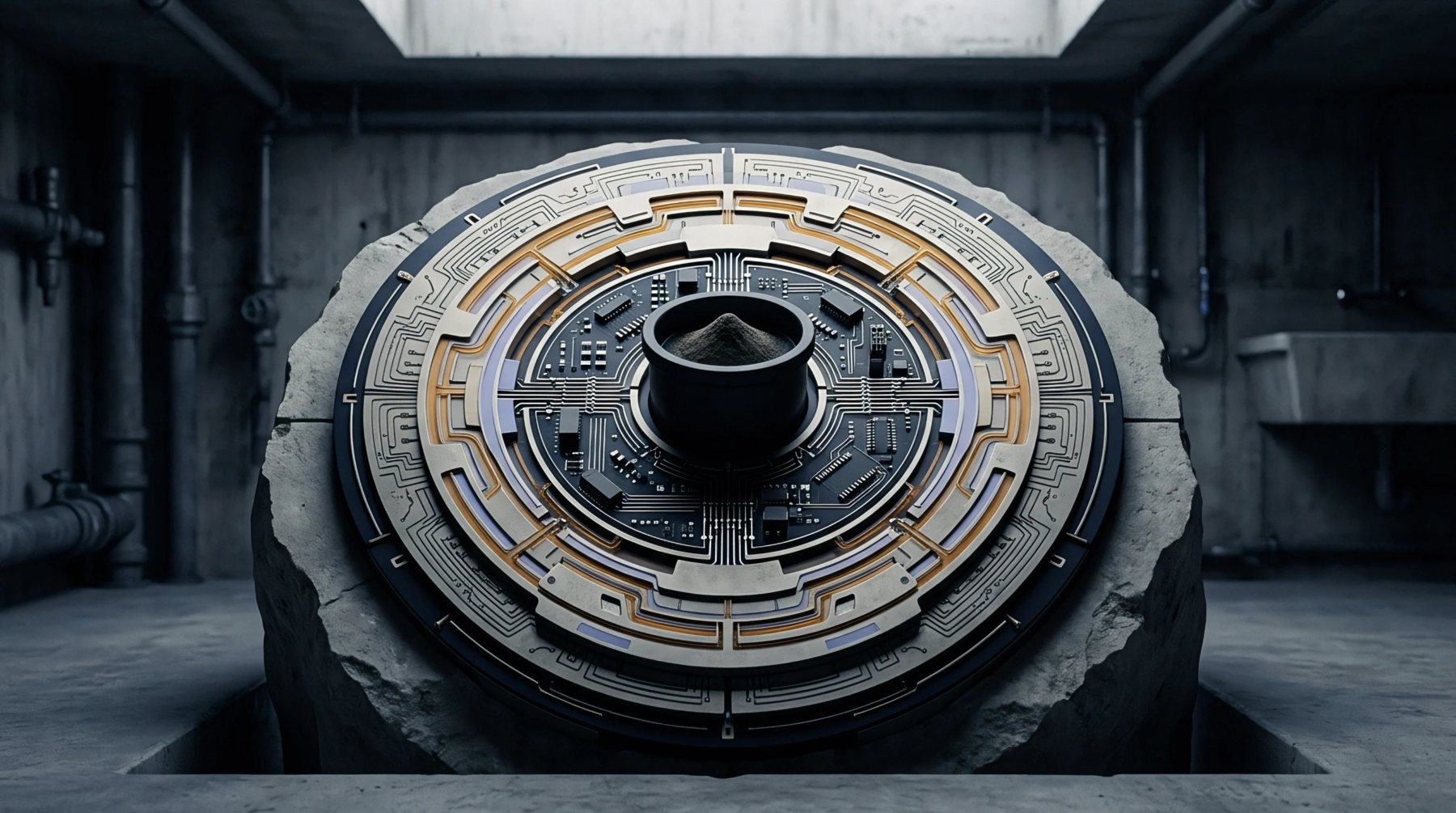
Layer Construction
Manufacturing processes that add dielectric and conductive layers one at a time to a central core allow for the creation of very complex interconnection patterns. Unlike traditional lamination where all layers are pressed at once, sequential build up involves multiple cycles of coating, imaging, drilling and plating.
Microvia Formation
Every cycle of sequential build up requires the imaging system to align with the features already present on the board. This necessitates a high degree of dimensional stability in the core material to prevent registration errors from accumulating. Laser drilling is used to create connections between the new layer and the one immediately below it.
Because the layers are added in stages, the manufacturer can inspect the work at each step and ensure the quality of the internal connections.
Structural Complexity
The number of cycles possible is limited by the thermal stress that the core can withstand during repeated exposure to lamination temperatures. A sequential build up that involves too many stages can lead to material degradation or increased warpage. Designers use this technique to reduce the thickness of the board while increasing the number of available connections.
The final product is a highly integrated structure that supports high speed processors. Every step must be monitored to maintain the integrity of the vertical stack.