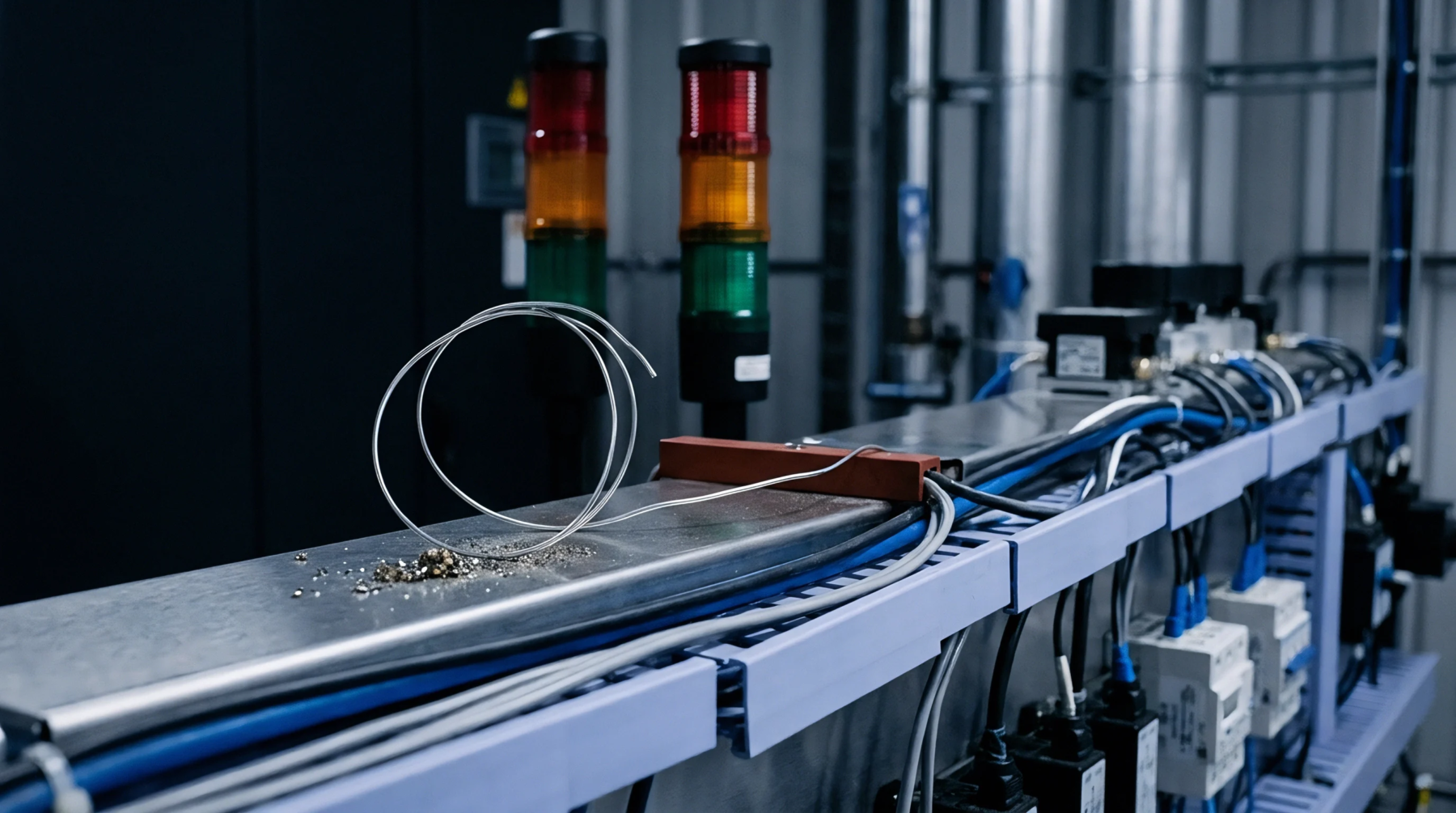
Manufacturing Waste
Production run initialization generates sacrificial material losses during the alignment, calibration, and stabilization of automated printed circuit board assembly lines. Solder paste printing adjustments, pick-and-place feeder tape threading, reflow profiling, and wave soldering balance checks inevitably create setup scrap before mass assembly starts. These non-recoverable losses include trimmed component leads, spent splice tape tails, stripped carrier sections, and raw test boards damaged by iterative thermal profiling runs.
Because high-volume surface mount lines need continuous component feeds, loading new reels forces technicians to discard components sitting in the carrier tape lead-in section. Contract electronics manufacturers track this loss metric carefully to calculate total yield percentages and accurately quote build prices.
Generation Mechanisms
Calibrating a surface mount line requires real physical media to verify squeegee pressure, print registration, and paste release from stencil apertures. Engineers run unpopulated sacrificial circuit boards through the screen printer, cleaning off misprinted solder paste or discarding compromised substrates until print thickness tolerances match specifications. Pick-and-place systems require component presence checks, meaning mechanical feeders discard several passive parts to reach properly aligned cavities.
Reflow profiling consumes additional production panels, running them through multiple thermal cycles with attached thermocouples to map temperature gradients across heavy BGAs and delicate chip resistors. The cumulative effect of these initial setup procedures burns bill-of-materials stock without producing sellable, quality-conforming finished assemblies.
Control Limits
Production batch volume directly shapes the cost impact of these startup materials, as fixed initialization losses represent a high percentage of small prototype runs but disappear into overall yields on runs of ten thousand panels. Automated optical inspection routines catch early placement errors, letting operators correct feeder offsets before mass component loss occurs. Profile simulation software and reusable calibration boards reduce the need to destroy raw production laminates during thermal verification cycles.
Setup scrap applies strictly to the startup phase of production, separating initialization waste from steady-state manufacturing fallout, rework rejections, and board failures caught at final in-circuit functional testing.