Structural Robustness
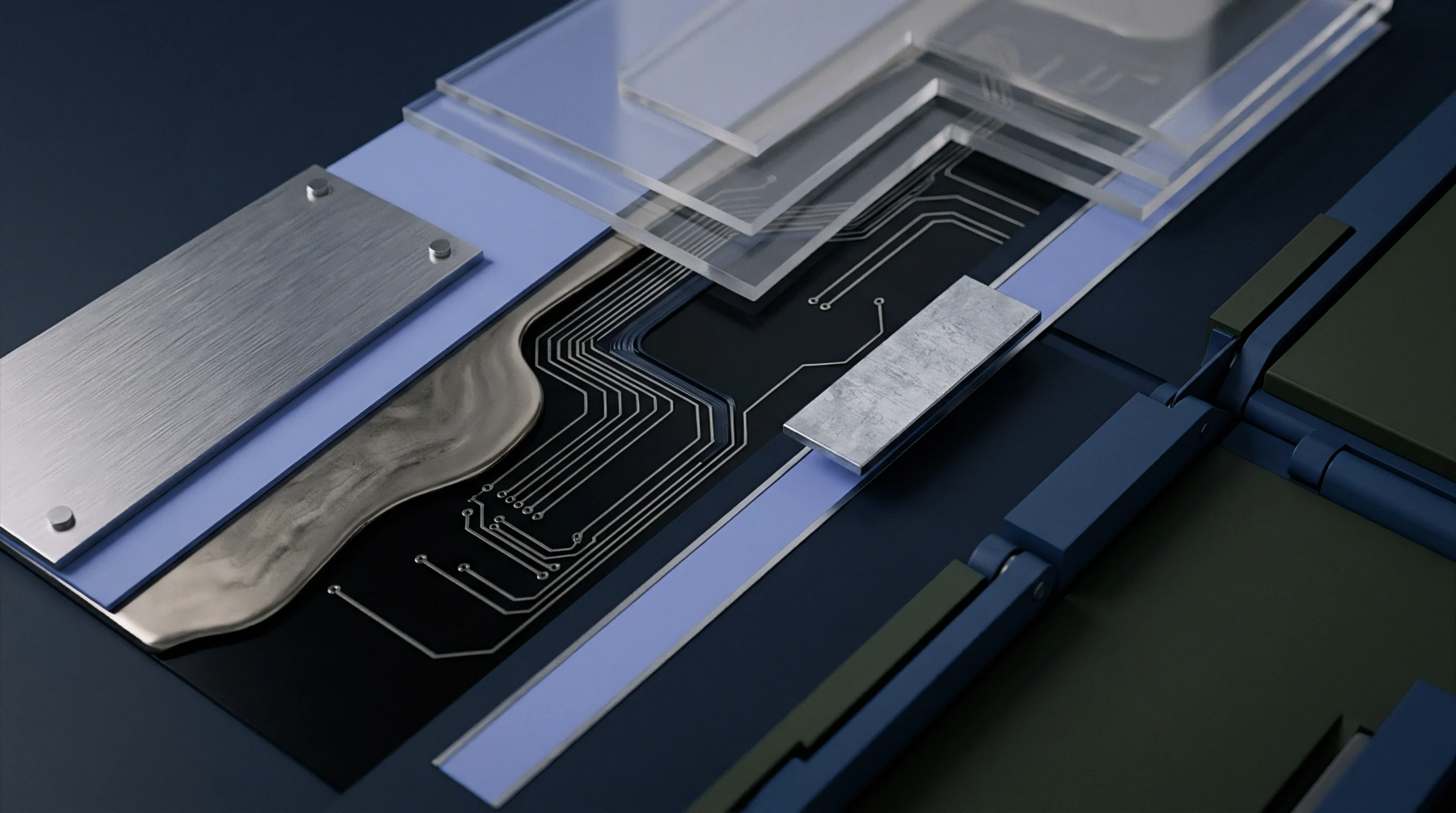
Mechanical and electrical soundness across metallized component connections governs the long-term operational performance of printed circuit board assemblies. Evaluating solder joint integrity involves verifying intermetallic compound layer thickness, fillet geometry, wetting angles, and internal void ratios against IPC-A-610 standards. Acoustic microscopy, X-ray inspection, and mechanical shear testing confirm that interconnects can endure thermal expansion shock and mechanical shock loads over the operational lifespan.
Defective joints displaying insufficient wetting or gross voiding risk intermittent electrical opens and mechanical detachment under operational stress.
Microstructural Evolution
Intermetallic compound growth between lead-free solder alloys and copper pad metallizations controls interfacial strength across component life cycles. Continuous thermal exposure accelerates brittle copper-tin intermetallic phase growth, which acts as a primary crack initiation site under mechanical fatigue. Excess voiding within the solder bulk disrupts current distribution, increases local electrical resistance, and concentrates shear strain along pad interfaces during temperature cycling.
Controlling reflow temperature profiles and selecting optimal flux chemistries limits void formation and promotes stable intermetallic formation across all surface mount connections.
Reliability Consequence
Inadequate interconnect strength leads to fatigue cracking, electrical opens, and field failures under continuous thermal cycling. Ensuring compliant fillet profiles and low internal voiding extends assembly operating life in high-reliability automotive and aerospace environments.