Alloy Mass
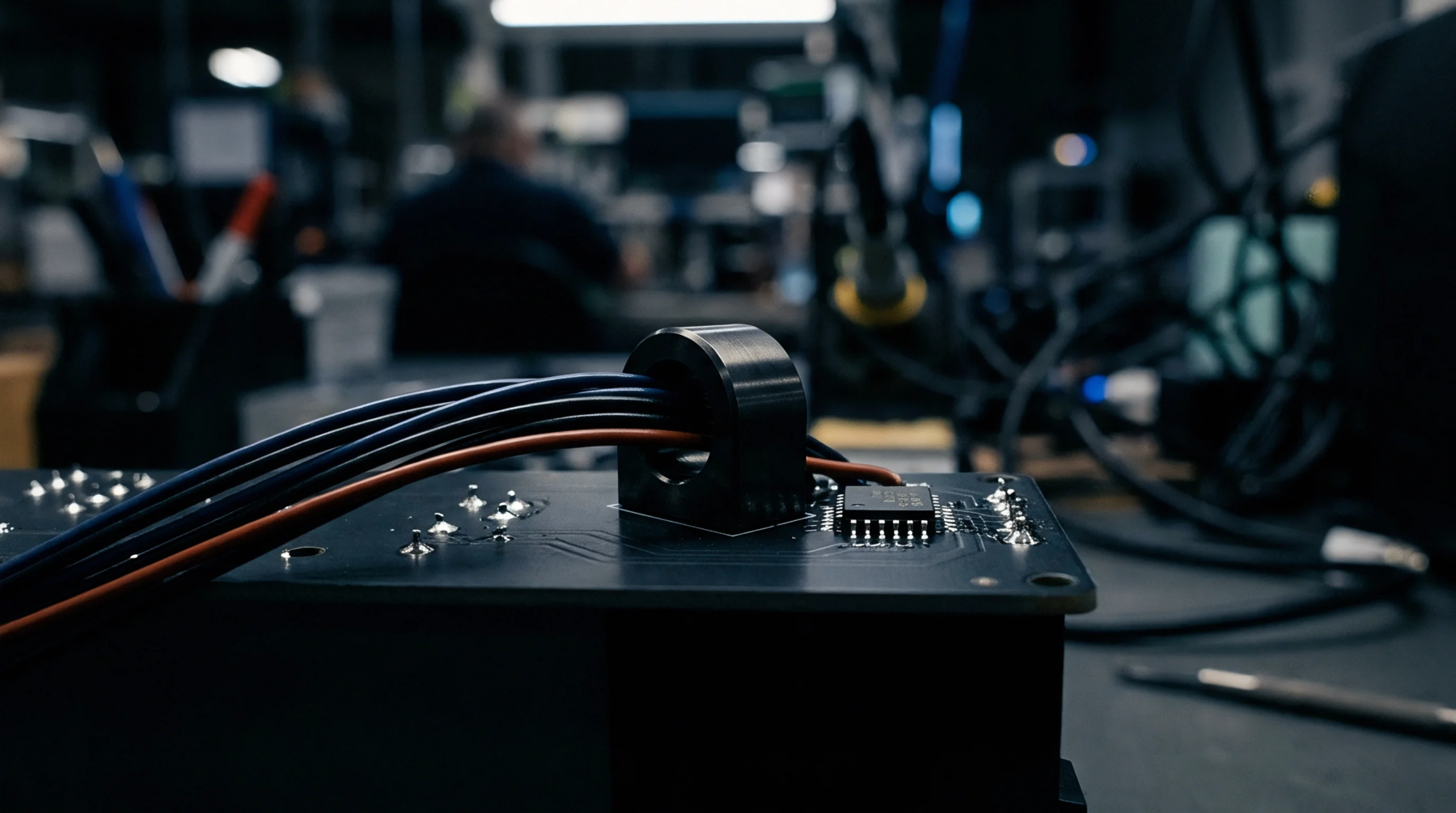
Solid geometric shapes of metal deliver precise volumes of filler material to specific circuit board locations during the assembly process. A solder preform arrives at the site as a stamped or molded piece of metal with a calibrated weight that removes the variability inherent in traditional paste deposition. These components function as the primary feed mechanism for high density connections where the local volume of filler determines the structural integrity of the final joint.
Designers select these units to address the limitations of stenciling in areas near thermal vias or beneath large power devices. Because the mass of the metal remains constant across every unit, the resulting fillet shape becomes predictable and repeatable under standard reflow conditions. Consistency in volume prevents the formation of bridging defects or insufficient connections on complex high power modules.
Thermal Regulation
Heat transfer within the assembly depends on the exact contact area and material composition provided by these solid shapes. Once the reflow profile reaches the liquidus temperature of the alloy, the piece collapses into a uniform meniscus around the component lead. This behavior compensates for the inconsistent wetting often found on large ground planes or thick copper boards.
Controlled melting prevents the excessive flow of liquid metal onto adjacent pads that often occurs when manual wire feeding or excessive paste amounts create bridges. Technicians analyze the voiding potential by inspecting the cross section of the finished connection after the cooling cycle. Minimal gas entrapment within the joint indicates that the dimensions of the metal piece and the heating profile match the geometry of the target pad.
Placement Accuracy
Automated pick and place equipment handles these metal shapes with the same suction nozzles and vision alignment protocols used for surface mount components. Manufacturers orient the metal unit on the target landing pad prior to placing the electronic part, creating a sandwich configuration that locks the volume in place. Verification of the placement occurs through optical inspection systems that confirm the alignment of the metal against the edges of the copper circuit trace.
If the metal piece shifts during the transfer into the reflow oven, the final joint displays an asymmetrical fillet or an open circuit at the termination point. Proper fixture calibration ensures that the movement of the metal does not disturb the component alignment. Uniform geometry across every component allows for the mass production of power electronics with minimal rework.