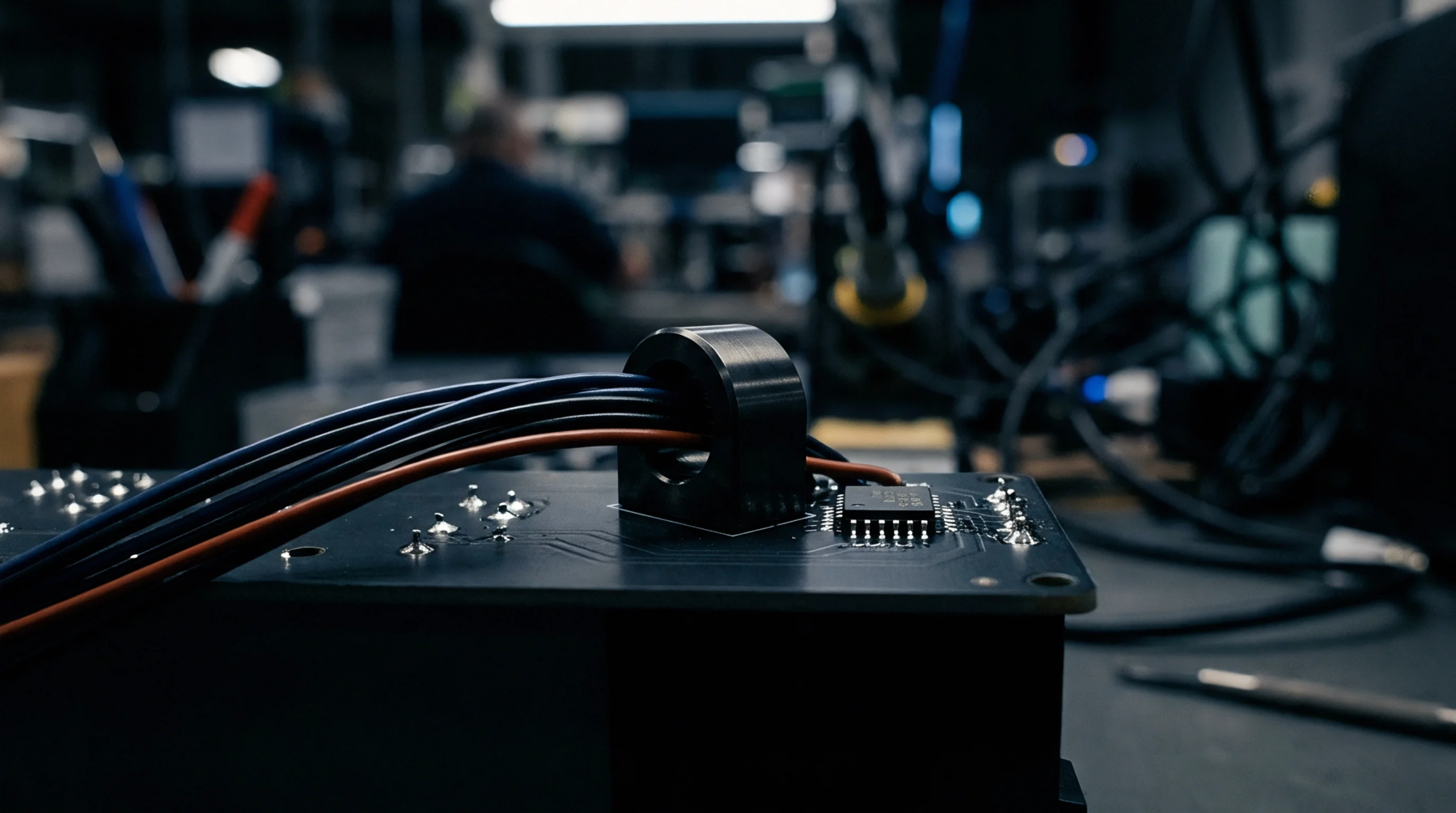
Internal Pressure
Internal pressure dynamics involve the rapid transition of liquid water into a gaseous state, creating mechanical stress inside a sealed electronic package during reflow. As temperatures climb past the boiling point, steam expansion pressure builds up within any microscopic voids or at the material interfaces. If this pressure exceeds the adhesive strength of the mold compound, the package will bulge or crack in an event known as the popcorn effect.
This physical phenomenon is the primary reason for the strict handling requirements for moisture sensitive devices.
The Magnitude
The magnitude of the steam expansion pressure is a function of the peak temperature and the amount of water absorbed by the plastic. At common lead free reflow temperatures of 260 degrees Celsius, the internal pressure can reach several megapascals. This force is sufficient to delaminate the epoxy from the lead frame or the silicon die.
Engineering models use these pressure values to design more robust packages that can vent the gas or resist the expansion.
Structural Integrity
Structural integrity is maintained only if the package remains dry enough to keep the pressure below the material’s fracture limit. Baking the parts before assembly is the standard method for reducing the available water and preventing this internal stress.