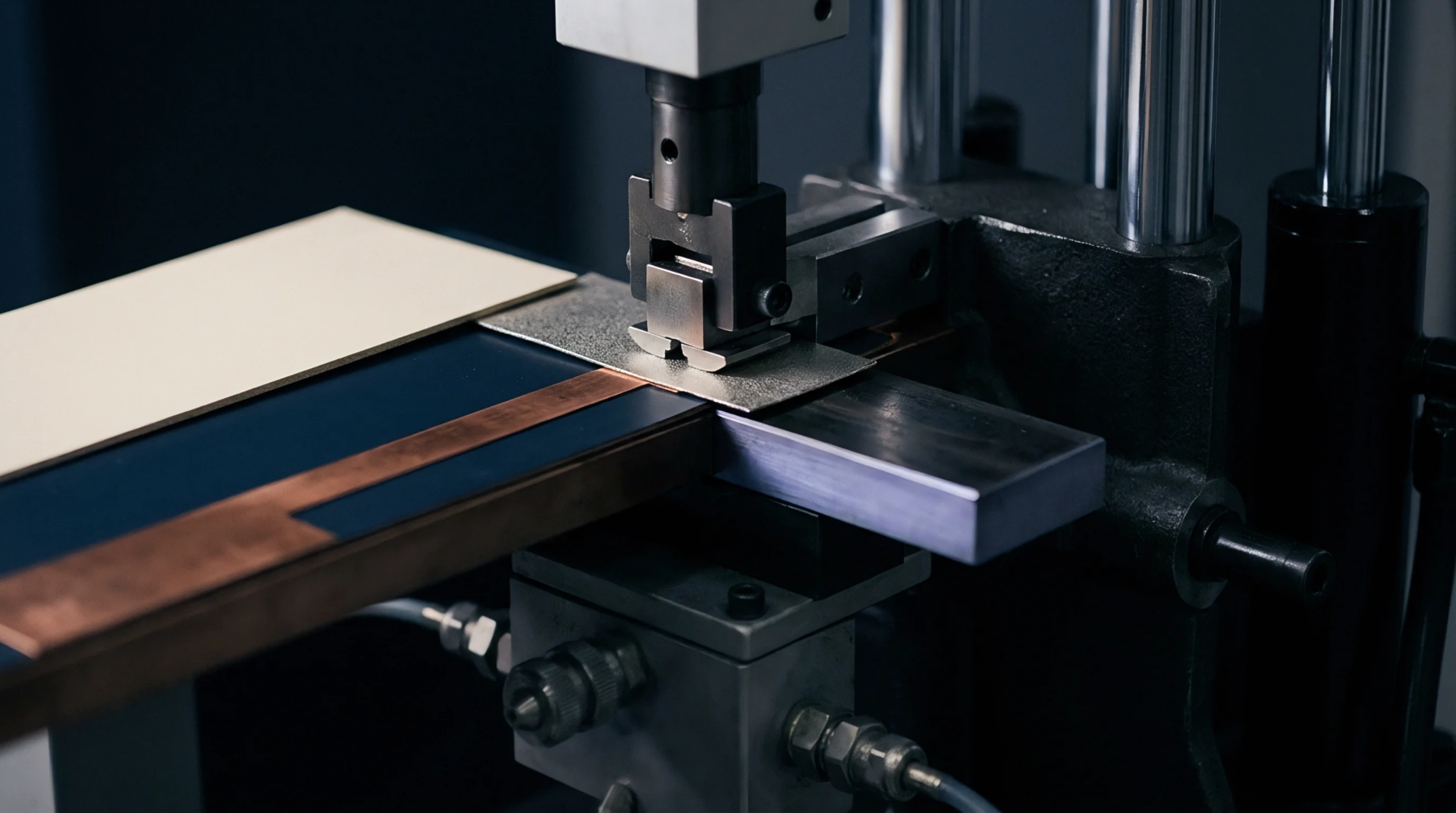
Friction Resistance
Mechanical contact between a drill bit and a printed circuit board substrate dictates the efficiency of material removal during the high speed drilling phase. Stopping power in this context defines the cumulative force required to maintain constant penetration velocity as the carbide flute shears through heterogeneous composite layers. Thermal expansion of the resin matrix during the process alters the internal pressure applied to the cutting edge, which modifies the work output required to clear the hole.
Lubricity and abrasive fillers within the laminate determine the wear rate of the tooling assembly.
Material Load
Laminate stacks containing high glass transition temperature resins demand greater energy input to achieve consistent through hole wall quality compared to standard epoxy variants. A drill bit experiences increased lateral deflection when it encounters zones of high fiber density or uneven reinforcement distribution. Variations in the coefficient of thermal expansion between the copper foil and the dielectric layer introduce harmonic vibrations that fluctuate the feed force required to sustain the drilling cycle.
Monitoring the spindle torque provides an indirect observation of these internal resistances.
Acceptance Criteria
Inspection of the finished barrel surface identifies microscopic scoring or smearing that indicates insufficient cutting force relative to the substrate density. Drill bits exceeding their recommended hit count demonstrate dulling that shifts the mechanical interaction from shearing to rubbing, which prevents clean cutting and creates localized heat zones. Thermal degradation of the resin indicates a failure to maintain optimal pressure levels during the transition from glass weave to resin rich regions.
Proper calibration of the machine feed rate ensures that the physical resistance remains within the tolerances specified for the board construction.