Registration Method
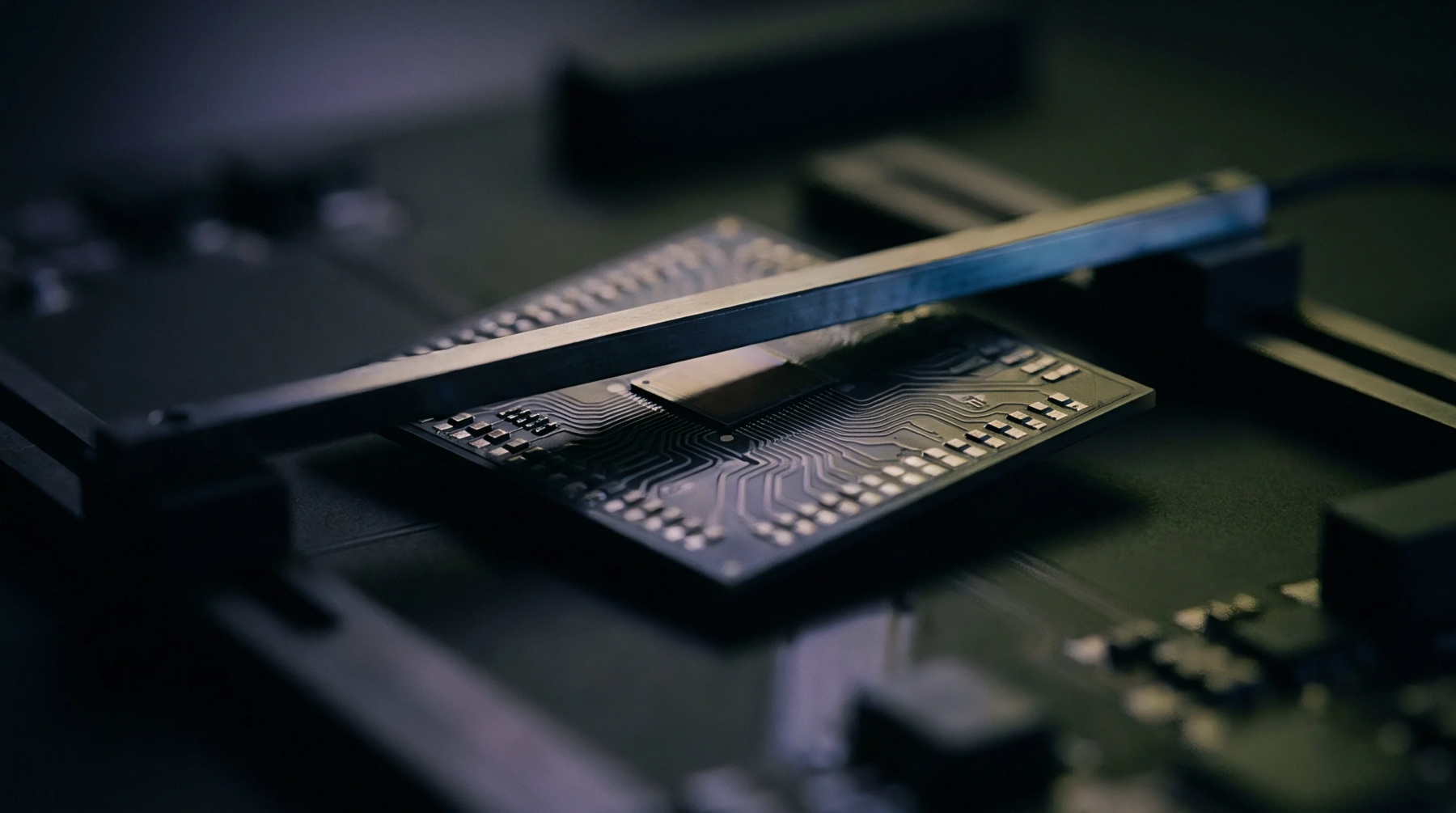
A visual feedback process utilizes high-resolution cameras and physical fiducial marks on a printed circuit board to ensure precise positioning during fabrication and component assembly. Achieving target optical alignment is necessary to align the solder paste stencil with the copper pads and to guide the placement nozzle during high-speed component mounting. This system prevents solder joint defects such as bridging and tombstoning by eliminating manual positioning errors.
Algorithmic Step
The optical system locates the primary and secondary fiducials on the board surface and measures their coordinates relative to the machine’s reference frame. Machine vision algorithms calculate any rotational or translational offset and automatically adjust the position of the PCB support table. This calculation occurs in milliseconds, allowing the stencil printer or pick-and-place head to make sub-micron corrections for each board.
If a board has warped during previous thermal cycles, the system adjusts the scaling of the placement coordinates to compensate for the distortion. This real-time tuning secures high yields on complex assemblies like fine-pitch ball grid arrays.
Operational Limit
Overall precision decreases if the fiducial copper pads are tarnish or if the solder mask encroaches on the alignment marks. If the camera cannot clearly distinguish the shape of the marker, the system generates a registration error. This vulnerability requires regular cleaning of the stencils and stenciling masks.