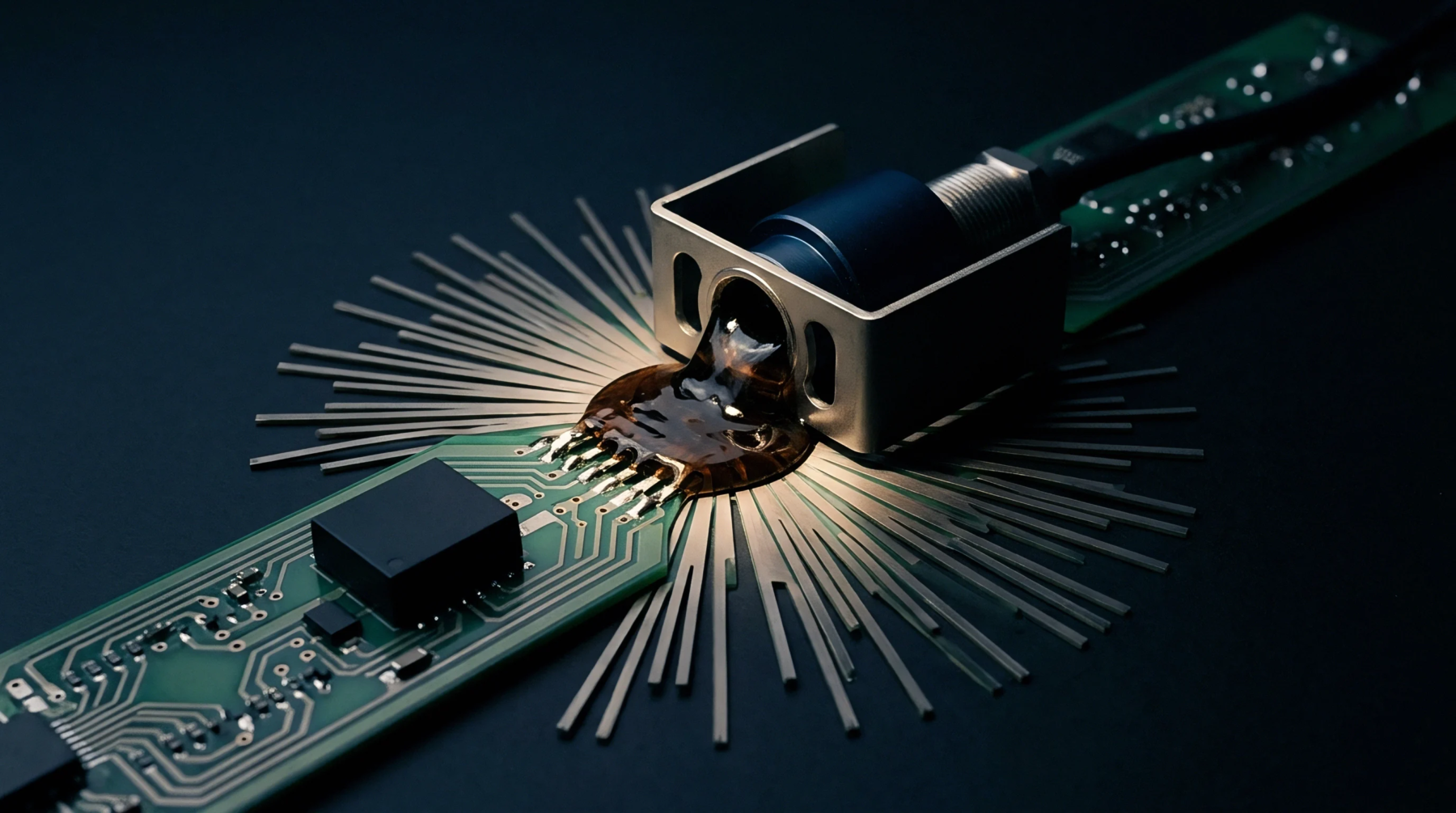
Expansion Correction
Adjustment of machine coordinates accounts for the dimensional changes in materials caused by temperature fluctuations during the manufacturing process. Thermal compensation ensures that placement heads and drilling spindles remain aligned with the target features as the machine frame or the substrate expands. This process relies on sensors that monitor the ambient air and the temperature of the internal components.
The correction stops when the equipment reaches a stable operating temperature or when the environmental controls maintain a constant state.
Dynamic Alignment
Precise alignment of fine-pitch components requires the system to calculate the offset for every move. In thermal compensation, the controller applies a mathematical scaling factor to the original design files to match the current physical state of the board. Printed circuit boards have a coefficient of thermal expansion that differs from the steel or granite of the machine.
This mismatch would lead to misaligned solder deposits or off-center component placement if not corrected in real time. The software uses linear and non-linear models to predict how the board stretches along its length and width. Because the expansion is not always uniform, the system may need to adjust the rotation and the scale independently.
This capability is mandatory for modern assembly lines producing miniaturized mobile electronics.
Production Stability
Verification of the system involves checking the registration of fiducial marks at the start and end of a production run. If the thermal compensation is working, the placement accuracy should remain within the specified microns regardless of the time of day. Continuous operation is possible without frequent manual recalibration.
Such stability allows for the reliable assembly of complex boards over long shifts.