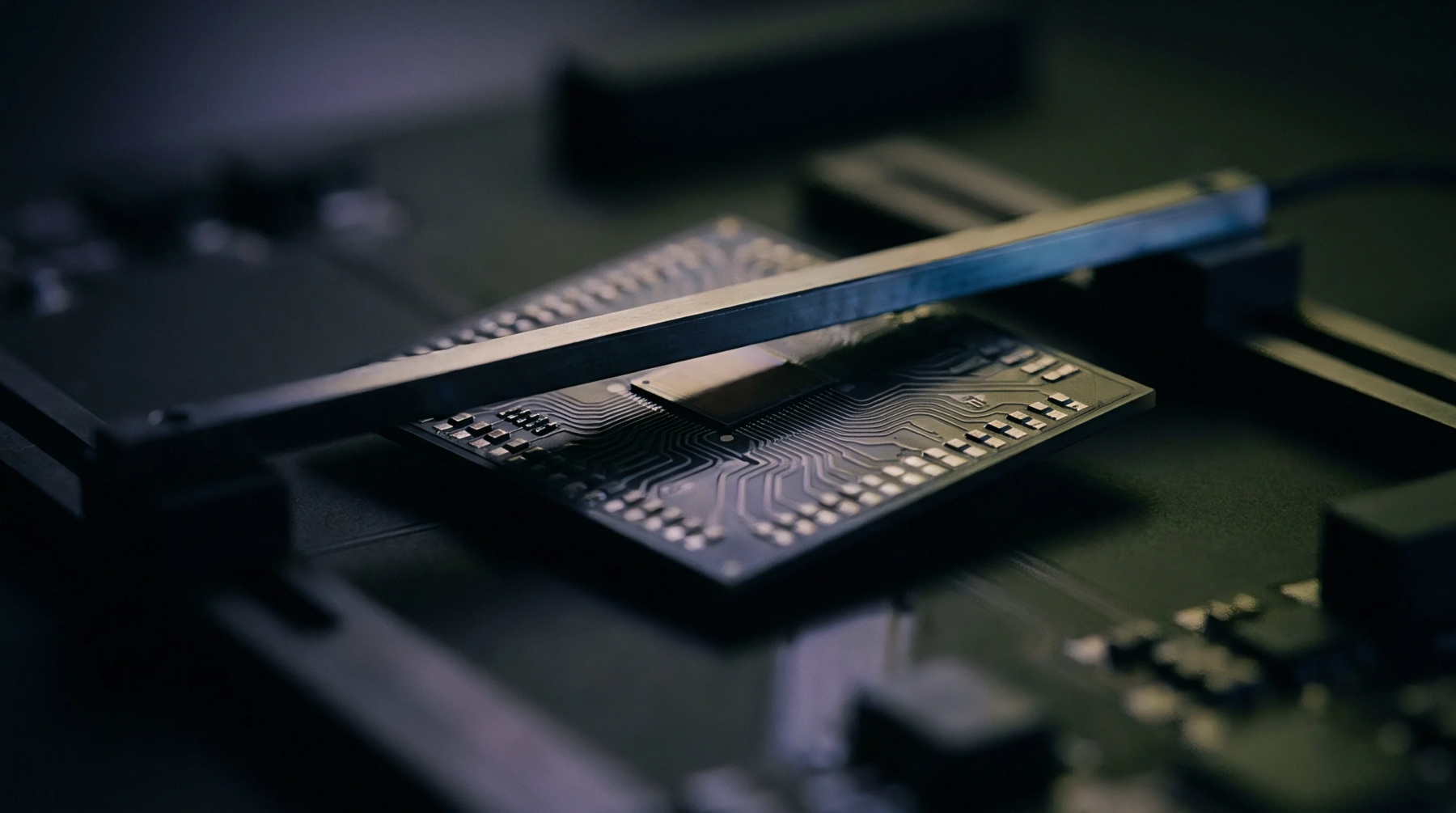
Heat Distortion
Structural distortion of electronic assemblies during thermal processing results from mismatched coefficient of thermal expansion values between materials. In printed circuit board manufacturing, thermal deformation alters substrate flatness and component seating geometries as assemblies pass through reflow soldering ovens. Organic substrate laminates expand at higher rates than ceramic or silicon components, generating bending moments that warp the assembly at elevated reflow temperatures.
Optical profiling tools measure board warpage in real time to quantify z-axis dynamic movement across temperature profiles.
Assembly Defect
Mechanical bowing and twisting during reflow lead to severe assembly defects in high-density surface mount packages. Excessive thermal deformation lifts corner leads of fine-pitch components away from solder paste pads, causing open solder joints or head-in-pillow defects. Ball grid array packages experience localized dynamic warpage, squeezing middle solder balls together into electrical shorts while corner joints fail to bridge.
In-situ 3D optical profilometry evaluates dynamic board warpage across room temperature and peak reflow conditions according to IPC-1791 guidelines. Process engineers adjust reflow temperature ramp rates and utilize board support fixtures to limit substrate deflection during assembly runs.
Material Limit
High-glass-transition laminate materials reduce warpage magnitude but cannot eliminate expansion mismatches between silicon dies and organic substrates. Asymmetric copper layer distribution inside multi-layer printed circuit boards worsens dynamic distortion during thermal cycling.