Physical Imbalance
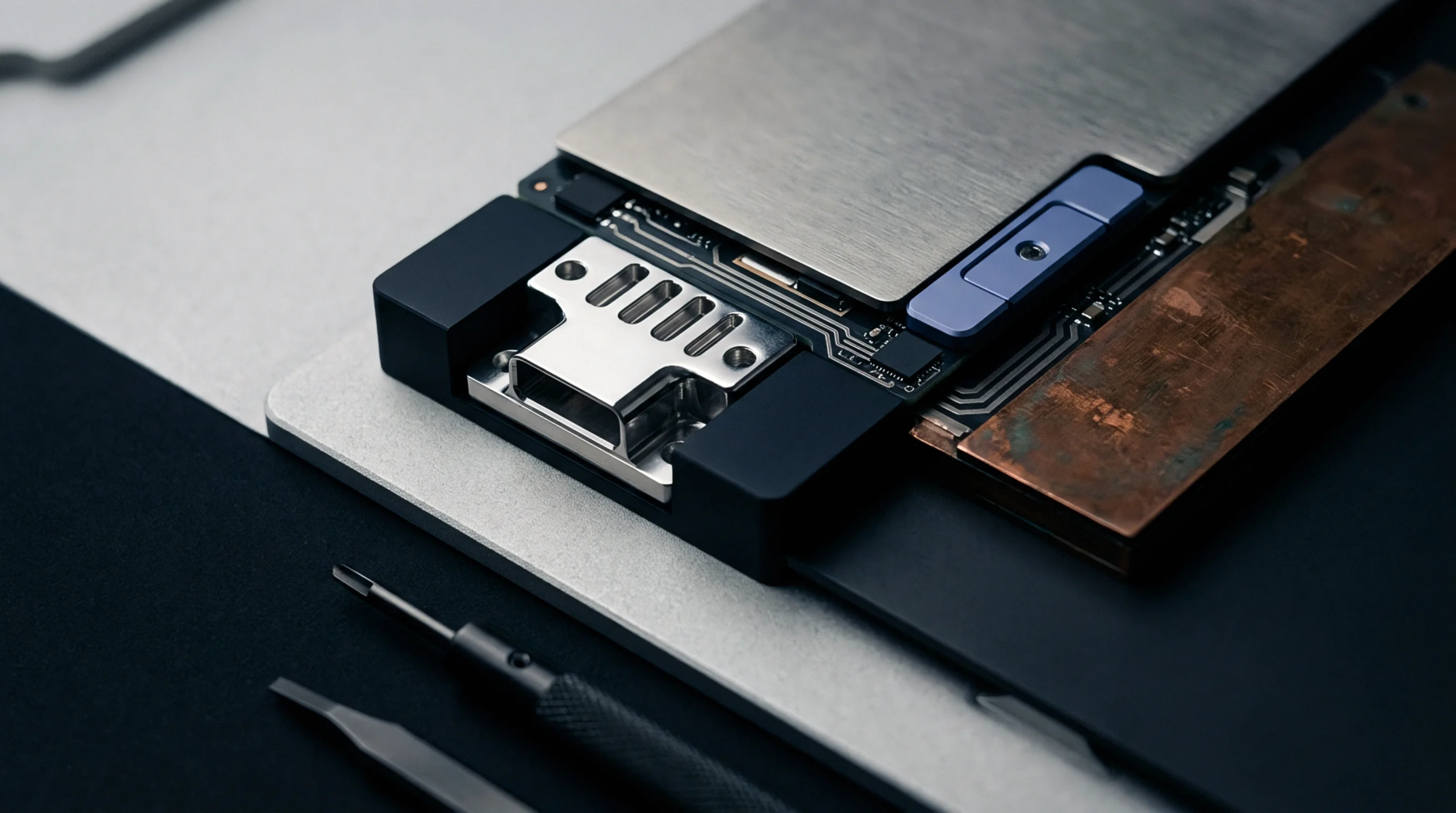
Condition where the heat capacity is unevenly distributed across a board or around a specific component leads to non-uniform heating rates. Thermal mass asymmetry is often found in designs where a large ground plane is connected to only one pad of a small surface mount resistor. This disparity causes one side of the component to heat up much faster than the other.
Wetting Disparity
Solder on the pad with lower thermal mass will liquefy first, creating a surface tension force that can pull the component upright. If thermal mass asymmetry is not addressed, the resulting tombstoning defect will require manual rework. This effect is also observed in large connectors where the internal pins have different copper connections than the outer pins.
Balanced heating is required to ensure that both ends of a device reach the liquidus temperature at the same time.
Layout Compensation
Designers use thermal relief traces to decouple large copper areas from individual pads and reduce the local heat sinking effect. Incorporating these features helps to mitigate thermal mass asymmetry and improves the solderability of the board. Adding dummy copper pads or traces can also help balance the heat distribution in sparse areas of the layout.
Proper design at the board level reduces the reliance on complex oven profiles.