Rotational Correction
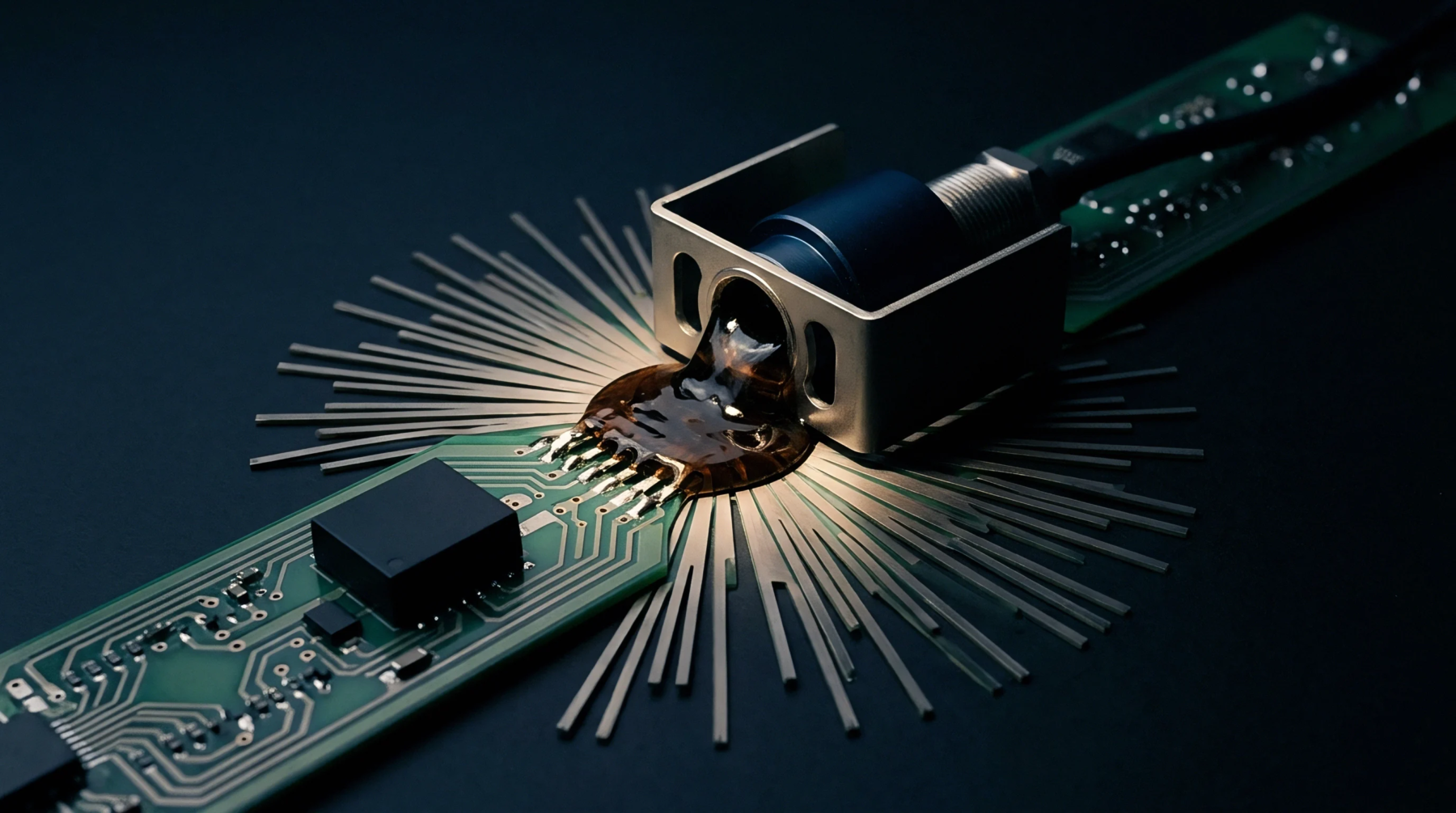
Angular coordinate adjustment executed around the central vertical axis of an automated placement spindle brings a picked component into alignment with board land patterns. Within high-speed surface-mount assembly equipment, theta alignment neutralizes rotational skew induced during tape feeder extraction, vacuum pickup, or nozzle carriage acceleration. The motorized rotation correction orients component leads or array terminations to match the angular orientation of copper landing footprints on the printed wiring board.
Modern placement heads perform this rotation dynamically in flight, turning the nozzle spindle during transit between optical centering cameras and board coordinates.
Spindle Kinematics
Angular orientation control uses precision direct-drive rotary actuators or micro-stepper motors integrated directly into each spindle of a multi-nozzle pick-and-place head. Machine vision cameras measure the baseline angular orientation of the component underside, comparing the component axis to the mechanical reference axis of the placement system. The control system calculates the angular offset, designated as theta, and commands the spindle rotary drive to turn through a corrective angle.
Small-footprint passive devices require alignment tolerances within one degree of nominal orientation, whereas ultra-fine-pitch quad flat packages and high-pin-count ball grid arrays require angular placement accuracy down to hundredths of a degree. Failure to achieve correct theta alignment causes heel and toe misalignments along outer pin rows, resulting in solder bridging, short circuits, or insufficient joint width under IPC-A-610 criteria. High rotational acceleration can generate inertial slippage between the component package and the nozzle tip if vacuum seal friction is insufficient.
Spindle encoder feedback verifies that angular velocity curves do not overcome nozzle grip forces, ensuring the component retains its corrected angular position through final deceleration.
Acceptance Tolerance
Verification of rotational accuracy occurs during machine capability studies using glass reference panels and automated optical measurements. Equipment acceptance hinges on achieving process capability indices exceeding 1.33 for angular positioning across standard package variations. When printed circuit boards experience panel skew during conveyor clamping, theta calculations incorporate board-level global fiducial adjustments, modifying spindle target angles to match localized circuit rotations before component release.