Particle Class
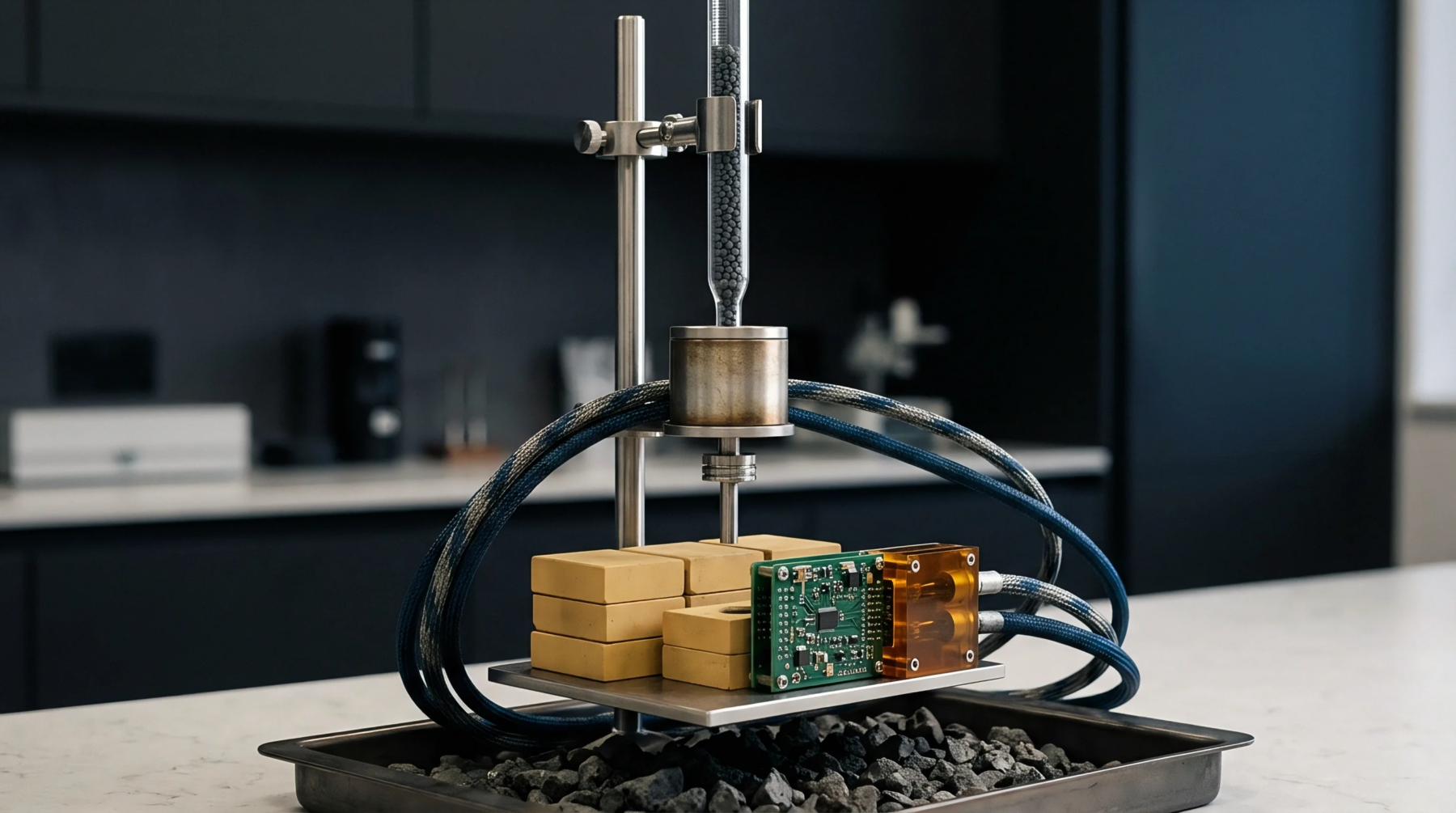
Microscopic spheres of metal used in solder paste are sorted by size to determine which density of component spacing they can support successfully. This type 4 solder powder consists of particles ranging from twenty to thirty eight microns in diameter. Smaller sizes allow for deposition through narrower apertures without clogging the stencil.
This makes it appropriate for fine pitch components like smaller ball grid arrays. Using a finer powder increases the surface area exposed to potential oxidation during the reflow process.
Volume Distribution
Reliable transfer of material onto the pads depends on a minimum number of spheres being present across the smallest dimension of the hole. For type 4 solder powder designs, standard practice requires enough space for multiple spheres to stack across the width to prevent bridge gaps. If the particle size is too large for the stencil opening, release becomes erratic.
This leads to inconsistent volume across the array. Precise classification ensures every bit of paste follows the laws of fluid mechanics.
Stencil Release
Smooth evacuation of the paste from the aperture depends on the mechanical interaction between the foil walls and the spheres. Because type 4 solder powder has smaller individual masses than larger grades, it flows better around intricate corners. The adhesive force of the solder flux must be overcome by the surface tension of the pad.
If the transfer efficiency drops, rework becomes necessary. Maintaining correct particle size distribution is a fundamental requirement for high volume automated assembly.