Bulk Resistance
Electrical resistance through the body of an insulating material is measured as the ratio of the potential gradient to the current density within the medium. Volume resistivity indicates how well a PCB laminate prevents leakage current from flowing between internal layers or through the thickness of the core. This property is expressed in ohm-centimetres or ohm-metres and is a fundamental characteristic of the epoxy or polyimide resin system.
High values are required to ensure electrical isolation in precision analog circuits and high-voltage power electronics.
Impedance Degradation
Moisture absorption and temperature increases are the primary factors that lower the insulation quality of a substrate. As a laminate absorbs water from the atmosphere, the volume resistivity can drop by several orders of magnitude, leading to increased leakage and potential circuit malfunction. Thermal energy increases the mobility of ions within the resin matrix, which also contributes to a loss of resistance.
Testing is often conducted at high humidity and elevated temperatures to simulate the worst-case operating conditions. Long-term exposure to these conditions can lead to the growth of conductive anodic filaments which create permanent low-resistance paths.
Test Configuration
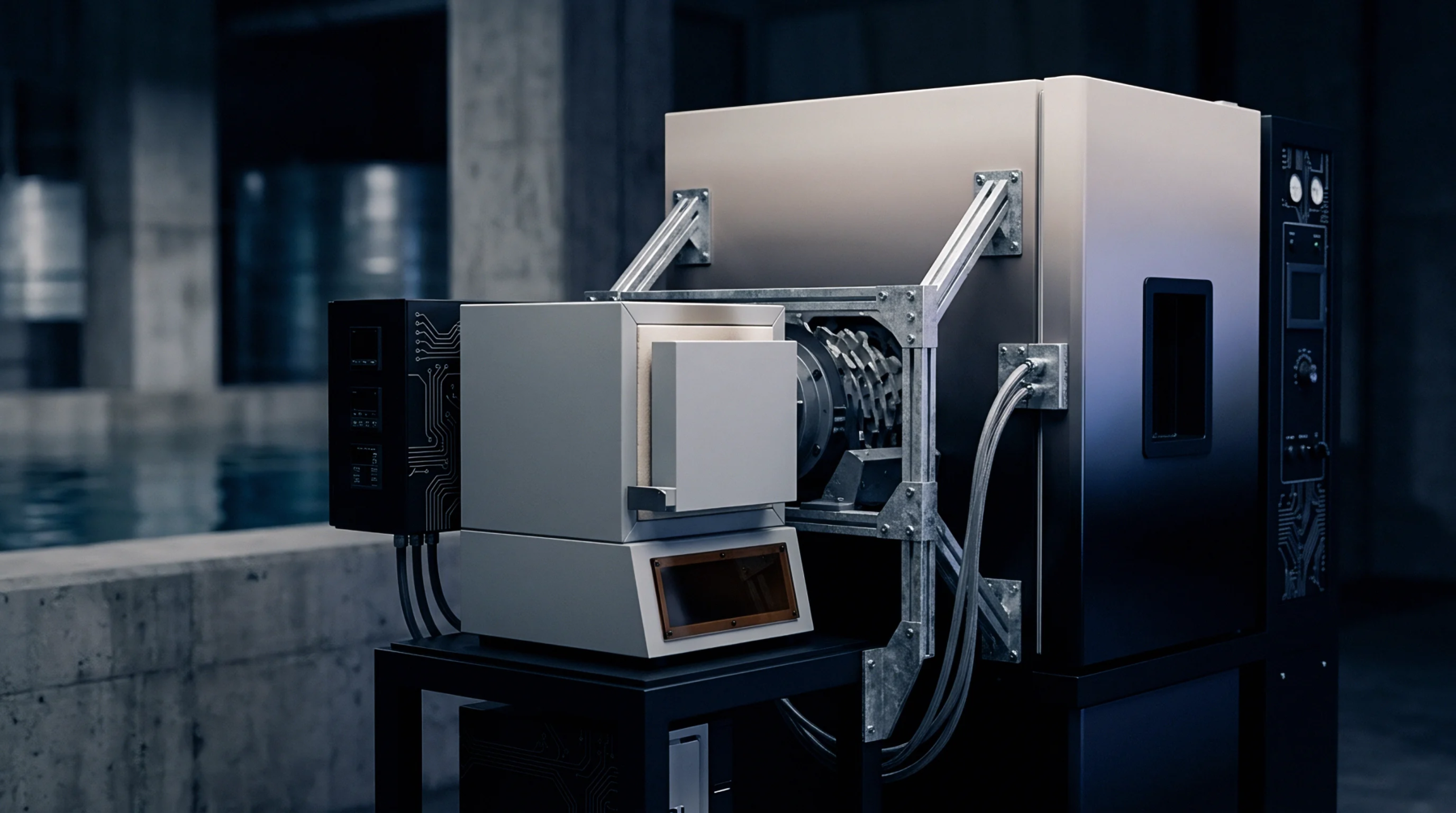
Standardized measurements use a guarded electrode system to separate the surface leakage from the current flowing through the bulk of the material. Applying a high-voltage DC potential for a fixed period allows the charging currents and polarization effects to dissipate before the final volume resistivity is recorded. Using a picoammeter ensures that the minute currents, often in the range of a few picoamps, are captured with enough resolution to calculate the resistivity accurately.
These measurements are used by material suppliers to guarantee the consistency of their resin batches and by fabricators to verify that the lamination process has fully cured the epoxy. Proper sample preparation is required to ensure that the electrodes make uniform contact with the surface and do not introduce air gaps that would skew the results.