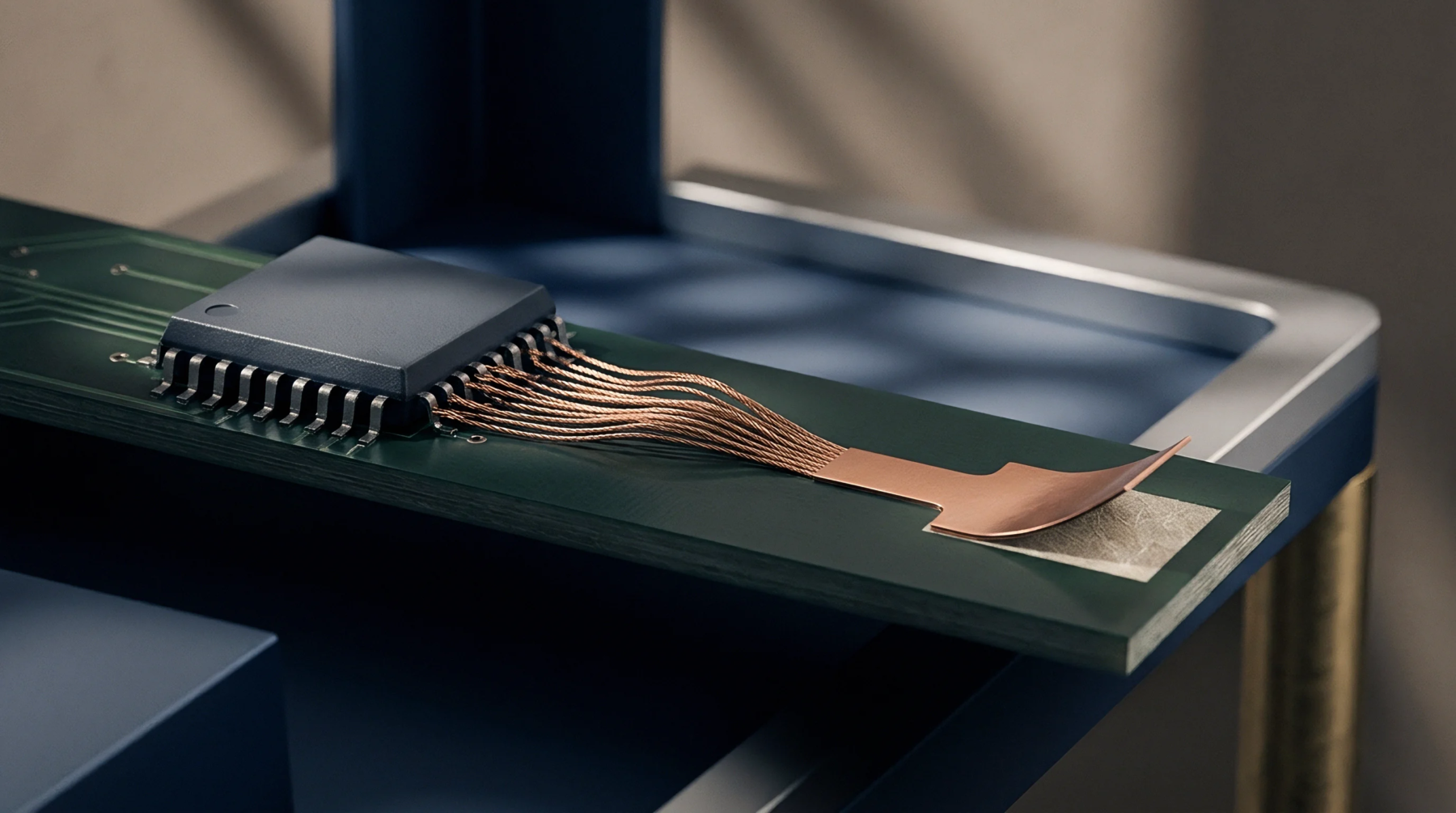
Surface Variation
Differences in the rate or extent of solder spreading across various pads on a single assembly describe a common challenge in achieving uniform joint quality. The wetting differential arises when some surfaces are more oxidized or have different finishes than others, such as a mix of gold and organic coatings. This variation can lead to unbalanced forces that pull components out of alignment.
Assembly Impact
Small chips are particularly susceptible to shifting or standing on end when one side of the component wets faster than the other. This wetting differential creates a surface tension imbalance known as the tombstoning effect. Factors such as uneven heating or variations in paste volume exacerbate the problem by widening the time gap between the two joints reaching a liquid state.
Controlling the thermal ramp rate is the primary method for minimizing these discrepancies.
Finish Selection
Boards with consistent surface finishes like electroless nickel immersion gold typically show less variation than those with hot air solder leveling. Measuring the wetting differential during process qualification helps determine if a flux is aggressive enough to clean all pad types equally. High-quality production relies on eliminating these differences to ensure that every connection forms at approximately the same moment.
Consistency across all pads reduces the need for manual inspection and rework.