Yarn Geometry
Woven fiberglass fabric styles categorized by standard weight specifications govern the thickness and resin capacity of dielectric layers in printed circuit boards. The 1080 weave represents a specific lightweight glass fabric woven from fine yarn bundles in both directions. It features a loose, open grid with relatively large gaps between the intersecting strands of glass.
These open windows accommodate a higher volume of resin during laminate pressing, which yields a finished thickness of approximately two and a half mils per ply.
Glass Effect
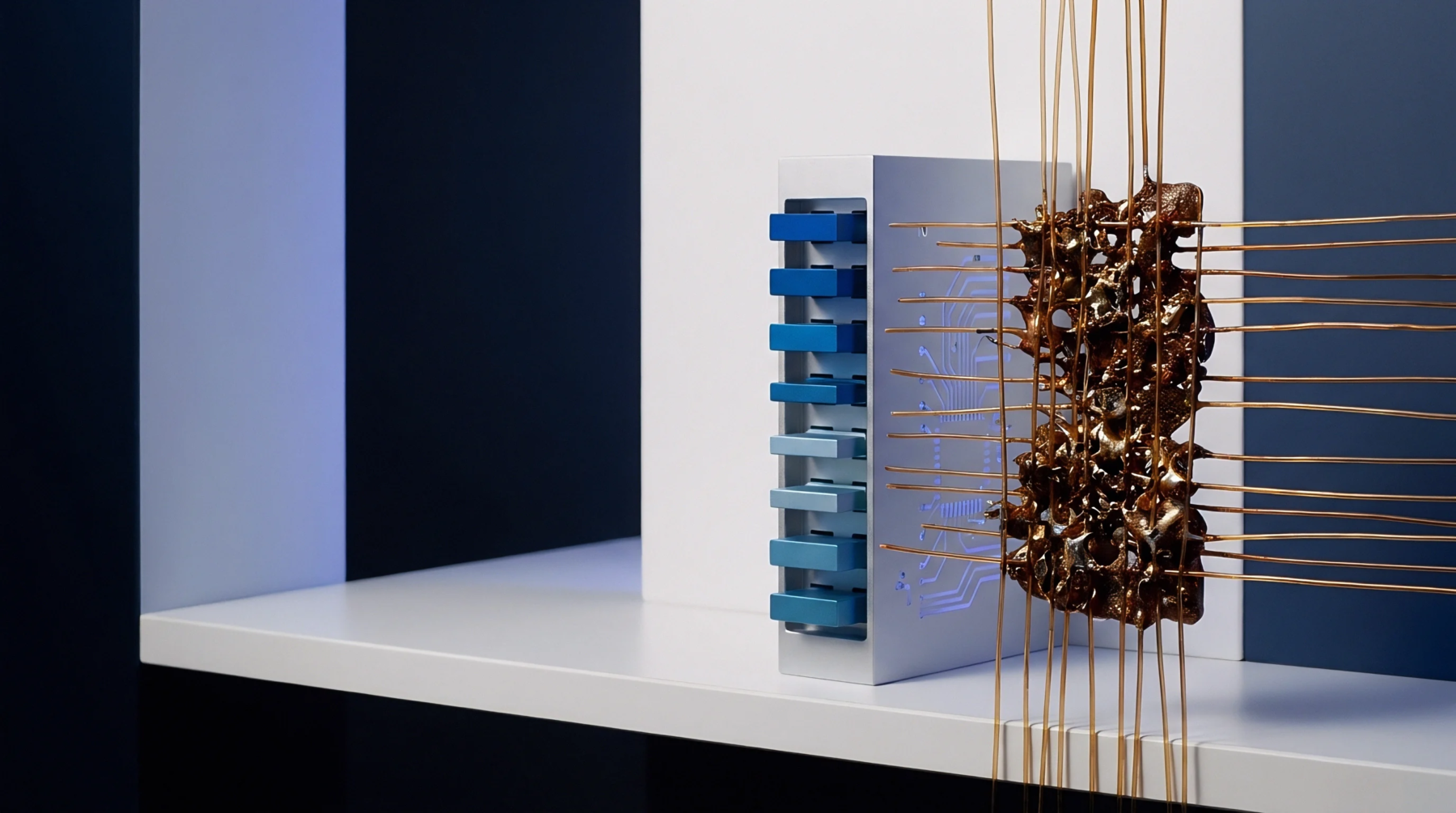
Structural variations in woven glass reinforcement styles influence the local dielectric consistency and signal integrity of high speed transmission lines. When signals travel through conductors running over a 1080 weave, they experience alternating regions of high glass concentration and high resin concentration. This spatial fluctuation causes the glass weave effect, which induces skew and phase jitter in differential signaling pairs due to the differences in relative permittivity between glass and resin.
It demands deliberate trace routing strategies such as jogging or angling traces relative to the glass fibers to average out the local dielectric constant across the circuit board. Using a tighter or spread style reduces this variation, whereas the open style under discussion remains suitable for less demanding impedance controls.
Prepreg Behavior
Physical properties of fine fiberglass grids affect the flow and fill characteristics of resin during the multi-layer lamination process. Applying the 1080 weave in high-density multi-layer boards ensures excellent resin penetration into complex trace patterns. It provides sufficient mechanical stability for thin cores, though it requires precise press parameters to prevent resin starvation.
In sequential lamination, this fabric style enables the fabrication of ultra-thin builds.