Acoustic Cavity
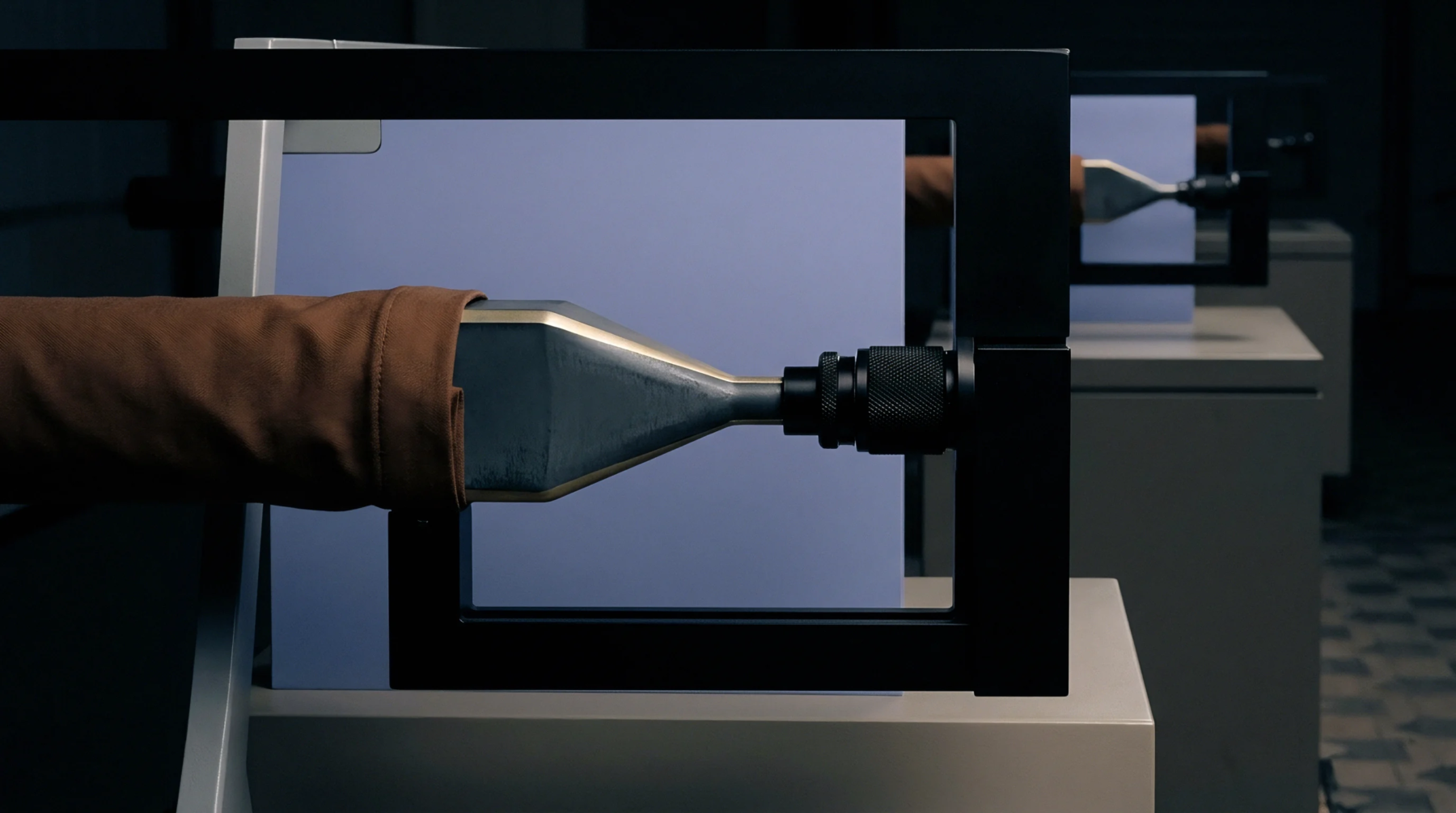
Propagation velocity governs acoustic tunneling during ultrasonic wire bonding phases on aluminium interconnect structures. Ultrasonic energy couples through the wedge tool into the wire loop, where high frequency oscillations shear the oxide layer on the bond pad. Friction generates localized interfacial heat, which softens the metal and drives solid state diffusion across the interface.
This energy transfer operates below the melting point of the materials. Boundary conditions apply strictly when the loop geometry exceeds the resonant wavelength of the transducer stack, causing standing wave reflections that disrupt interfacial scrub.
Shear Boundary
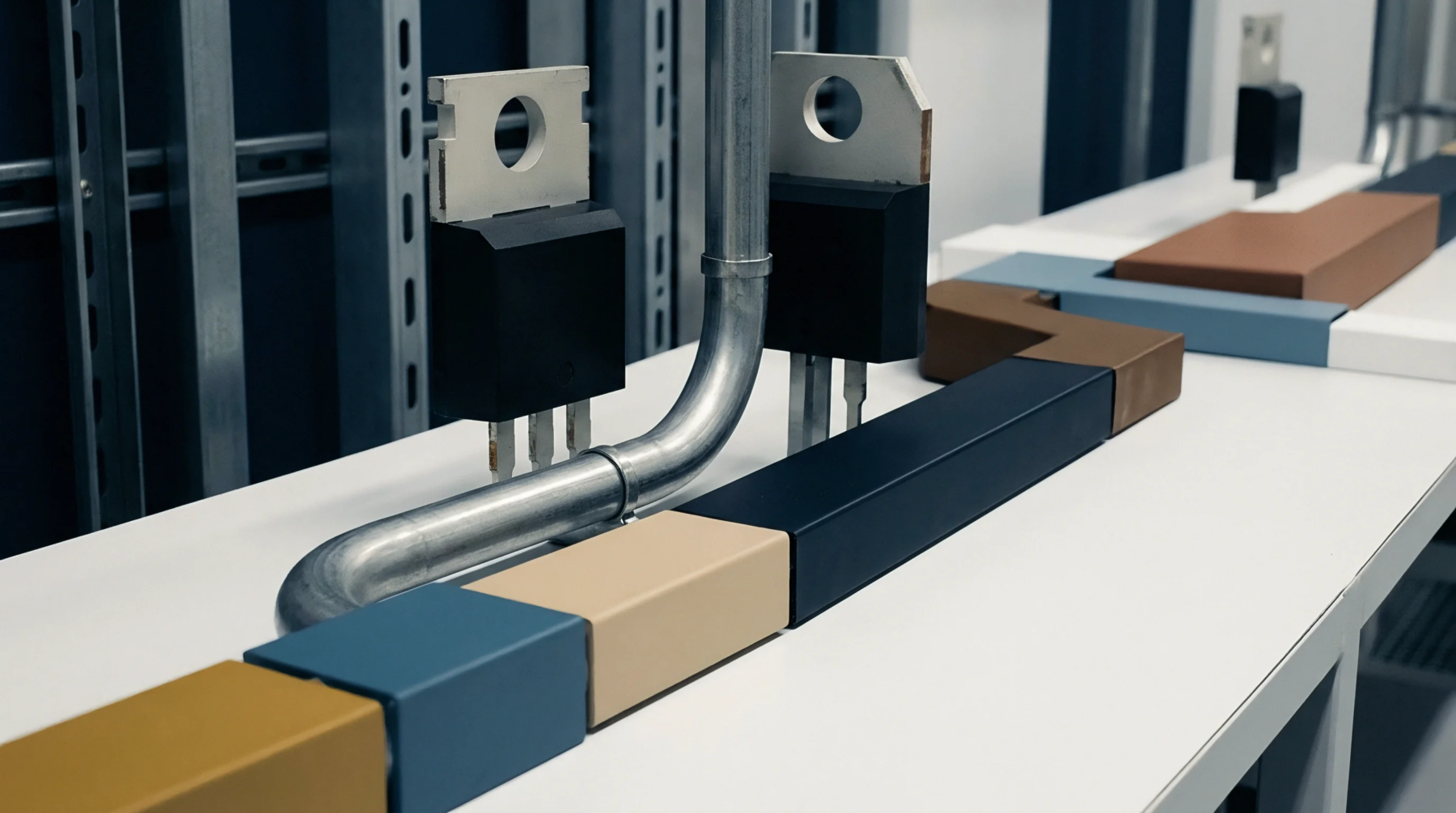
Transducer displacement amplitude controls acoustic tunneling efficiency during the scrub cycle on power semiconductor modules. Real time laser Doppler vibrometry measures the particle velocity at the tool tip to confirm proper energy delivery into the metallization stack. Low amplitude outputs leave residual intermetallic voids, whereas excessive energy induces microcracking in the underlying silicon die.
Shear testing on destructive pull coupons verifies bond strength after the thermosonic process completes.
Metallurgical Interface
Intermetallic compound growth characterizes acoustic tunneling outcomes within heavy wire bonds on direct bonded copper substrates. Metallographic cross sectioning reveals the thickness of the silver or copper aluminum alloy layer formed during ultrasonic scrubbing. Bond integrity depends on continuous grain growth across the boundary without micro voids or cratering defects in the substrate.
Scanning acoustic microscopy detects subsurface delamination without destroying the manufactured circuit assembly.