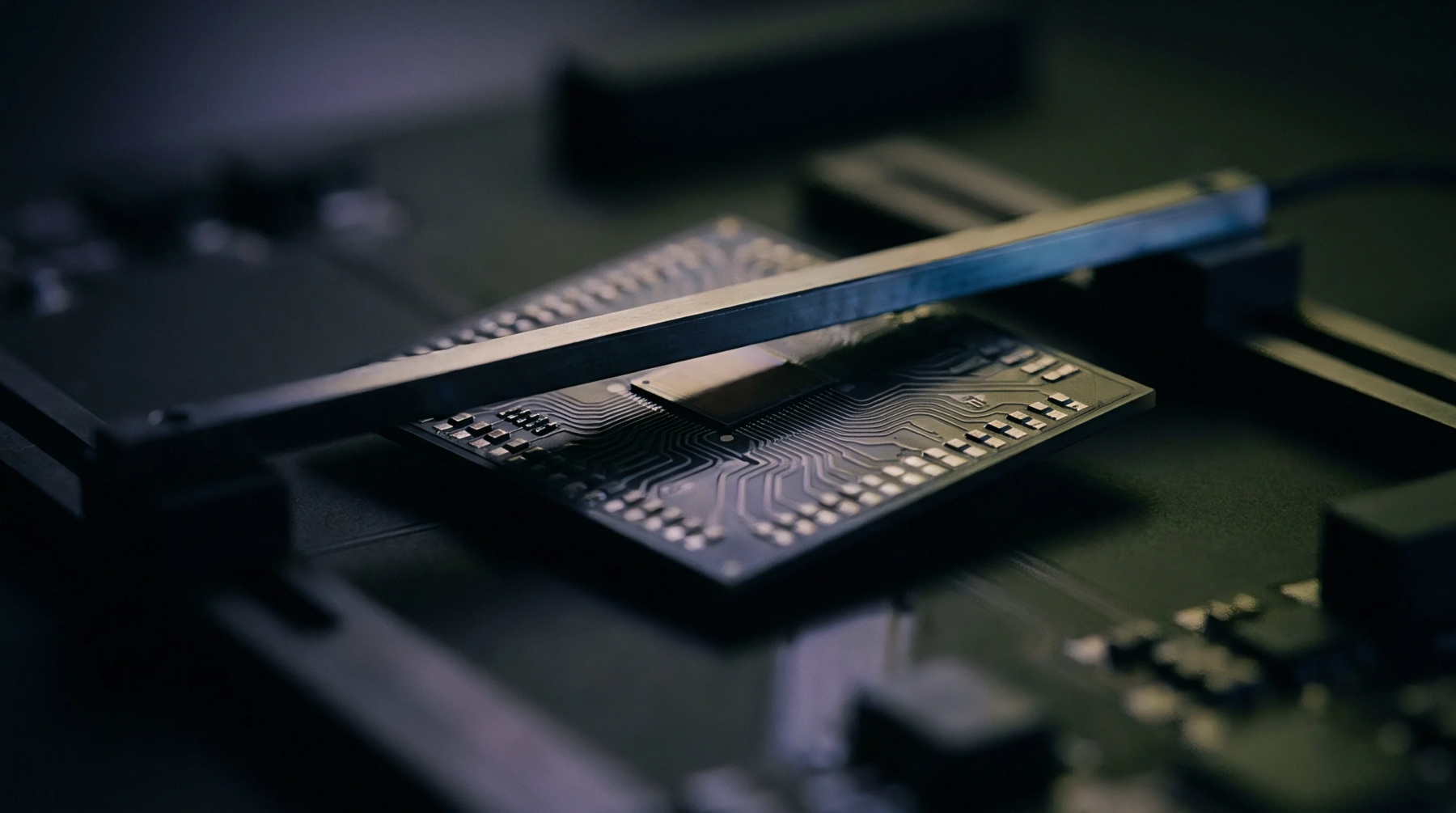
Visual Verification
Machine vision hardware scans assembled printed circuit boards to detect assembly errors by comparing images of populated components against a reference model of a gold master assembly. Automated optical inspection system equipment identifies missing parts, incorrect polarity, solder bridges, and lifted leads through these image subtraction algorithms. This technology operates after the reflow soldering stage to identify defective units before those products reach functional test stations.
Light sources project varying angles across the board surface to highlight specific solder fillets or component shadows. Cameras capture these reflections and transmit digitized files to the internal processing unit. Complex mathematical models transform the pixel data into binary states of pass or fail for every component on the board.
Operational Boundaries
Geometric tolerances define the sensitivity of these optical tools during production runs. Resolution limits constrain the minimum component size that the hardware identifies with acceptable repeatability. Smaller packages demand higher pixel density and more precise lighting control to distinguish between a functional joint and a cold solder connection.
False calls occur when the system interprets normal board coloration or subtle solder texture as a physical defect. Fine tuning the software parameters reduces these incorrect rejections while maintaining the detection of actual faults.
Manufacturing Integration
Production lines utilize these systems to provide immediate feedback on the stability of screen printing and component placement machines. Real time monitoring of the assembly process allows engineers to detect drift in stencil alignment or pick and place accuracy. Detecting errors early in the cycle avoids the higher labor costs associated with removing components from completed modules.
Consistent inspection records build a history of process capability for every design revision. Stable results from the inspection phase provide proof that the assembly method conforms to design specifications.