Wall Leaching
Liquid-metal scavenging describes the progressive loss of electrodeposited plating from plated through-hole walls into molten solder baths during thermal assembly. Elevated solder pot temperatures accelerate barrel copper dissolution, eroding the copper sleeve inside drilled holes. Minimum acceptance criteria mandate twenty micrometres of remaining copper thickness.
When dissolution breaches this threshold, barrel copper dissolution breaks contractual conformance.
Liquidus Residence
Molten lead-free alloys hold high chemical affinity for pure copper, drawing solid copper atoms directly into the liquid phase through liquid-metal dissolution. Extended dwell times during selective soldering or palletized wave assembly intensify barrel copper dissolution beyond acceptable design allowances. Thermal profiles requiring preheat plateaus above one hundred and ten degrees Celsius often culminate in liquid contact times exceeding four seconds per joint.
Dynamic solder pumping constantly sweeps the boundary layer away from the hole wall, replenishing tin concentration gradients at the solid-liquid interface. Wave soldering pallets with open apertures permit molten alloy flushing that strips barrel plating along high-velocity fluid paths. Preceding surface mount reflow cycles deposit brittle copper-tin intermetallic layers that dissolve rapidly when exposed to secondary liquid solder waves.
Solder pots saturated with copper above one percent experience diminished leaching rates at the cost of sluggish joint wetting.
Microsection Acceptance
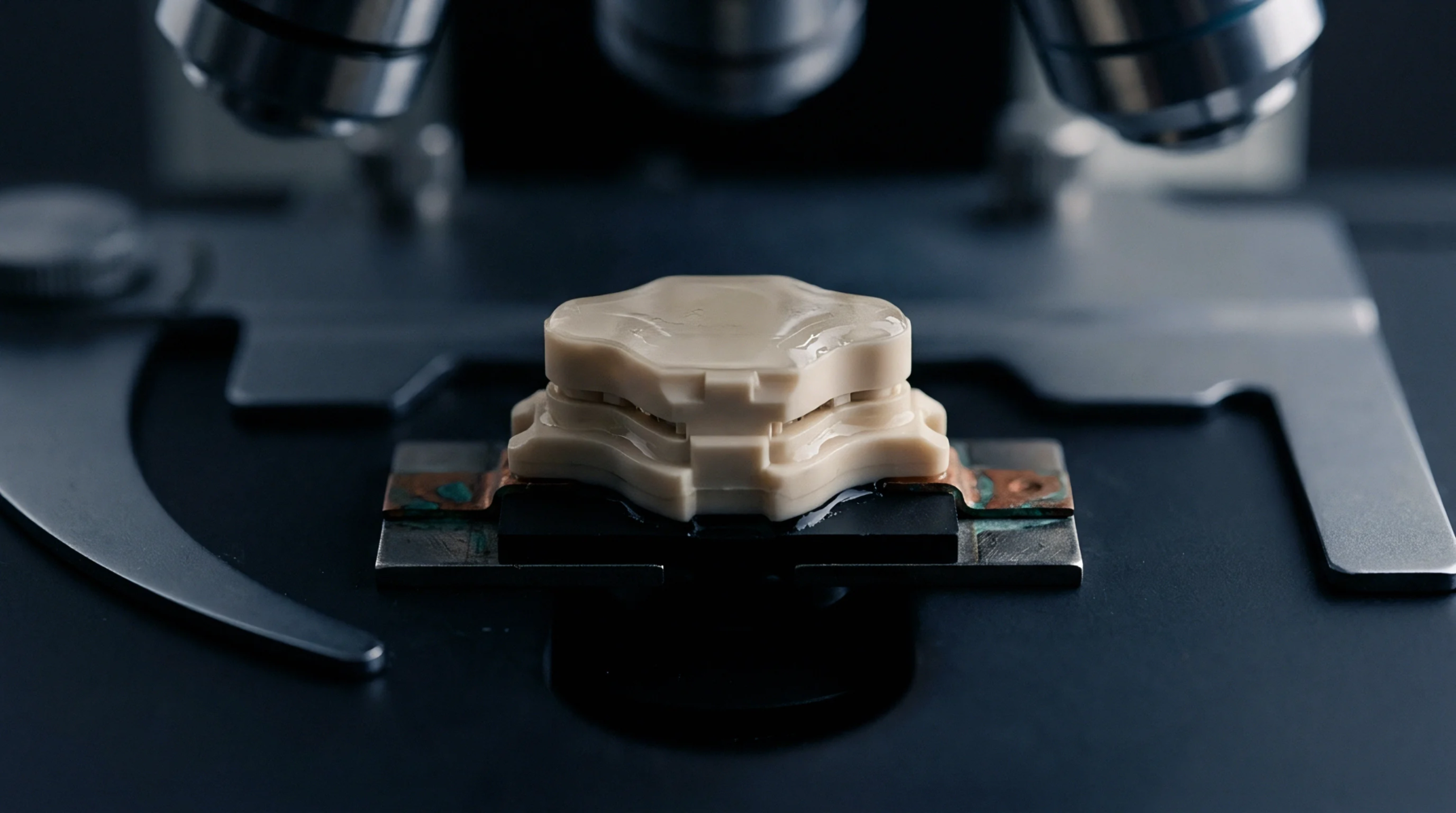
Destructive metallographic cross-sectioning provides the verification technique for detecting eroded copper sleeves after thermal assembly. Microsection mounts cut along the vertical centerline of suspect through-holes reveal whether barrel copper dissolution has violated the minimum circumferential plating thickness required by IPC-A-610. Automated solder pots require periodic atomic absorption spectrometry or optical emission checks to verify trace copper percentages in bulk pots.
Barrel copper dissolution remains an irreversible assembly defect that scrap dispositioning or strict process redesign must resolve.