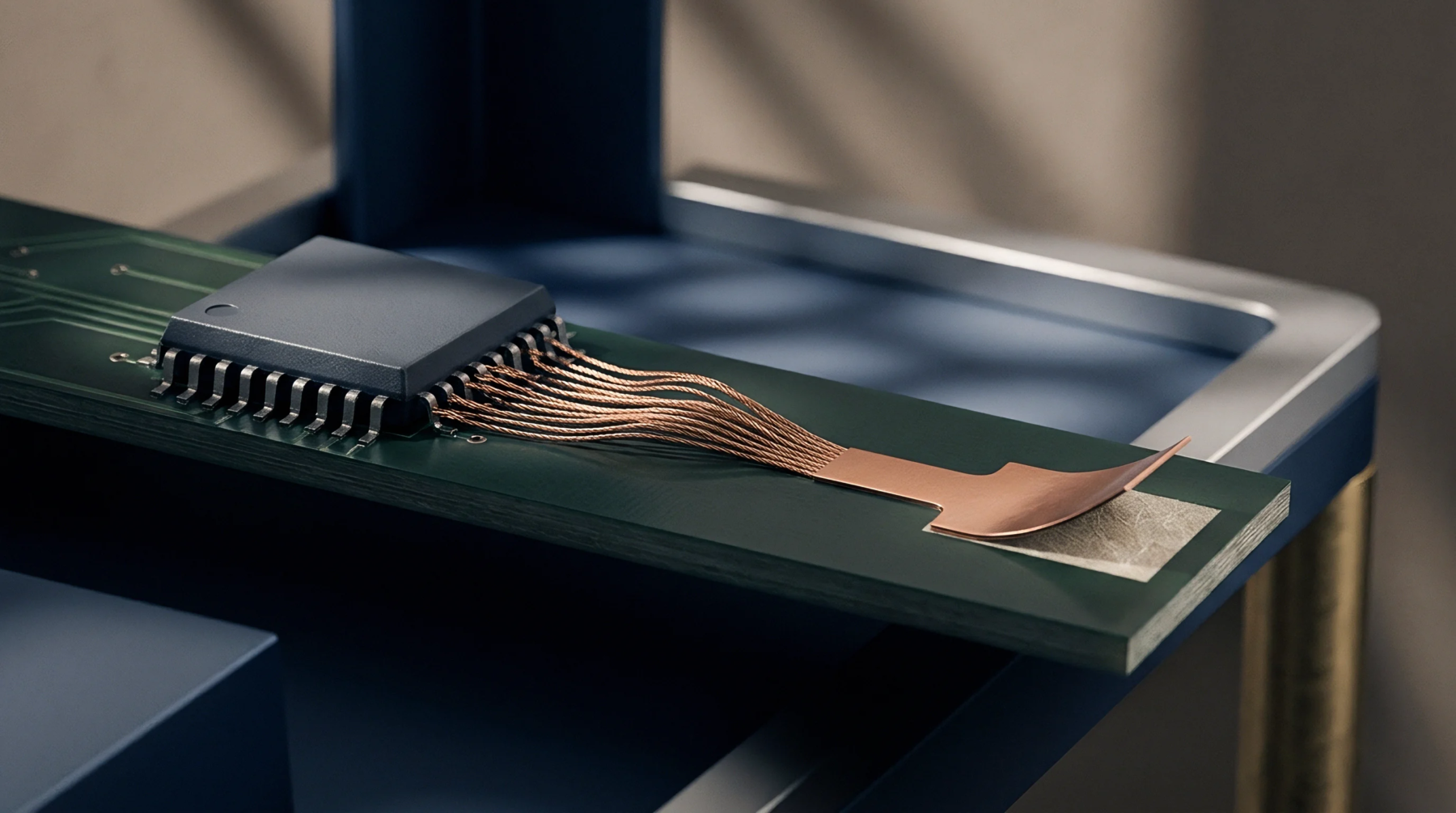
Thermal Boundary
A thermal processing window defines the permissible heating limits applied to the non-component side of a circuit board during wave or selective soldering. The bottom side preheat envelope establishes the temperatures required to activate flux chemistry. It prevents unevaporated solvents from causing solder spattering.
Equipment Optimization
Forced convection and ceramic heaters deliver the thermal energy necessary to maintain this heat distribution across varying board masses. Boards with thick internal copper planes require longer exposure times to reach the required preheat zone. Technicians measure these temperatures using surface-attached thermocouples that track the assembly during preheating.
These readings help establish a profile that balances heat delivery across both thick and thin board regions. Modern selective soldering machines adjust the dwell time of individual preheat zones to accommodate these board differences.
Defect Prevention
Inadequate thermal preparation results in poor hole-fill and excessive solder balling. When the underside of the assembly fails to reach the specified temperature, the solder wave loses heat too quickly upon contact, which prevents the liquid metal from rising fully through plated through-holes. This shortfall directly impacts joint reliability.
Properly managed bottom side preheat envelope profiles ensure complete volatile drive-off and reduce solder joint defects during high-volume production.