Radiated Measurement
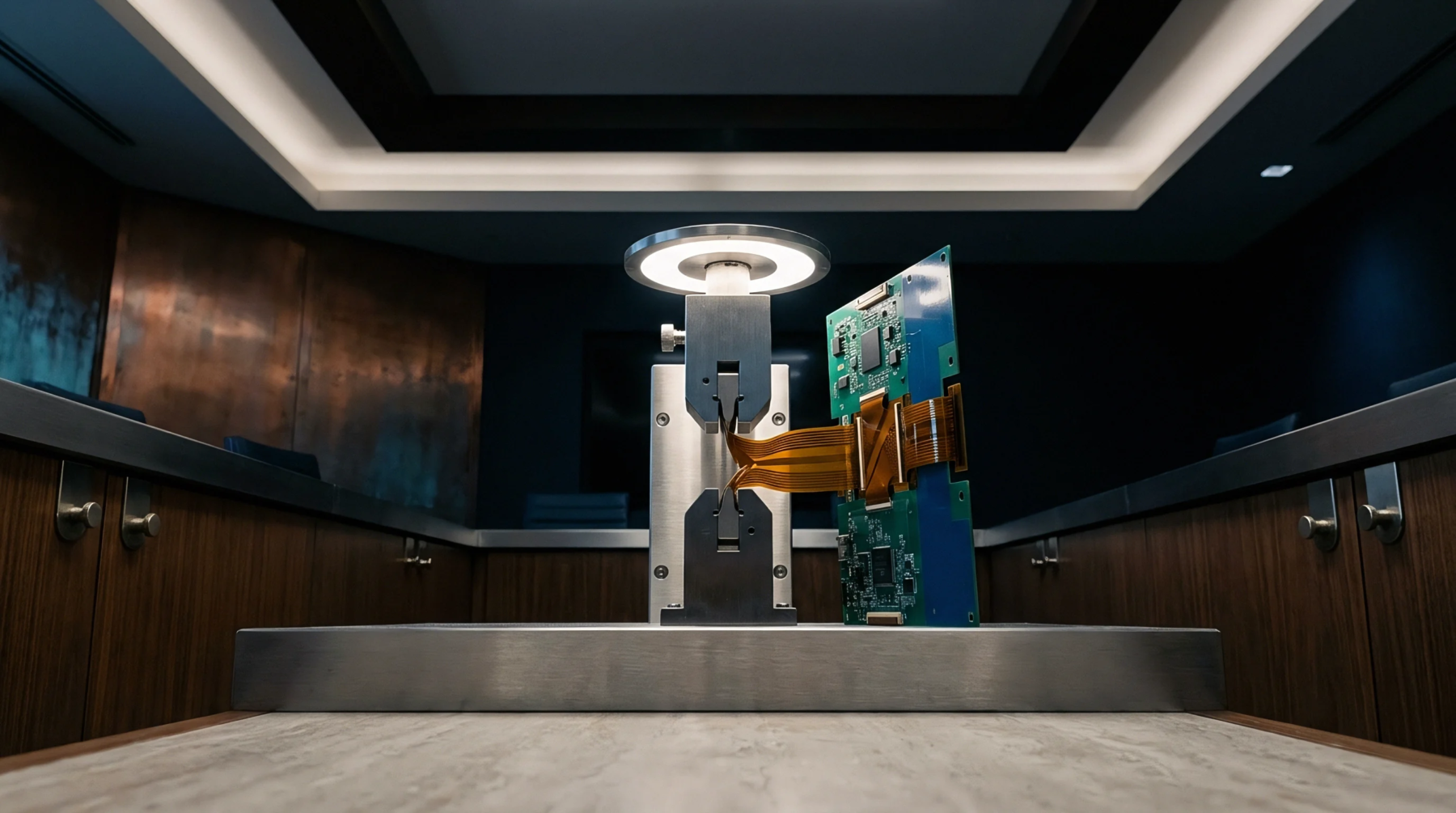
High frequency electromagnetic energy escape dictates regulatory limits during printed circuit board assembly qualification runs. Commercial electronics manufacturers evaluate CISPR 32 emissions inside semi anechoic chambers using rotating turntables and antenna masts. Frequency sweeps span from thirty megahertz up to six gigahertz for standard multimedia equipment classifications.
Broadband noise generators create reference fields to verify spectrum analyzer calibration prior to operational testing. Receiver bandwidth filters match specific standard definitions to capture accurate quasi peak or average detector values. Peak detector traces highlight transient switching spikes originating from high speed digital clock routing paths.
Average detector measurements confirm steady state compliance for continuous high frequency oscillators and power supply switching nodes.
Board Layout
Parasitic capacitance between internal ground planes and signal traces directly increases high frequency current loop areas. Surface mount device decoupling capacitor placement requires minimum trace lengths to suppress unintentional radio frequency radiation paths. Multi layer circuit designs contain complete image planes directly underneath high speed differential signal routing channels.
Shielded enclosures require continuous gasket compression along metal chassis seams to prevent signal leakage gaps. Board level filtering components absorb common mode noise before currents reach external cable wire harnesses.
Compliance Verification
Production line audit samples undergo final testing to guarantee manufactured hardware matches initial regulatory submission models. Unsuppressed radio frequency energy disrupts nearby telecommunication receivers during normal operating conditions. Regulatory authorities enforce mandatory market withdrawal for commercial products failing standard laboratory electromagnetic compatibility evaluations.
Component substitution during volume manufacturing alters parasitic inductance values and invalidates previous emission test results. Proper chassis grounding techniques dissipate residual electrostatic charges and reduce overall radiated field strengths.