Structural Definition
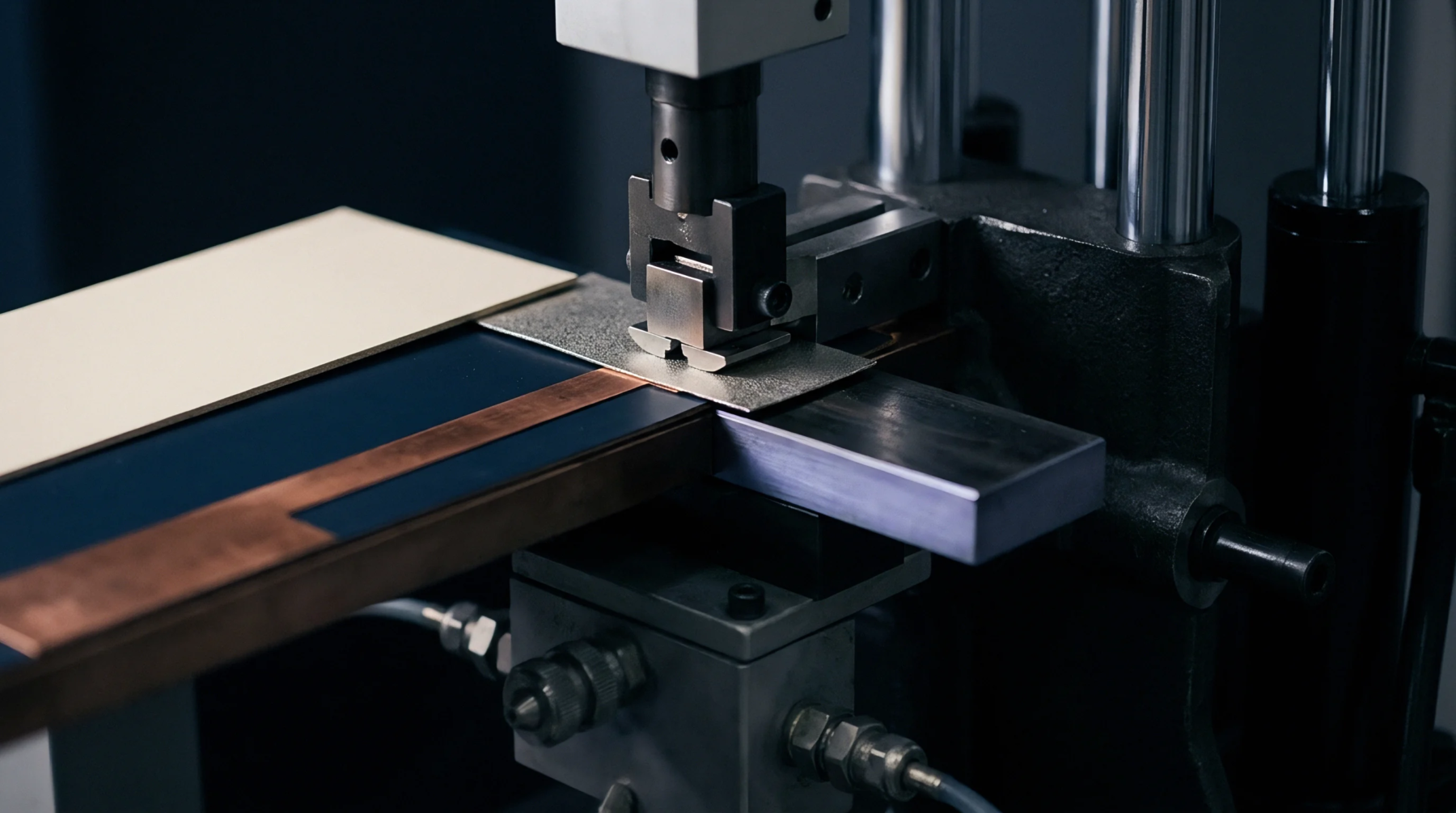
Fully cured dielectric sheets clad with copper foil function as the primary structural spine inside multilayer printed circuit boards. Known in fabrication as core laminate, this pre-cured composite substrate provides mechanical rigidity and baseline signal paths before buildup lamination occurs. Fabricators etch inner circuit patterns directly onto the outer copper faces of this rigid sheet.
Fabrication Behavior
Multilayer circuit construction relies on alternating prepreg bonding layers and rigid core laminate panels during stackup assembly. Unlike semi-cured prepreg sheets that melt and flow under lamination pressure, the core dielectric maintains fixed thickness and glass transition temperature characteristics throughout thermal press cycles. Foil thickness options range from ultra-thin five-micrometer copper to heavy power-ground foils exceeding seventy micrometers.
Dielectric spacing within the core dictates characteristic trace impedance, baseline capacitance and signal velocity across internal interconnect paths. Thermal stress testing validates resin retention and glass weave alignment after multiple high-temperature soldering exposures. Internal stress release within the substrate prevents bow and twist distortion across large panel formats.
Inspection Criterion
Verification of core laminate quality requires cross-sectional microsection analysis after etch processing. Automated optical inspection equipment scans etched inner layer copper traces for pinholes and trace width variations. Dielectric breakdown testing measures the maximum voltage gradient the cured composite survives before electrical punch-through occurs.
Dimensional stability measurements record thermal shrinkage along X and Y axes after copper removal. Acceptance criteria enforce strict limits on resin recession, micro-cracking and laminate delamination under IPC-4101 specifications.