Verification Procedure
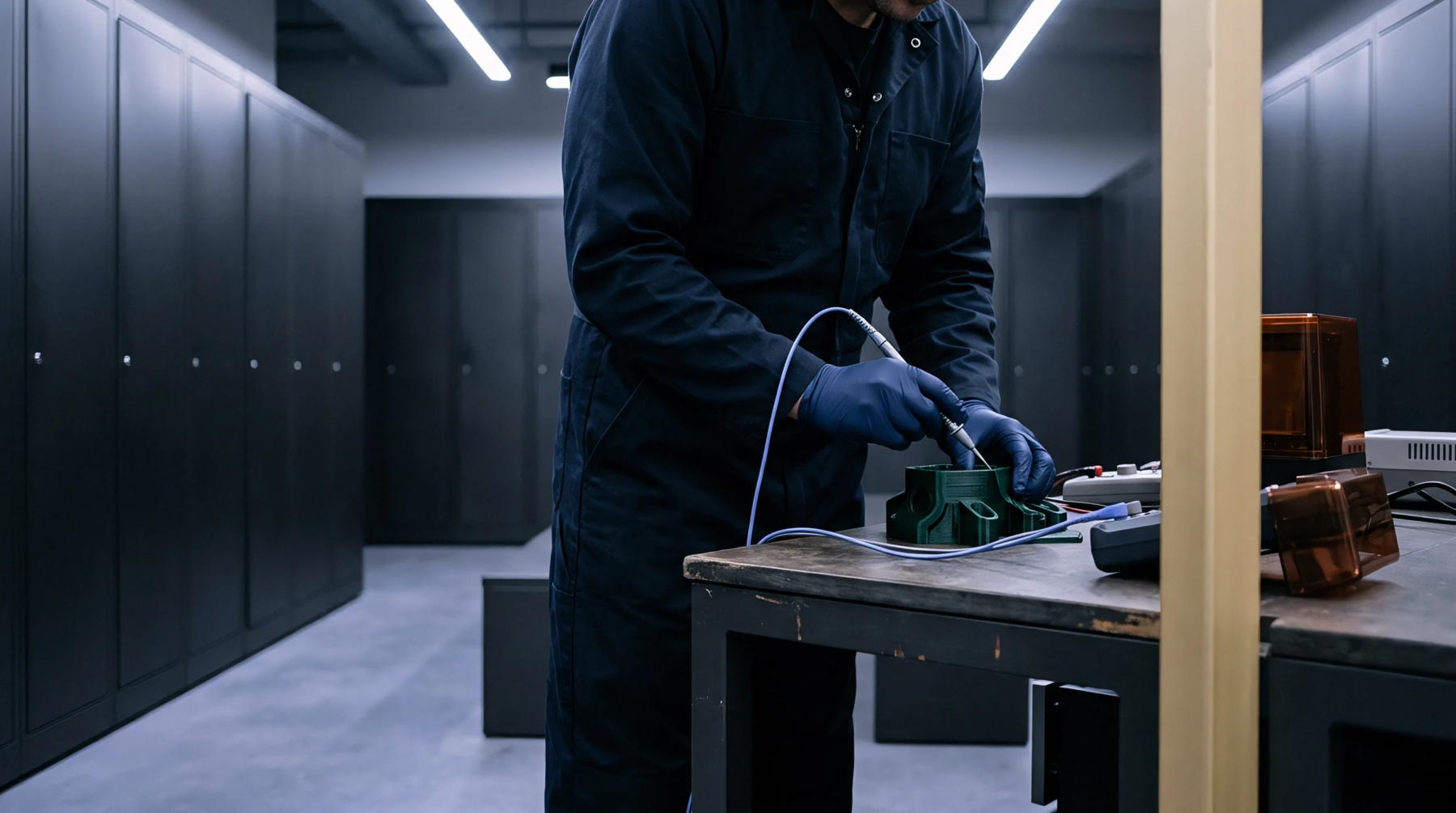
Redundant evaluation of a failed component or assembly provides a method for verifying the accuracy of initial test results. Performing counter-testing involves using a manual machine or a manual technician to check a board that an automated system flagged as defective. Procedures of this type aim to separate actual faults from false calls that occur during high-speed production.
Dispute Resolution
Disagreements between automated optical inspection and human review require a structured path to a final decision. The procedure for counter-testing mandates that the second test use a method with equal or higher sensitivity than the first. If the second test finds no defect, the board may move to a third level of inspection for final arbitration.
Acceptance Boundary
Consistency between test stages determines the overall reliability of the quality control system. A high volume of boards requiring counter-testing indicates that the primary test parameters are too tight or the lighting conditions are unstable. Statistical analysis of these secondary results helps engineers tune the primary inspection thresholds.
By tracking the outcome of every second-pass review, a facility identifies specific component types that consistently trigger false alarms. This data loop ensures that the cost of manual review does not exceed the value of the recovered yields.