Thermal Profile
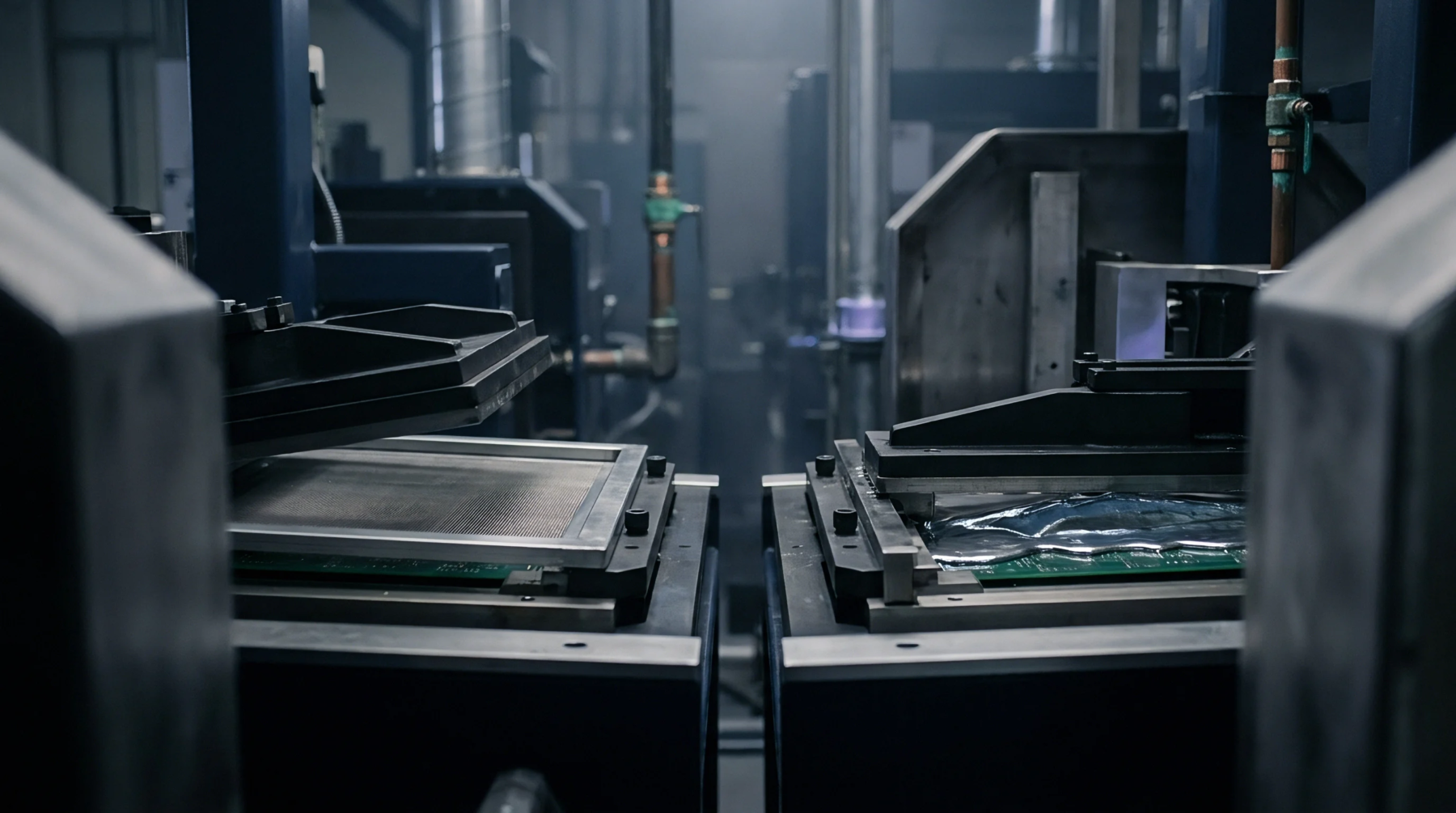
A secondary substrate sample represents a material subset cut from a larger production panel to monitor heat distribution during reflow soldering. This coupon b mimics the copper weight and layer count of the final printed circuit board. Technicians place thermocouples onto this specific structure to map the temperature gradient across the assembly surface.
Controlled environmental conditions within the oven dictate the reliability of these measurements. Manufacturers utilize the data to adjust conveyor speeds or heating zones for optimal solder joint formation.
Solder Integrity
Testing protocols designate this piece of material as the primary vehicle for destructive analysis. By subjecting the coupon b to shear force or cross sectional microscopic inspection, laboratories verify the intermetallic compound thickness within the solder joint. High energy thermal cycling often precedes this inspection to simulate the stresses of a functional lifecycle.
Proper alloy wetting and the absence of voids confirm that the manufacturing line operates within specified tolerance windows.
Material Validation
Procurement departments require this specific specimen to confirm that laminate materials meet the glass transition temperature specifications set by the design. Integrating a coupon b into the manufacturing process provides an audit trail for the chemical composition of the board stackup. Quality auditors compare the expansion characteristics of the laminate against industry standards to prevent layer delamination or via cracking.
Statistical consistency across multiple production runs validates the stability of the entire fabrication process.