Thermal Separation
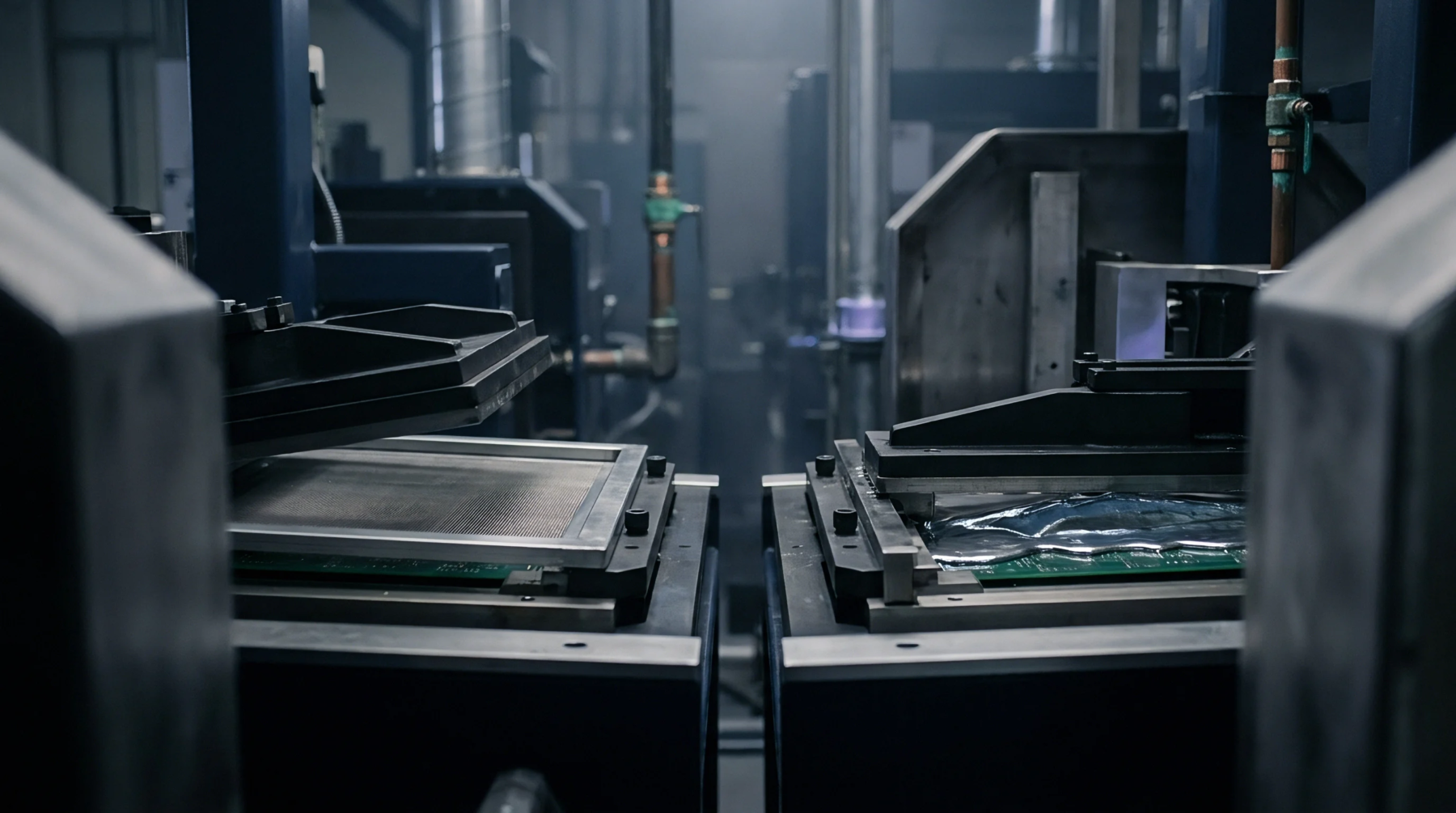
Laminate coupons serve as sacrificial test vehicles placed on the edges of printed circuit board panels to monitor the integrity of plated through holes during thermal stress events. The coupon e provides a specific geometry that isolates drill registration and copper ductility from the complexities of the actual functional design. Technicians subject these samples to repeated immersion in molten solder or forced convection reflow cycles to simulate the rigors of assembly.
Failure in this material indicates potential latent defects in the primary board assembly that remain hidden during standard visual inspection.
Registration Accuracy
Pattern shifts within the coupon e reveal inconsistencies in the drilling process across the larger panel area. Alignment targets etched into the outer layers allow for the calculation of misregistration between the internal copper features and the subsequent drill holes. Measurements taken with an optical comparator determine whether the deviation exceeds the tolerance defined for the specific stackup.
Such monitoring ensures that the interconnection between layers remains within the conductive pad areas rather than drifting toward the dielectric boundaries.
Ductility Verification
Tensile testing of the copper barrels extracted from the coupon e assesses the ability of the metal to withstand thermal expansion without fracturing. Laboratory staff section these barrels through the center to view the grain structure and plating thickness under high magnification. Observations of crack formation after the application of extreme heat verify that the electroplating bath maintains the correct chemical ratios for structural reliability.
This measurement confirms the chemical health of the processing line independently of the component population density.