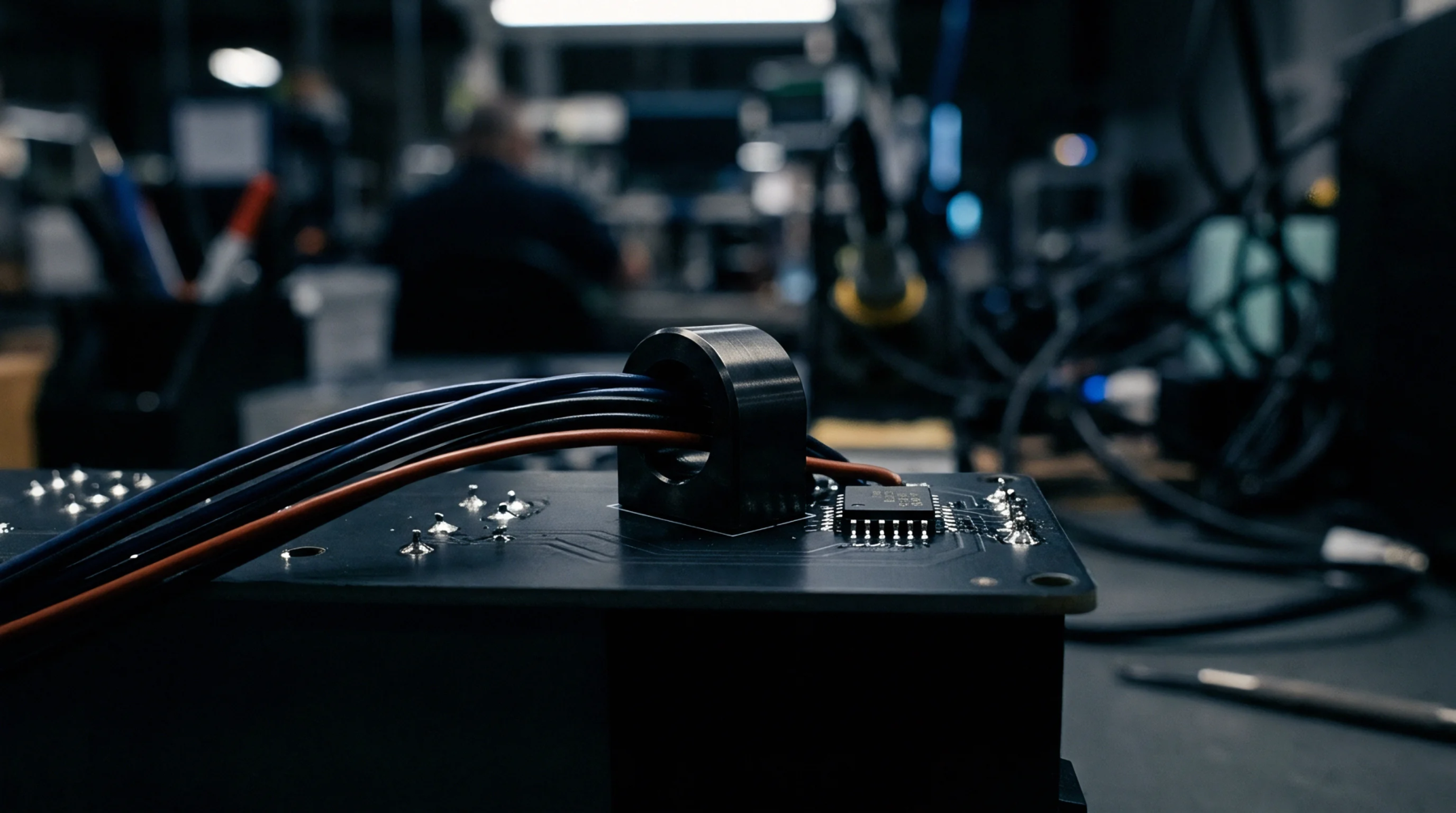
Fracture Progression
The physical extension of structural microfissures across solder joints or dielectric laminates advances under cyclic thermo-mechanical stress until electrical discontinuity occurs. Intermetallic compound interfaces inside surface mount solder fillets experience crack propagation when thermal expansion mismatch repeatedly shears joint boundaries during operating duty cycles. Solder alloy fatigue curves dictate the rate at which microscopic voids coalesce into macroscopic separation lines.
Complete electrical severance occurs once fracture across the metal contact pad is total and open-circuit failure locks the circuit into an inoperable state.
Thermal Fatigue
Coefficient of thermal expansion mismatches between silicon packages and organic circuit board substrates induce constant shear strain during ambient temperature cycling. Solder joints located beneath the furthest perimeter of ball grid array packages bear the greatest strain energy per thermal cycle. Microvoids within the bulk solder or along the brittle nickel-tin intermetallic layer grow incrementally with each temperature swing.
Lead-free alloys such as SAC305 exhibit higher elastic modulus than legacy tin-lead blends, transmitting more strain directly to the package interface. Dye-and-pry testing and cross-sectional metallographic polishing detect the depth of cracked ligaments beneath suspected components. Microscopic shear bands localize plastic deformation, cutting through solder grains along recrystallization boundaries until the remaining cross section fails to support electrical current.
Mechanical Shock
Rapid board deflection during in-circuit fixture testing or depaneling shearing operations initiates fast brittle fractures through board pads. Pad cratering separates copper anchor lands from underlying resin fiberglass weaves before ductile solder tearing can occur.