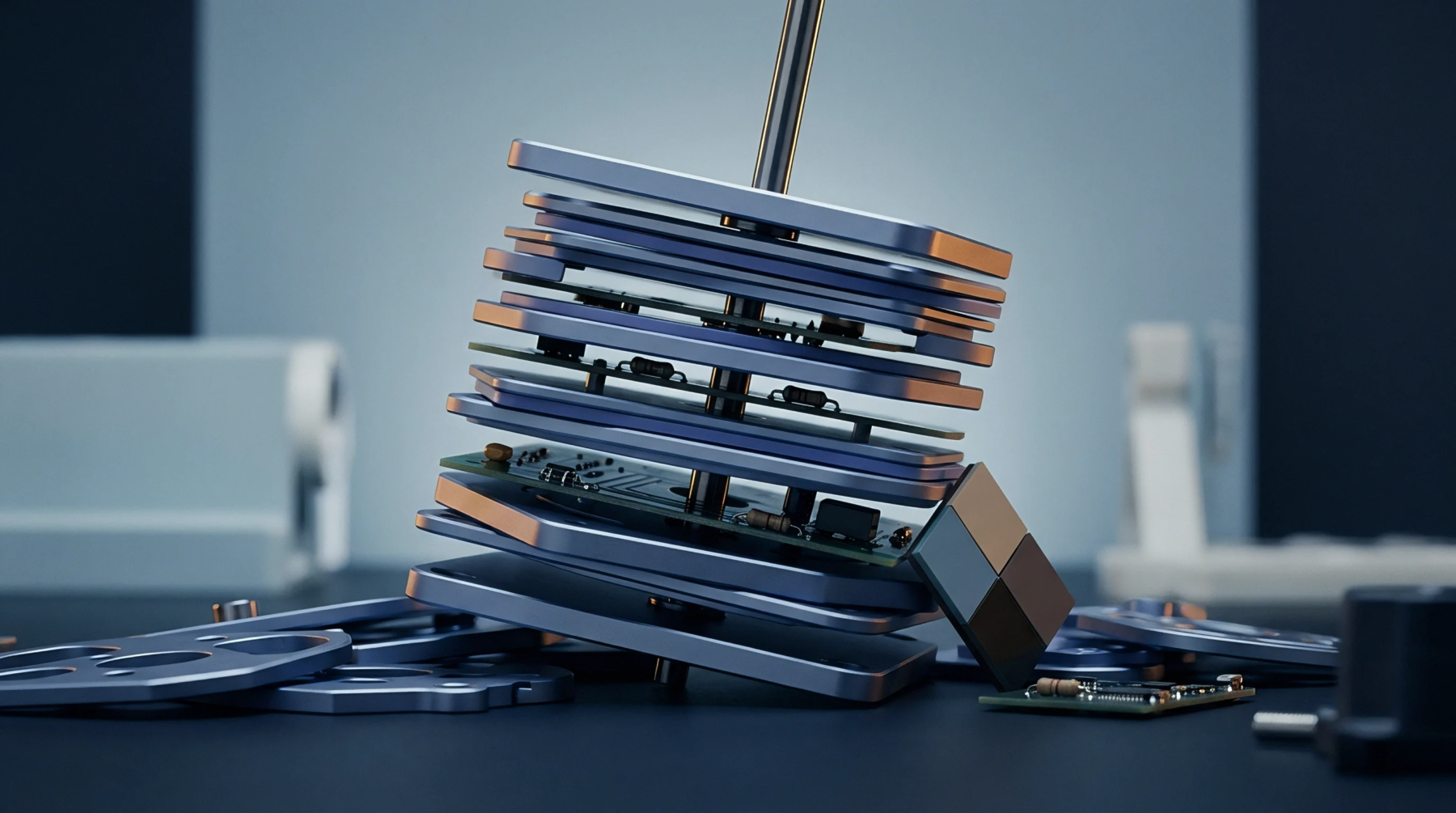
Diffusion Behavior
Rate at which absorbed moisture or volatile contaminants exit a solid substrate governs the stability of electronics during high temperature exposure. The study of desorption kinetics allows engineers to determine the exact baking time required to dry boards before assembly. Molecular bonds between water and the epoxy matrix must be broken by thermal energy to initiate the release.
Drying takes time.
Thermal Acceleration
Increasing the temperature of the environment speeds up the movement of molecules within the dielectric material. As desorption kinetics improve, the risk of internal pressure buildup during reflow decreases. Moisture that stays trapped inside the board can turn into steam instantly, leading to catastrophic blistering.
A controlled bake cycle uses these principles to reach a safe moisture level without oxidizing the surface finishes. Effective profiles prevent delamination.
Concentration Gradient
Transport of vapors depends on the difference in partial pressure between the board interior and the surrounding atmosphere. If the air in the oven becomes saturated, the desorption kinetics slow down regardless of the temperature. Dry nitrogen environments or vacuum chambers are frequently used to maintain a steep gradient.
Effective removal of volatiles ensures that the final product does not suffer from late stage outgassing during field operation. Vapors must escape.